

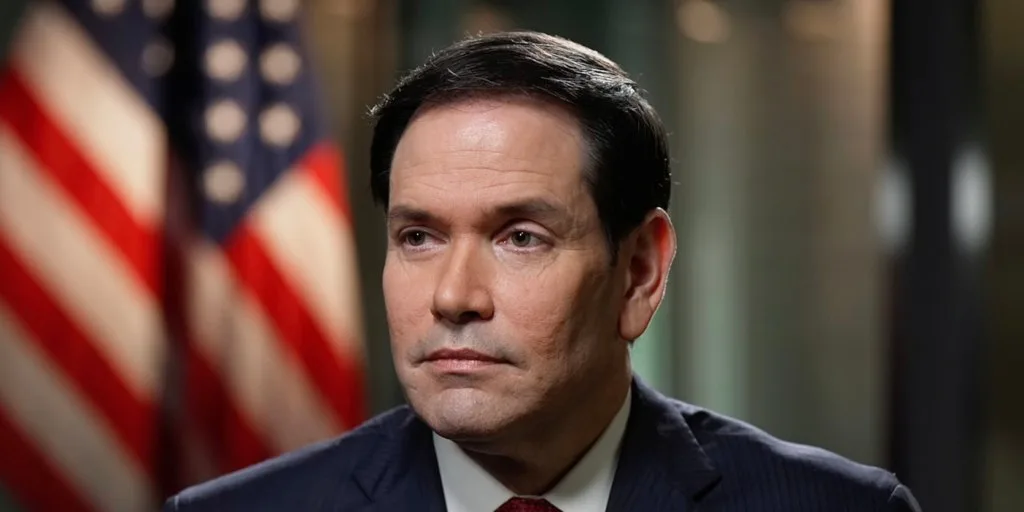
The United States and China have reached a rare consensus on the status of the Strait of Hormuz, agreeing that the strategic waterway must remain free from militarization. This alignment emerged during a recent summit in Beijing where President Donald Trump met with Chinese President Xi Jinping for extensive talks on global tensions, including the ongoing Iran conflict.
US Secretary of State Marco Rubio revealed that while Trump and Xi discussed multiple contentious issues, including Taiwan and the imprisonment of Hong Kong pro-democracy publisher Jimmy Lai, the two powers found common ground on Iran. China reaffirmed its opposition to Iran acquiring nuclear weapons and expressed disapproval of efforts to militarize the crucial shipping lane.

The Strait of Hormuz is a vital passage for the world’s energy supplies, and its potential blockade by Iran has intensified global economic concerns by disrupting oil shipments and pushing up gas prices. Despite this, Rubio emphasized that the US did not request direct assistance from China to resolve the standoff, underscoring America's position of self-reliance in addressing the crisis.
China has maintained close relations with Iran and has previously criticized US and Israeli military actions in the region, advocating instead for diplomatic solutions. Although the war in Iran delayed President Trump’s visit by several weeks, dialogue between the two world powers continues to focus on de-escalating tensions and preventing further conflict escalation.
In addition to Iran, discussions also touched on Beijing’s claims over Taiwan and human rights issues, notably the long prison sentence handed to Jimmy Lai in a high-profile national security case. Rubio’s presence in Beijing marked a diplomatic milestone since he remains under Chinese sanctions for his prior criticisms of China’s human rights record, though these did not prevent him from traveling in his current role as secretary of state.