

The U.S. government has effectively ended its long-running criminal case against Turkey’s state-owned Halkbank, which was accused of aiding Iran in evading American sanctions through a complex multi-billion-dollar money laundering scheme. This resolution came in the form of a deferred prosecution agreement (DPA) that imposes no fines and requires no admission of guilt.
Last week, Judge Richard Berman of the U.S. District Court for the Southern District of New York approved the deal, concluding nearly seven years of litigation. Halkbank, formally known as Turkiye Halk Bankası A.S., had faced potential penalties amounting to hundreds of millions or even billions of dollars if convicted for its alleged role in creating a secret slush fund exceeding $20 billion to circumvent U.S. sanctions between 2012 and 2016.

The decision, encouraged by the Trump administration, has provoked strong opposition from more than a thousand victims and family members of Iranian terrorism, including survivors and relatives of 9/11. These plaintiffs have outstanding federal court judgments totaling over $10 billion against Iran, which they hoped to satisfy through potential fines from Halkbank’s prosecution.
Legal representatives for the victims, from the firm Gibson Dunn, submitted a detailed six-page letter under the Crime Victims’ Rights Act (CVRA), denouncing the government’s failure to inform or consult them regarding the plea negotiations. They argued that Halkbank’s alleged fraud directly obstructed their ability to collect compensation while enabling Iran to exploit U.S. financial markets.
The opposition extends beyond victims’ attorneys. The American Victims of State-Sponsored Terrorism United group formally objected to the agreement, emphasizing the impact on victims. Additionally, five Democratic U.S. senators have announced plans to investigate whether Justice Department officials faced political pressure—specifically from the Trump administration—to settle the case leniently.
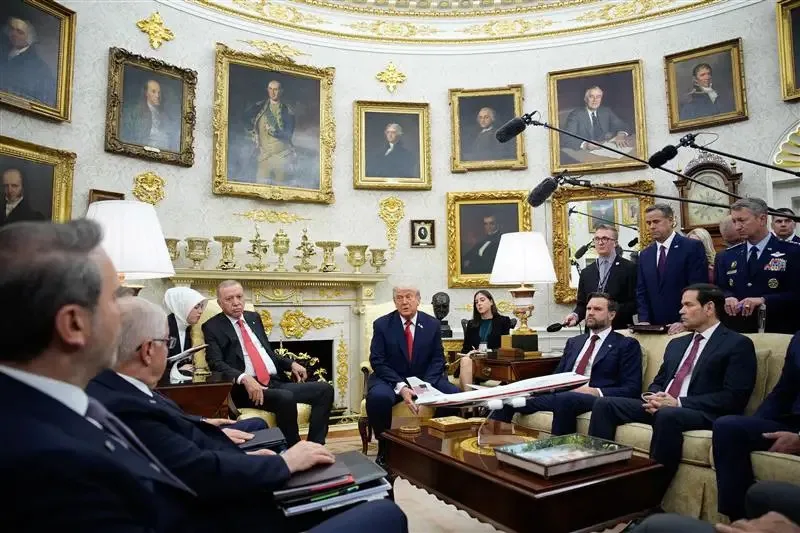
The controversy intensifies against the backdrop of President Trump’s direct diplomatic engagement with Turkey’s President Recep Tayyip Erdogan and his administration’s military posture toward Iran. Some lawmakers and advocates question the timing and rationale behind dropping the case while citing the ongoing security concerns linked to Iranian state-sponsored terrorism.