

The U.S. Treasury Department has authorized a 60-day license that allows Iran to produce, deliver, and sell its oil, marking a significant policy shift following a recent preliminary agreement between the two countries. This temporary reprieve enables Iran to export oil at global market prices, reversing years of restrictions that forced Tehran to sell at discounted rates due to U.S. sanctions and the risk of U.S. penalties.
This authorization also permits American importers to purchase Iranian crude oil, petrochemical, and petroleum products, while enabling Iran to conduct transactions in U.S. dollars, thus easing its access to international financial markets.

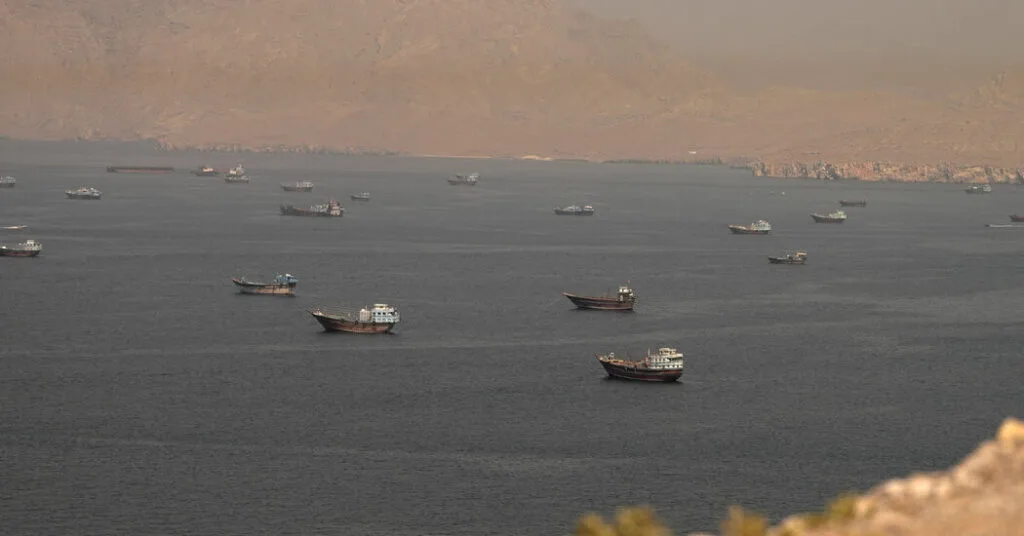
The decision came amid ongoing talks held in Switzerland, where Iran committed to maintaining free and open navigation through the Strait of Hormuz and allowing inspections by the International Atomic Energy Agency (IAEA). The Strait of Hormuz is a strategic waterway through which a significant portion of the world’s oil supply passes. The U.S. viewed Iran’s cooperation there as a key factor in granting this temporary license.
Previously, the Trump administration had imposed stringent sanctions coupled with a military blockade, designed to severely restrict Iranian oil exports and pressure Tehran’s economy. Earlier this year, the U.S. briefly eased sanctions to temper rising global oil prices by increasing crude supplies. This new license, effective until August 21, represents a continuation of that cautious approach.
Before the recent escalation, Iran accounted for less than 5 percent of global oil production, with China as its primary customer. However, Iranian output drastically declined due to the blockade, compounded by the damage to its energy infrastructure from ongoing conflicts. Restarting production and repairing facilities will be critical challenges for Tehran as it seeks to regain its foothold in energy markets.
The renewed sanctions relief has drawn criticism from analysts who argue the U.S. may be offering Iran more generous terms than previous agreements, such as the 2015 Joint Comprehensive Plan of Action (JCPOA). Critics worry that this approach could undermine efforts to curb Iran’s nuclear program and regional influence. However, experts note that sanctions relief under the JCPOA was also phased, becoming effective only after the IAEA verified Iran’s compliance months post-agreement.