

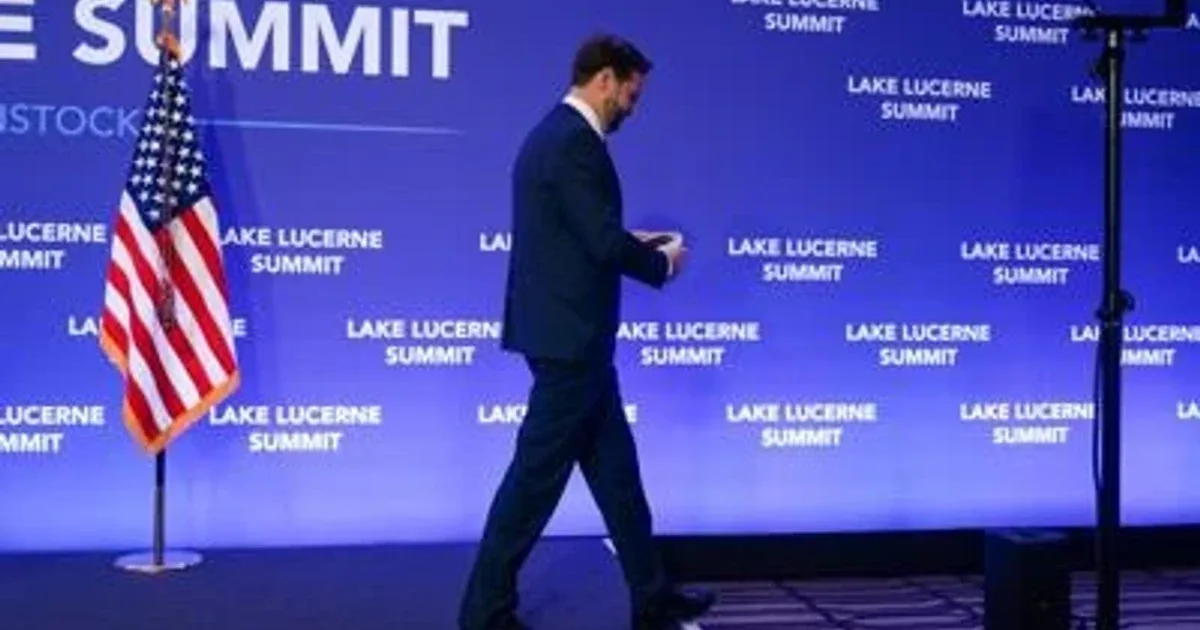
The U.S. Treasury announced a 60-day waiver on Iranian oil sanctions, marking a significant policy reversal as diplomatic talks with Tehran continue in Switzerland. This temporary easing permits the production, delivery, and sale of Iranian crude oil through August, including petroleum and petrochemical products and dollar-denominated trade—restrictions that had been in place for over forty years.
This move reflects a preliminary understanding between the two nations, allowing both sides to test the durability of a potential comprehensive agreement without immediate sanction pressures. Officials characterized the talks as laying a solid foundation, though Iranian authorities maintained they had made no new commitments. The waiver creates a window for negotiations amid lingering distrust, sanctions impacts, and concerns about regional stability.

Against the backdrop of this diplomatic shift, former President Donald Trump traveled to Pennsylvania to reinforce his economic record. At the Mack Trucks plant in Lower Macungie Township, located in the politically pivotal Lehigh Valley region, Trump aimed to redirect public attention from international unrest and the inflationary pressures it has placed on fuel prices. This visit marks his third to Lehigh County since 2024 and is being framed as his first substantive public engagement outside Washington since the announcement of the interim Iran agreement.
The Mack Trucks facility, notable as a site recently toured by a sitting president, serves as a symbolic stage to emphasize manufacturing strength and economic resilience in a key swing state where Trump narrowly won the previous election. Pennsylvania remains central to national electoral strategies, with its industrial base and working-class communities critical to both major parties.
Meanwhile, on the same day the administration eased Iran sanctions, a federal judge blocked six subpoenas issued by the Justice Department aimed at Minnesota officials, including Governor Tim Walz and Minneapolis Mayor Jacob Frey. The subpoenas were part of a probe into alleged obstruction of federal immigration enforcement earlier this year. The judge deemed these subpoenas unlawful, describing them as potential harassment or retaliation. This decision complicates the Justice Department’s efforts to examine local officials' compliance during federal immigration crackdowns.