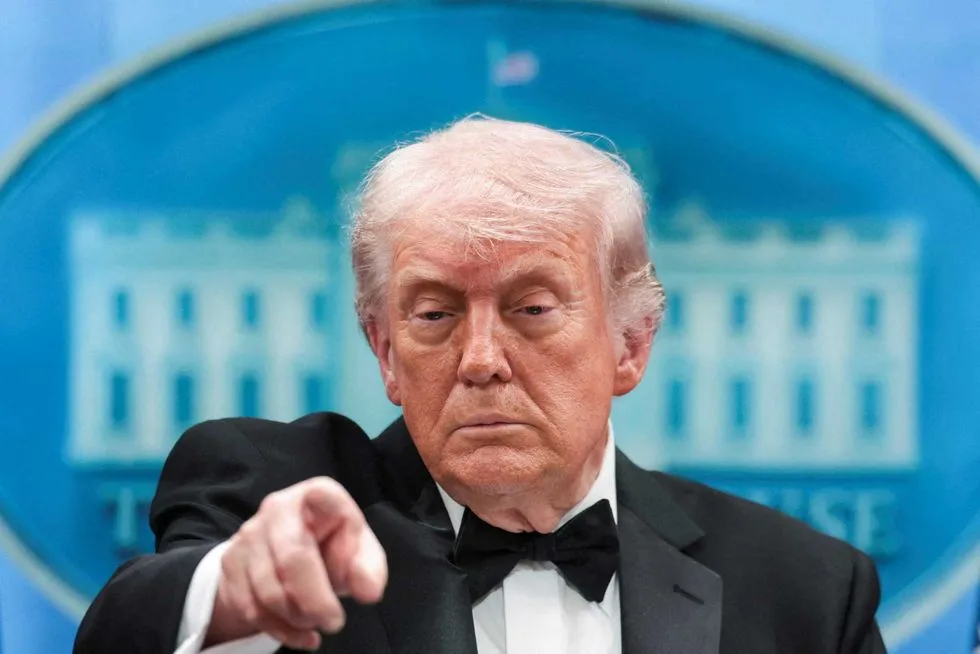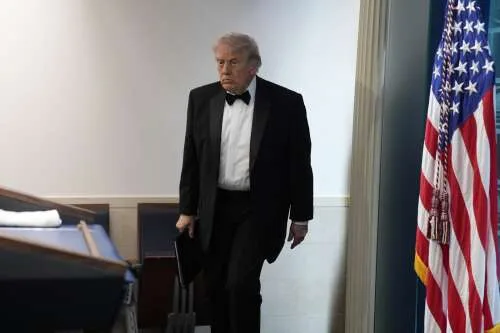
Donald Trump attributed three recent assassination attempts against him to his political prominence, suggesting that high-impact figures inevitably draw violent attention. Speaking after a gunman breached security at the White House Correspondents' Association dinner with what authorities said was intent to kill the president and administration officials, Trump framed the incidents as evidence of his singular influence. "The people that do the most, the people that make the biggest impact, they're the ones that they go after," he said. Yet scholars and historians point to a more complicated picture of what drives political violence in America.
The most significant recent incident—a shooting at a July 2024 campaign rally in Butler, Pennsylvania—underscores this complexity. Thomas Matthew Crooks, a 20-year-old kitchen worker, fired shots that grazed Trump's ear, killed one person in the crowd, and critically injured two others before being shot dead by a Secret Service sniper. Authorities have found no clear motive for the attack. Crooks's online research included both Trump and then-President Joe Biden, as well as both major party conventions, leaving investigators without evidence of partisan ideology or stated purpose.

Matthew Dallek, a political historian at George Washington University, noted that while clear motives remain elusive in some cases, broader forces operate behind politically motivated violence. "It is easier than ever for mentally ill individuals to become radicalized," Dallek said. "When they're radicalized, even if their agenda is not always crystal clear, they usually are responding to ideas and conspiracy theories circulating in the culture."
Trump's allies have attributed all three gun-related incidents to left-wing pathology, citing a document allegedly written by Cole Tomas Allen, 31, before he stormed the correspondents' dinner armed with firearms and knives. The document expressed outrage at Trump's policies without naming him directly. Press Secretary Karoline Leavitt linked such rhetoric to radicalization, saying violent speech must stop. However, Trump himself has spread falsehoods and conspiracy theories about adversaries, including calling them "the enemy from within," and his rhetoric has frequently invoked violence.
Notably absent from administration accounts is acknowledgment that Democratic figures have also faced serious violence. These incidents include the 2022 attack on Paul Pelosi, husband of then-House Speaker Nancy Pelosi; a 2020 plot to kidnap Michigan Governor Gretchen Whitmer; 2025 arson at Pennsylvania Governor Josh Shapiro's mansion; and 2025 killings of Minnesota lawmaker Melissa Hortman and her husband.
Public attitudes toward political violence reveal deep anxiety. An NPR-PBS News-Marist poll found that nearly 3 in 10 adults agreed Americans might need to resort to violence to fix the country—a figure that rose 11 points over 18 months. The Polarization Research Lab, however, found fewer than 1% of Americans deemed partisan murder acceptable. Yet upward of 90% fear political violence, with nearly a third hesitant to display political signs or bumpers stickers due to safety concerns. The climate of violence has created a chilling effect on ordinary political expression across the nation.