U.S. Government Launches $875 Million AI Initiative to Modernize Air Traffic Control
The U.S. Department of Transportation has committed $875 million to develop a SMART AI system aimed at improving air traffic control efficiency and safety.

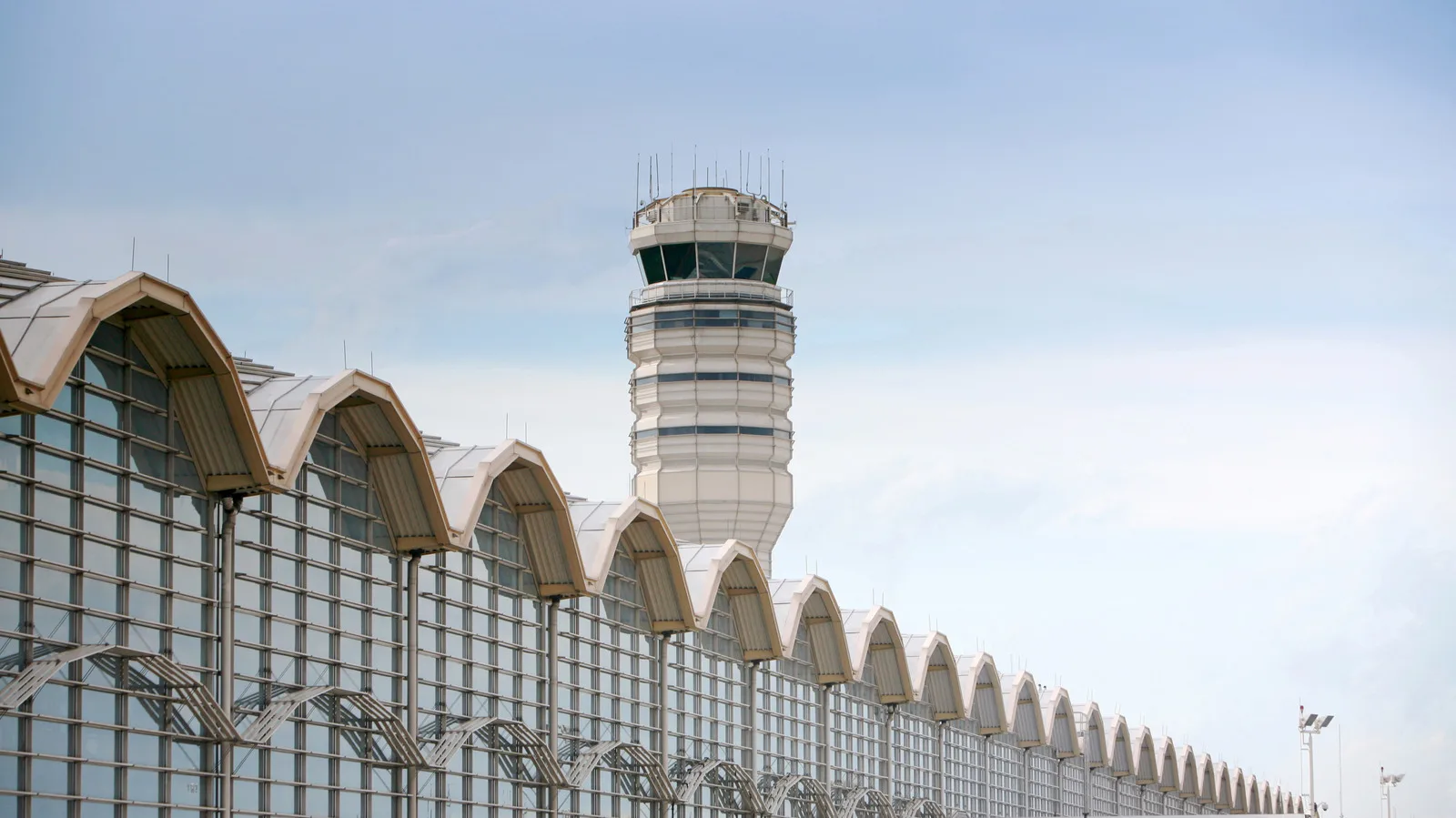
The U.S. Department of Transportation has committed $875 million to develop a SMART AI system aimed at improving air traffic control efficiency and safety.
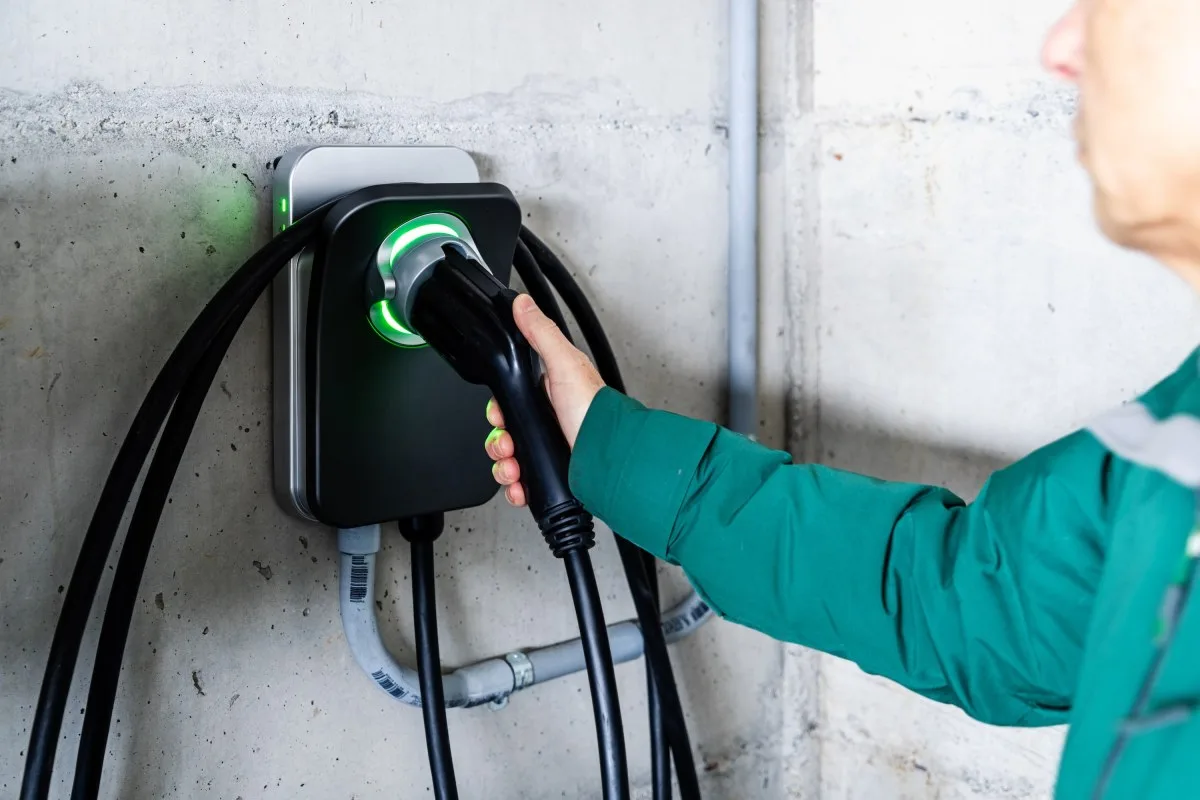
Noble Carbon will demonstrate its streamlined approach to EV charger installation, addressing common homeowner hurdles related to electrical upgrades and costs.
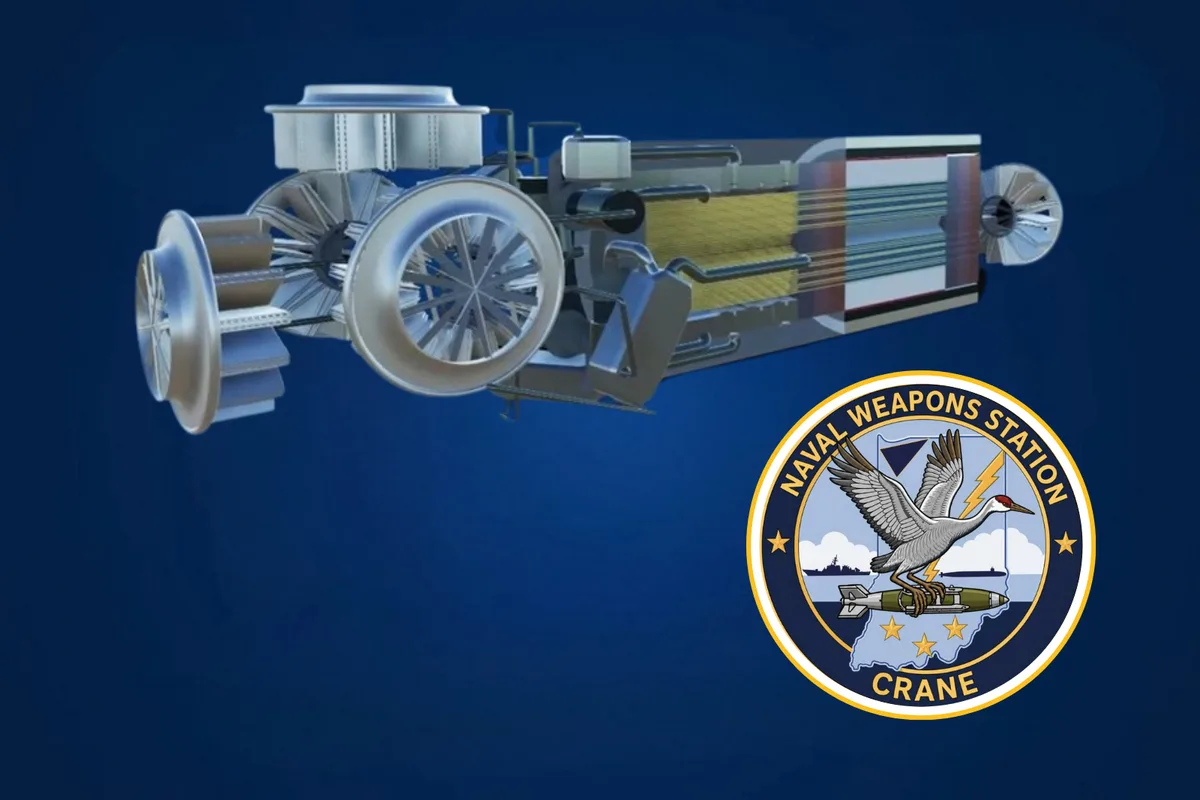
The Department of War is advancing plans to install a Micro Modular Reactor at Naval Weapons Station Crane, marking a significant step in military energy innovation.
Despite ongoing US warnings about Chinese AI risks, a federal agency adopted a Chinese-developed AI model in its public search interface, raising concerns over national security and policy consistency.

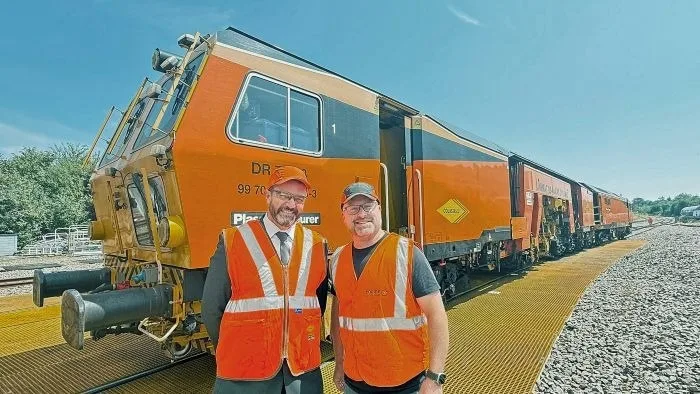
Colas Rail UK leads the rail sector by adopting hydrogen-powered engine carbon cleaning across its tamper fleet, aiming to reduce direct emissions and enhance sustainability.

An analysis of cybercrime forum posts reveals AI usage among hackers reduces their care and skill, resulting in more careless coding rather than heightened threat sophistication.

Major corporations worldwide are intensifying cybersecurity upgrades as emerging AI tools increase vulnerabilities and risks of cyberattacks targeting critical systems.
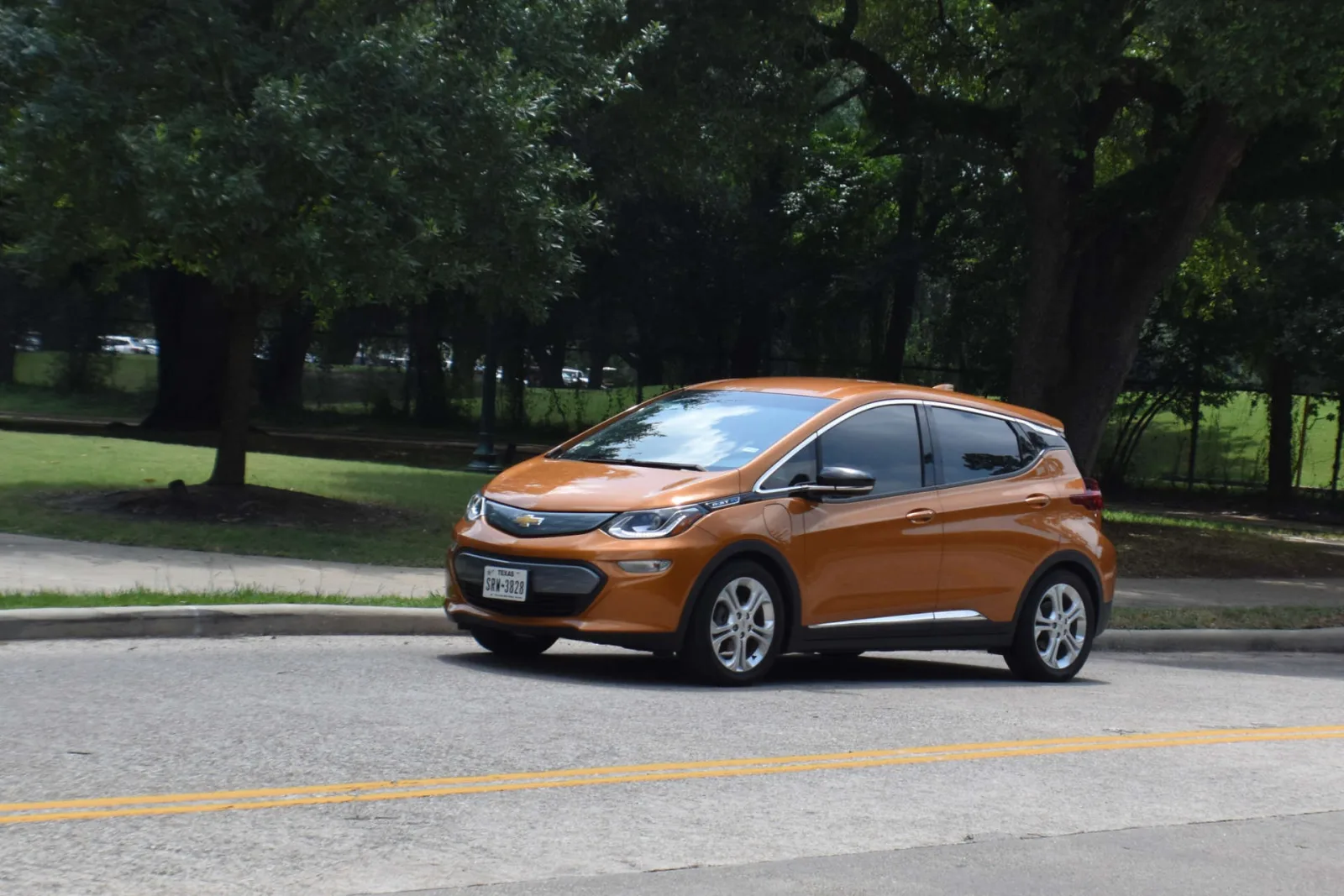
Soaring gas prices and extended daily drives lead some commuters to explore electric vehicles as a cost-effective alternative to traditional gasoline cars.

Regional leaders call for a pause on new data center projects in New England until comprehensive regulations address the impact of artificial intelligence.
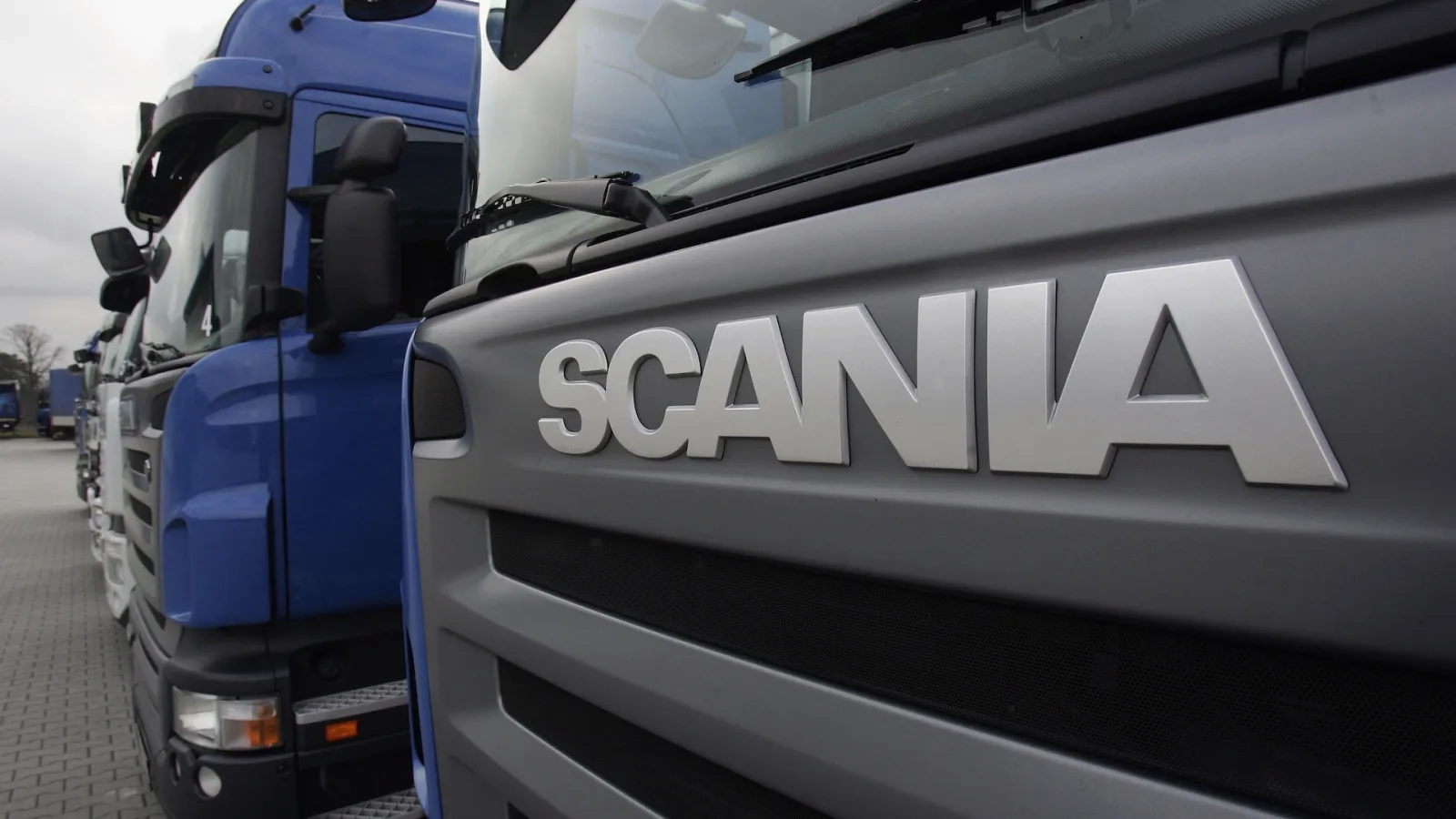
Scania introduced a battery-electric truck with extended range, targeting the long-haul freight market in Europe as electric trucking advances.