AI Agents Are Transforming Labor by Coordinating Humans, Not Replacing Them
AI agents are reshaping work by organizing labor dynamically and relying on human collaboration, rather than eliminating human roles entirely.

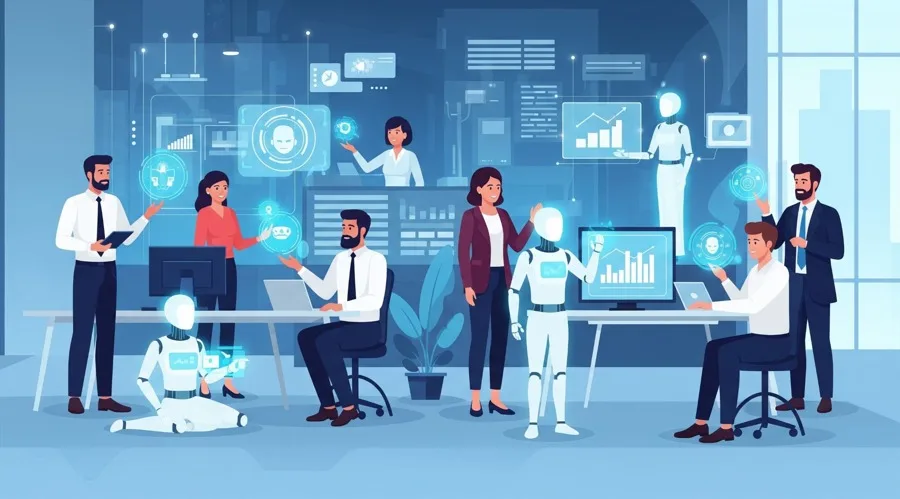
AI agents are reshaping work by organizing labor dynamically and relying on human collaboration, rather than eliminating human roles entirely.

China restricts dual-use exports to 10 U.S. defense firms and bans government procurement from 46 U.S. companies, escalating the technology and defense standoff with Washington.

Taiwan warns that Beijing’s control over atemoya imports risks weaponizing fruit trade, urging expansion into new markets and product forms to reduce dependence.
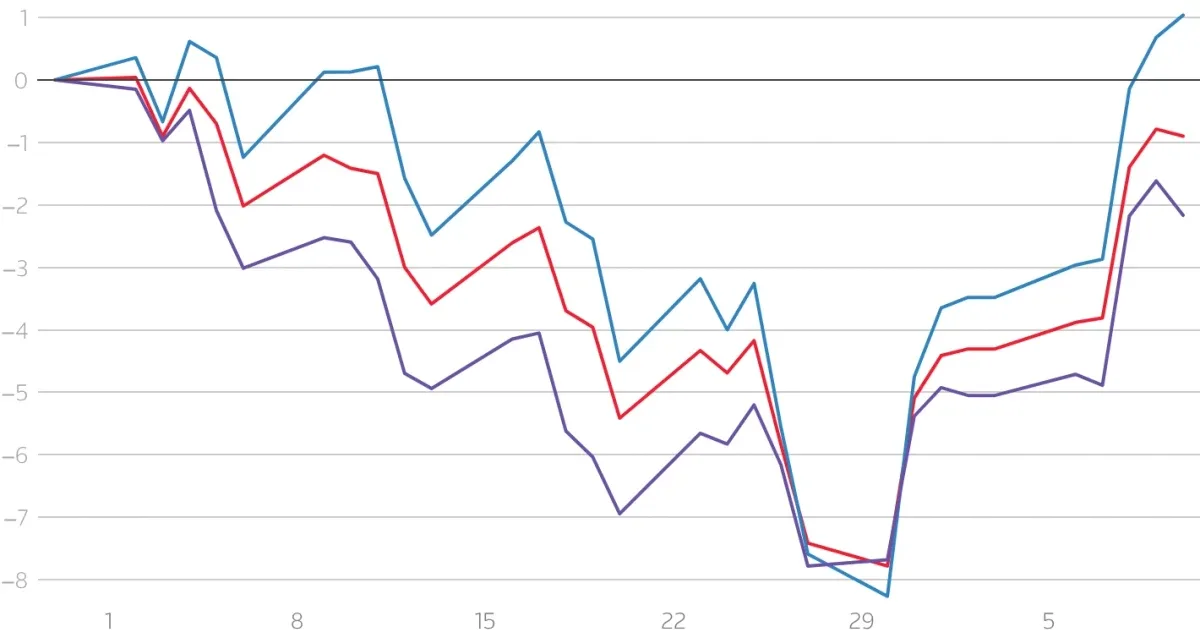
Stock futures declined as markets balanced cautious optimism over U.S.-Iran nuclear talks with upcoming inflation data that could influence Federal Reserve policy and market direction.


Henderson, Nevada, is weighing a six-month pause on new data center applications to address power usage, heat output, and community impacts before updating regulations.

The Independent Community Bankers of America urge the Kansas City Fed to review and potentially restrict or end Kraken Financial’s limited-purpose Fed account ahead of its one-year term expiration.

John Jumper, Nobel Prize-winning AI scientist and DeepMind vice president, departs Google after nearly a decade to join AI competitor Anthropic amid growing market challenges.

Facing critical high-bandwidth memory shortages, SanDisk proposes stacking NAND Flash and compute units on a single chip to boost AI and HPC performance.

Talks between Iran and the US are now targeting sanctions relief, access to funds, and regional issues alongside nuclear concerns, with a $300 billion reconstruction fund on the table.
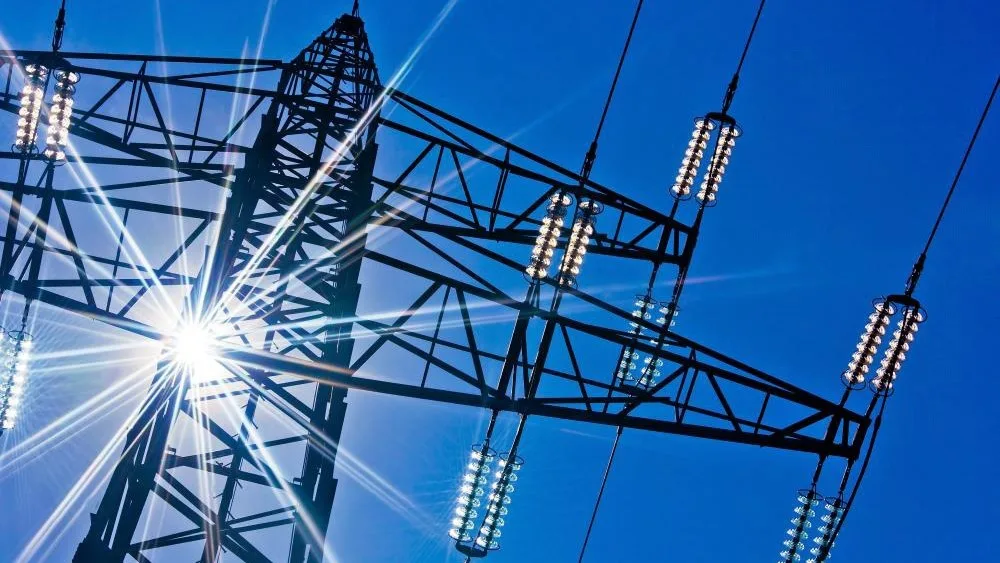
As AI technology demand surges, the critical challenge shifts from chip shortages to the massive electricity required to power data centers, straining grids designed for modest growth.