

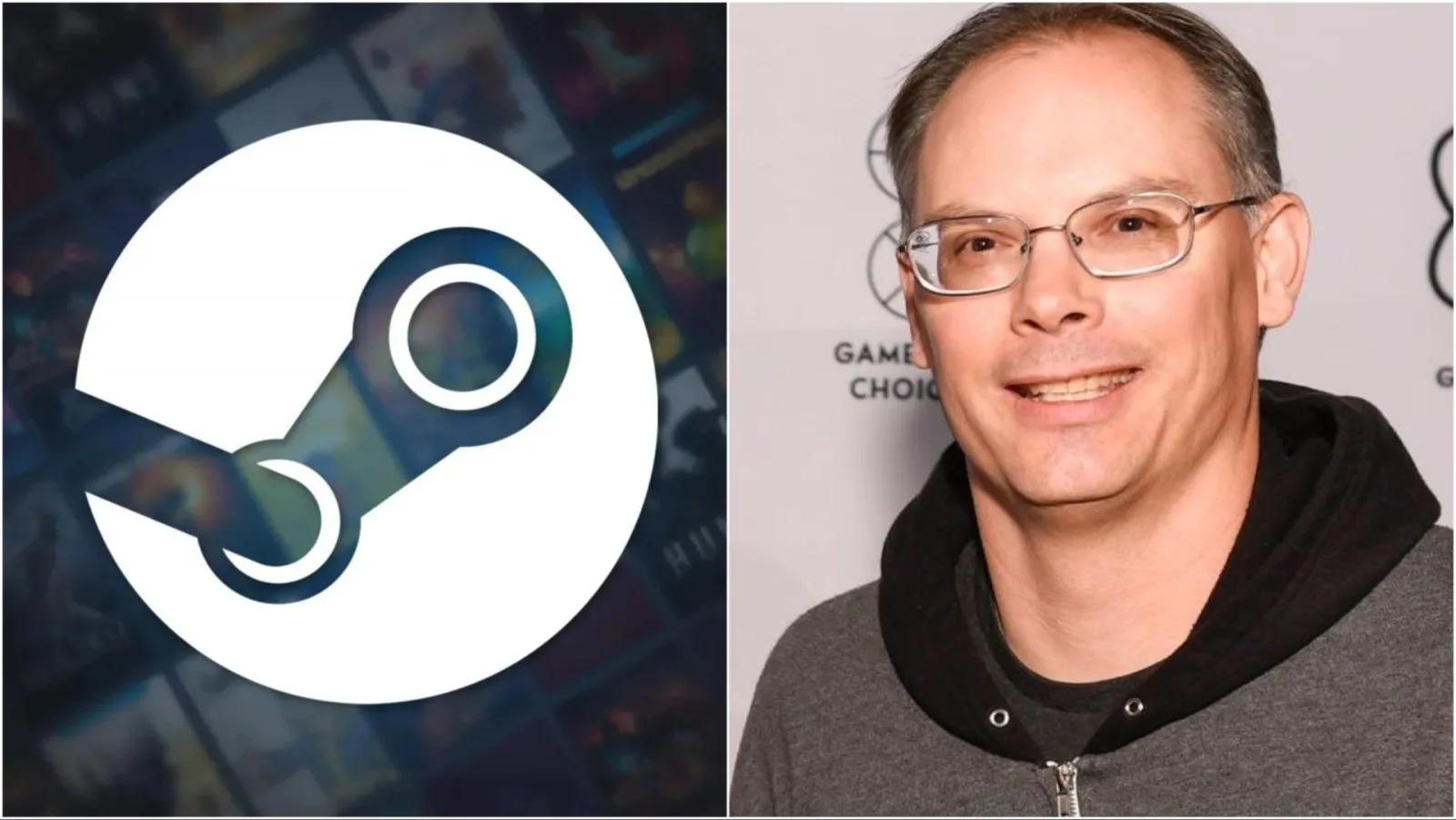
Valve's decision to mandate AI usage disclosures for games on Steam has stirred controversy, with Epic Games CEO Tim Sweeney labeling the move "irresponsible" for its potential negative impact on developers. Sweeney argues that attaching an AI label to a game often emboldens a segment of consumers to boycott or criticize titles before they even launch, effectively penalizing creators who leverage AI tools in development.
He explained that developers feel pressured to release their games on Steam due to its broad reach and wishlisting features, but the compulsory AI disclosure acts like a “scarlet letter,” deterring potential buyers and complicating developers' chances of success. According to Sweeney, developers face a difficult choice: avoid AI tools that could boost productivity or risk failure amid harsher consumer scrutiny.

Despite Sweeney’s criticism, Valve maintains that consumers have the right to transparent information regarding how games are made, a position aligned with growing calls for disclosure in creative industries. Transparency advocates emphasize that buyers deserve clear knowledge about AI’s role to make informed decisions based on their preferences and values.
Epic Games’ stance on AI is markedly different, as Sweeney champions AI integration for its ability to free developers to focus on gameplay and storytelling. The upcoming Unreal Engine 6, developed by Epic, embraces AI features designed to streamline content creation. Sweeney highlighted how AI broadens creative possibilities beyond static asset libraries or real-world scanning techniques, enabling the generation of unique game elements more efficiently and economically.
He pointed out that investing large budgets on perfecting minor assets, like a flower pot, misses the point—value lies in crafting compelling game worlds, narratives, and experiences that truly engage players. AI technology accelerates this process, offering scalable support that helps developers innovate without sacrificing quality.
Nonetheless, concerns remain about AI’s disruptive effects on industry labor, as some publishers may use AI adoption to cut down human roles. This tension underlines ongoing debates on balancing technological progress with preserving meaningful employment within game development.