

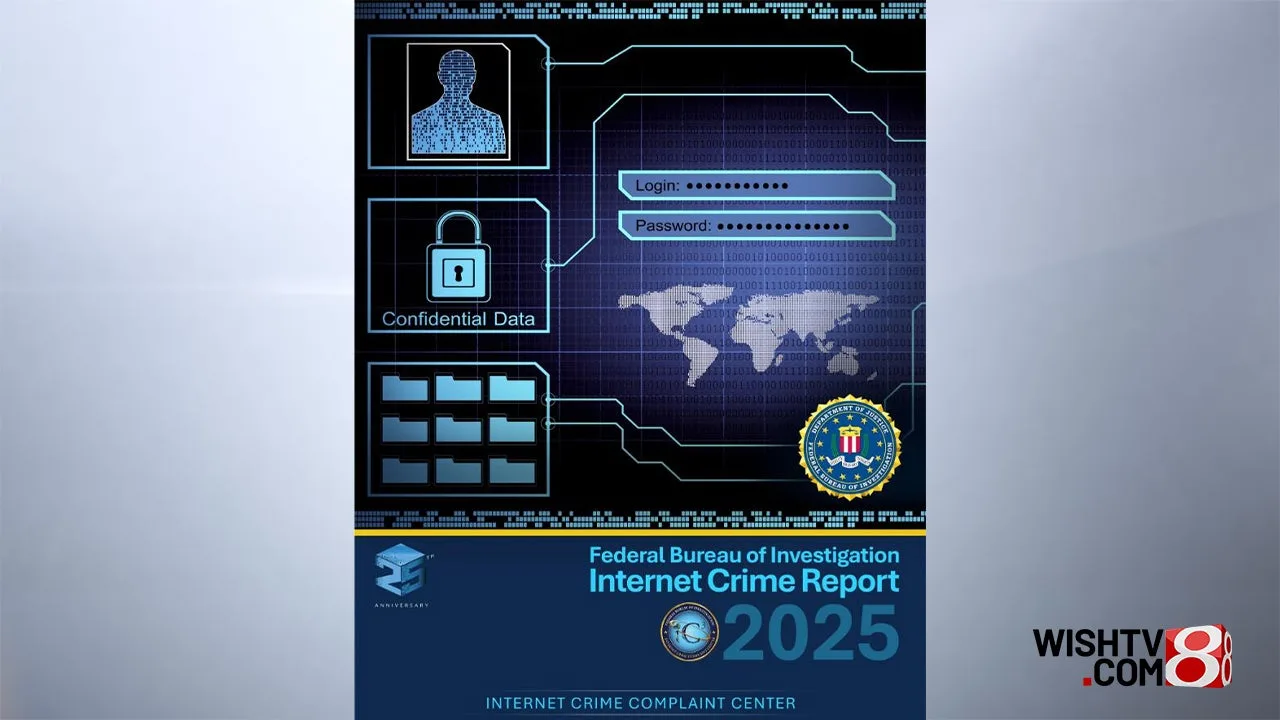
The FBI's latest findings reveal AI technology is significantly facilitating criminals in executing financial fraud and identity theft. In 2025 alone, the bureau received over 22,000 complaints connected to AI-related scams, reporting losses nearing $893 million. Investment scams linked to AI drove more than $632 million of these losses, spotlighting the growing sophistication and impact of these schemes.
One striking example comes from Thomas Hutchings, a business owner in Fort Wayne who narrowly avoided falling victim to a scam exploiting AI tactics. Hutchings received an email purporting to be from the local zoning authority, demanding an additional fee exceeding $4,900 for a building permit application related to a containerized home project. Upon closer inspection, Hutchings noticed the suspicious email domain and confirmed with county officials that it was fraudulent. Such scams show how perpetrators increasingly tailor attacks using detailed personal information, creating convincing and targeted communications.

The FBI’s 2025 Internet Crime Report also notes a surge in government impersonation scams, which triggered over 32,000 complaints and resulted in nearly $800 million in losses. Scammers are now using AI not only to craft realistic emails and messages but also to clone voices, generating synthetic phone calls designed to deceive victims emotionally. According to FBI Special Agent Timothy O’Malley, AI can replicate someone’s voice from brief social media clips or phone recordings to simulate real conversations, often targeting vulnerable individuals such as grandparents in distress scams.
Indiana ranks 12th nationwide in the number of scam reports filed per resident, reflecting both regional vulnerability and growing public awareness. O’Malley describes Indiana as a “target-rich environment” due to its generally trusting population. However, increased reporting is seen as progress, indicating a better-informed public ready to combat these threats.
AI-driven scams are evolving rapidly, becoming cheaper to produce and more widespread. Criminals rely on volume to succeed, knowing that even a small fraction of successful attempts yields substantial returns. The FBI emphasizes ongoing efforts to combat these crimes through public education and investigative initiatives aimed at curbing AI-enabled fraud schemes.