

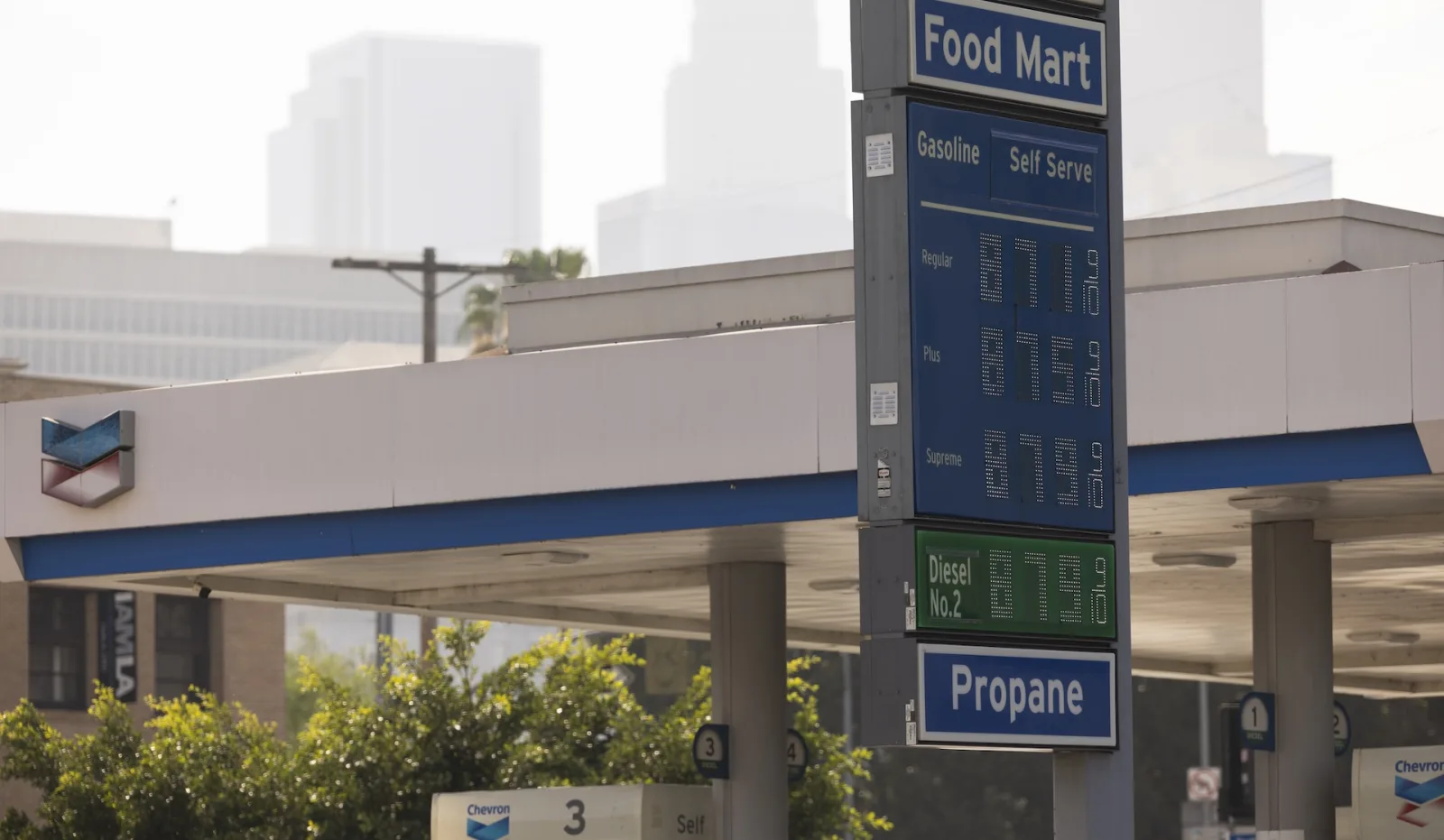
A class-action lawsuit filed in federal court alleges that more than 1,700 California gas stations used AI-based pricing software to inflate fuel costs by coordinating price increases instead of competing. The complaint targets major companies including Marathon Petroleum, 7-Eleven, Walmart, and Circle K, claiming they employed Kalibrate Fuel Pricing software to suppress retail competition statewide.
The lawsuit maintains that these stations charged consumers roughly 6 to 30 cents more per gallon than they would have under normal competitive conditions. It highlights how even a single-cent increase statewide could extract approximately $134 million annually from California drivers. Rather than lowering prices to attract customers, the software reportedly guided stations to set prices based on rivals’ data, enabling synchronized price rises.

The complaint specifically cites a software function called “restoration,” which triggers simultaneous, substantial price hikes across nearly all gas stations in a given area. This feature allegedly facilitates coordinated market-wide increases, raising questions about whether AI tools are being used to manufacture cartels rather than foster competition.
This case gains significance as regulators scrutinize AI’s growing role in shaping market dynamics behind the scenes. It invokes California Assembly Bill 325, effective January 1, which outlaws the use or distribution of algorithms that facilitate price-fixing conspiracies. The lawsuit accuses companies of trying to dodge antitrust responsibility by delegating pricing decisions to AI, which the new law aims to prevent.
Experts note that beyond fuel prices, AI-driven pricing tools could have widespread economic impact by quietly elevating costs across sectors including housing and transportation. This lawsuit could mark one of the first major legal tests of how courts will handle antitrust violations involving algorithmic pricing software.
Kalibrate Fuel Pricing reportedly serves eight of the top ten fuel retailers in the United States and operates nationwide, suggesting that the case’s outcome in California could influence regulatory approaches across the country.