

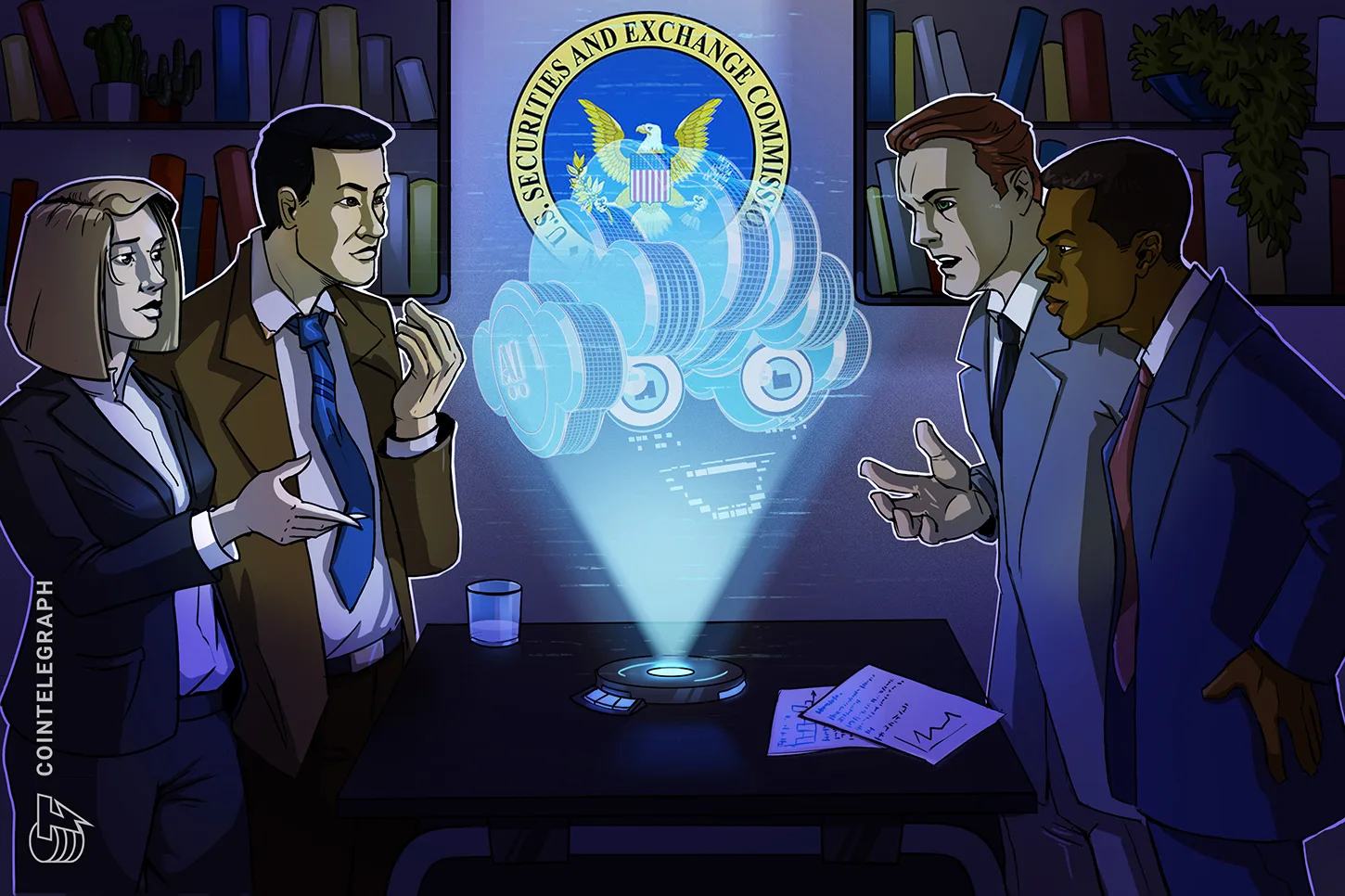
A coalition of Democratic lawmakers in the US House of Representatives has pressed the Securities and Exchange Commission (SEC) to explain how it is regulating artificial intelligence (AI) tools that provide investment advice and execute trades on behalf of retail investors. Their inquiry highlights growing unease about the oversight of AI-powered trading agents that operate largely beyond traditional securities regulation frameworks.
In a letter addressed to SEC Chair Paul Atkins, lawmakers warned that AI trading platforms pose significant questions regarding investor protection, broker-dealer responsibilities, and the accountability of developers behind these technologies. The letter pointed out that while current use of agentic trading may be limited, there is potential for expansion into a wider array of financial products, such as options, cryptocurrencies, event contracts, and futures, which could amplify regulatory challenges.

AI trading advisors have surged in popularity among cryptocurrency users seeking a competitive advantage in a market that never sleeps. This innovation has extended to the traditional equity market, where retail traders increasingly rely on AI-generated strategies. Coinbase recently introduced its own AI trading assistant, integrated into its application, which the company promotes as a registered financial advisor under both the SEC and Commodity Futures Trading Commission (CFTC) oversight.
Despite the rising use of these AI agents, the lawmakers highlighted troubling gaps in regulatory coverage, noting that these tools often operate without clear supervision or accountability. Disclosures accompanying such platforms typically state that brokers cannot guarantee the suitability or accuracy of AI-generated recommendations and lack the capacity to control, monitor, or audit the AI advisors effectively.
These disclaimers, according to the letter, create regulatory ambiguity and raise urgent concerns about who holds legal responsibility among brokers, AI developers, and investors if AI advice results in financial harm. The legislators sought explicit answers from the SEC on key issues, including what analytical and protective measures the agency has implemented, criteria for AI agent registration, and the extent of SEC consultations with trading platforms deploying AI technologies.
The lawmakers further asked whether the SEC currently possesses the necessary authority to manage risks posed by AI agents or if new congressional legislation is needed. The letter was led by Bill Foster and Brad Sherman, the top Democrats on Congressional subcommittees overseeing financial institutions and capital markets, and was co-signed by Representatives Stephen Lynch, Jim Himes, Sean Casten, Rashida Tlaib, Brittany Pettersen, and Sylvia Garcia.