

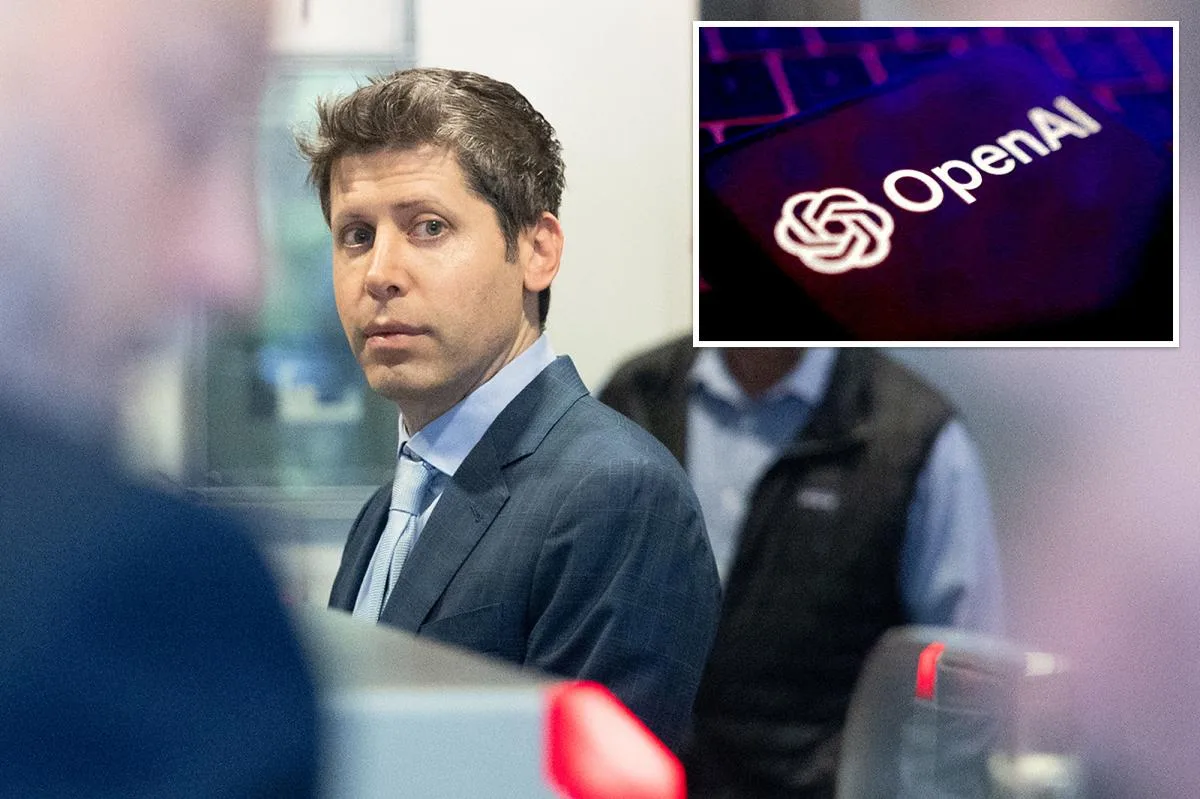
Sam Altman confronted Elon Musk’s allegations in federal court, rejecting the accusation that he “stole” OpenAI and diverted it from its original charitable mission. Altman described Musk’s role during OpenAI’s early years as contentious, including an unsettling moment when Musk suggested that control of the company should pass to his children if he died. This stance, along with Musk’s approach to AI safety, made Altman “extremely uncomfortable.”
During his testimony, Altman denied the characterization of stealing a charity as incomprehensible, emphasizing that it did not align with his understanding or actions at OpenAI. He also portrayed Musk’s involvement as disruptive, noting a “moral boost” within the company after Musk stepped back. Altman criticized Musk’s demand for immediate accountability about short-term employee contributions, saying it conflicted with the company’s long-term research goals.

The lawsuit, now in its third week, pits two tech leaders in a battle over OpenAI’s future. Musk seeks to remove Altman and co-founder Greg Brockman while pursuing damages and the reinstatement of OpenAI’s nonprofit status. He claims that OpenAI violated its charitable mission by shifting away from its original structure. A victory for Musk could reshape the governance and strategy of one of the most influential AI companies.
The trial has drawn considerable attention given OpenAI’s rapid growth, funding from major tech players, and its leading role in AI development through tools like ChatGPT. Altman used his court appearance to highlight ongoing safety initiatives and counter criticism from former OpenAI insiders, who accused him of fostering internal conflict that hampered leadership effectiveness.
As the proceedings unfold, Altman’s defense underscores a vision of OpenAI committed to responsible innovation and maintaining momentum without sacrificing foundational principles. Meanwhile, Musk’s campaign signals an effort to reassert control and realign OpenAI with its nonprofit origins, a legal fight with significant implications for the AI industry’s governance and future direction.