

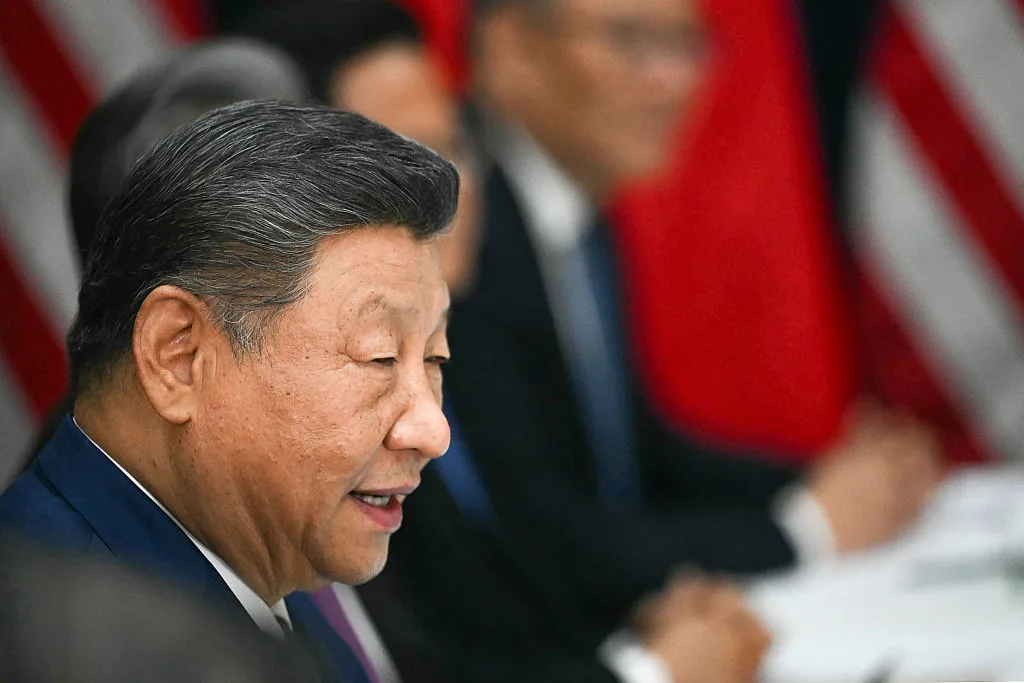
Donald Trump’s scheduled visit to China this week will mark a significant moment in U.S.-China relations as he becomes just the third American president to make two official visits to Beijing. This trip comes after a hiatus exceeding eight years without a sitting U.S. president visiting China, the longest gap since the 1989 to 1998 interval.
Presidential visits to China have historically served as crucial diplomatic milestones since the first one by Richard Nixon in 1972. Yet, serious strains have shaped the timeline. After the Tiananmen Square crackdown in 1989 and the accidental U.S. bombing of China’s embassy in Belgrade in 1999, official visits were suspended for years. Relations thawed somewhat following China’s entry into the World Trade Organization in 2001, which was supported by the U.S.

Among recent presidents, George W. Bush made four visits to China during his tenure, the most of any sitting U.S. leader, while Barack Obama traveled there three times. Conversely, both Jimmy Carter and Joe Biden have not visited China as presidents, although Carter played a key role in normalizing diplomatic ties in 1979.
The gap in visits after Trump’s last trip in 2017 reflects both the fallout from the COVID-19 pandemic and the intensified bilateral tensions marked by trade disputes, military rivalry, and diplomatic spats. Despite the lack of state visits, dialogue between leaders has continued through other channels, including a meeting between Trump and Xi Jinping in South Korea last year aimed at de-escalation and stabilizing ties.
Recent developments add layers of complexity to the relationship. China has enacted stricter supply chain regulations, blocked Meta’s attempted acquisition of a Chinese AI firm, and pushed back against U.S.-targeted sanctions on Chinese oil refineries. Additionally, ongoing conflicts in the Middle East further complicate U.S.-China diplomatic efforts.
Trump’s visit, starting Thursday morning local time, is anticipated to focus on managing strategic, military, political, and economic challenges that test the boundaries of cooperation between Washington and Beijing. While symbolic, these state visits provide an important platform for direct communication amid a fraught and evolving bilateral relationship.