

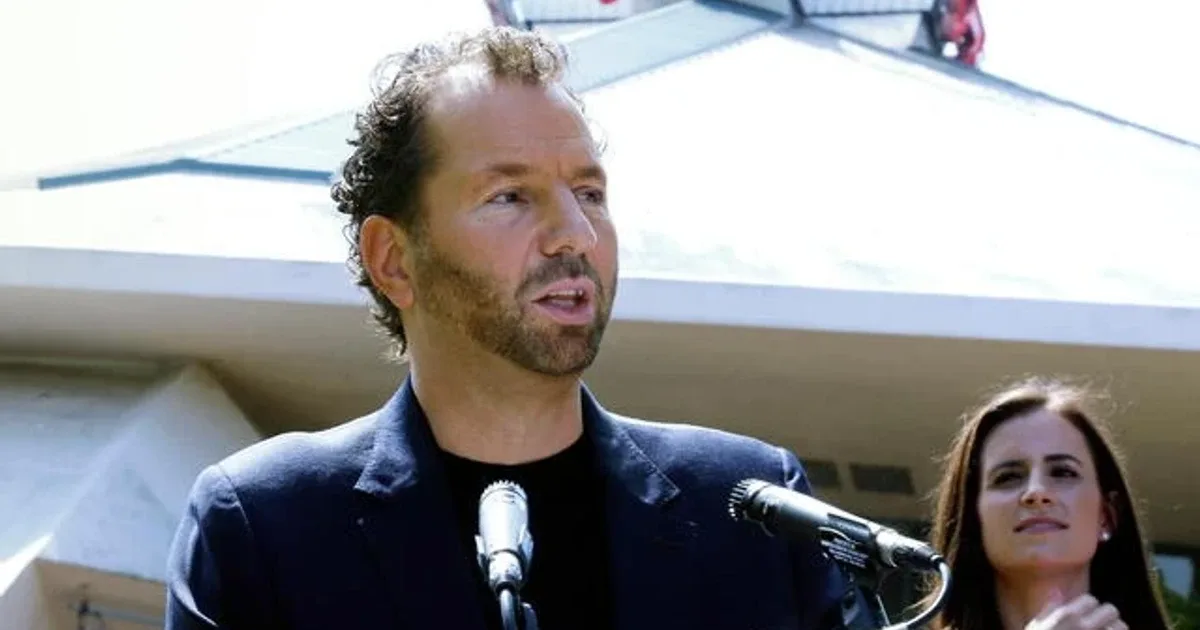
Former President Donald Trump engaged in a private conversation with Michael Rapino, CEO of Live Nation, several weeks before the Justice Department reached a settlement in its high-profile antitrust lawsuit against the company and Ticketmaster. Their discussion took place in February, shortly before March's court proceedings that marked a significant turning point in the case.
Despite the direct dialogue between Trump and Rapino, Live Nation’s legal counsel avoided discussing specific settlement terms prior to the Justice Department's public announcement. The department formally revealed the settlement agreement on March 9, 2026, just days after a trial began on March 2 initiated by multiple states opposing the deal. This settlement removed the federal government from ongoing courtroom battles while allowing certain states to continue litigation independently.

Throughout February and March, White House legal staff maintained active communications with Live Nation representatives and the Justice Department through meetings, videoconferences, phone calls, and correspondence, underscoring the government's deep involvement during this period. While 33 states and the District of Columbia pressed forward with antitrust claims, six states—Arkansas, Iowa, Mississippi, Nebraska, Oklahoma, and South Dakota—opted to accept the DOJ's proposed settlement.
On April 15, a jury in the Southern District of New York ruled that Live Nation and Ticketmaster had unlawfully monopolized primary ticketing services and amphitheater operations, including illegally tying amphitheater access to concert promotion. The jury calculated damages at $1.72 for every primary concert ticket sold under the contested practices.
The Justice Department’s proposed remedy stops short of breaking up Live Nation or forcing Ticketmaster's divestiture. Instead, it requires Live Nation to relinquish control of 13 amphitheaters and implement structural and behavioral reforms designed to enhance competition in ticket sales and venue bookings.