

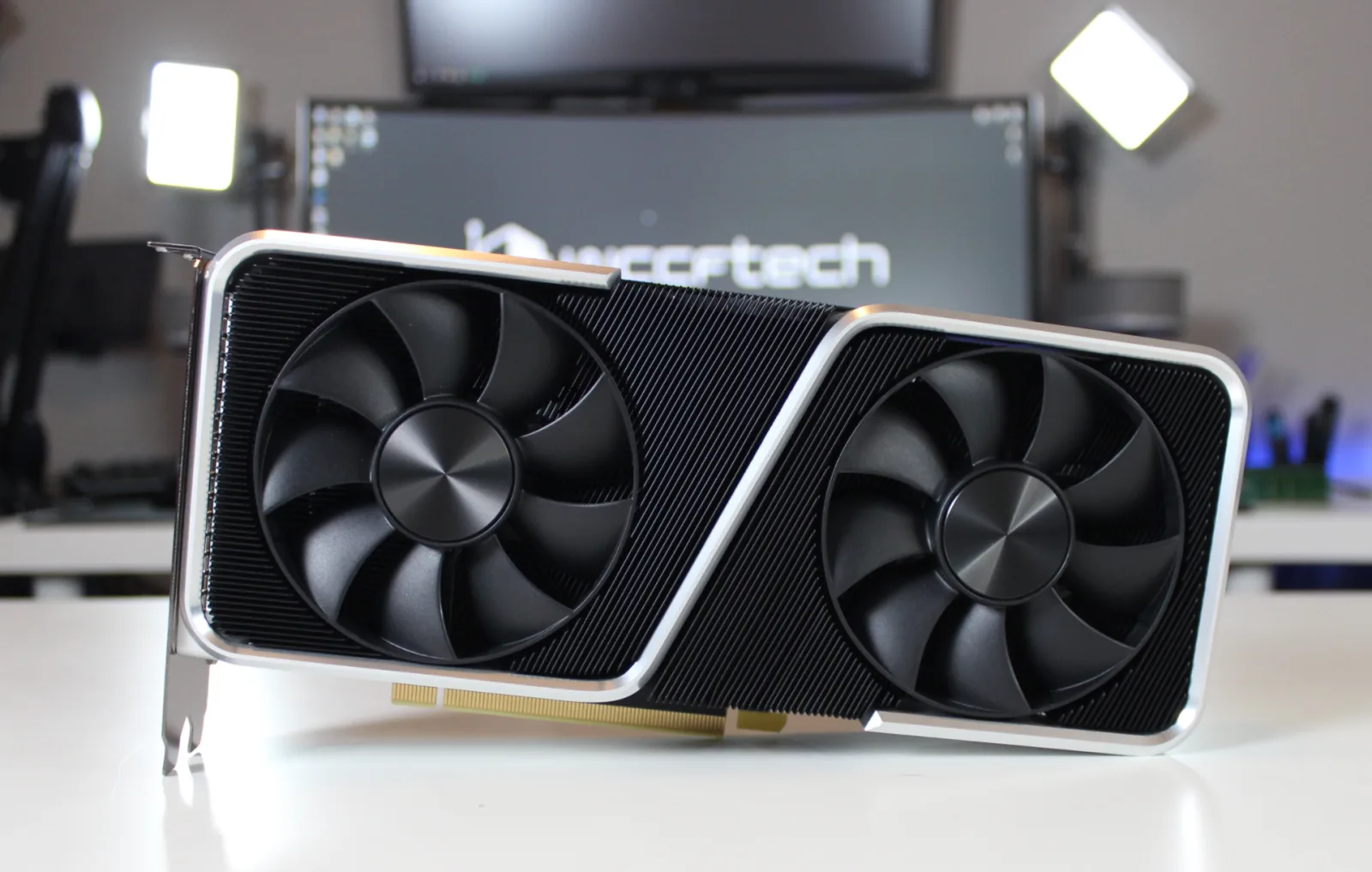
NVIDIA has revived its GeForce RTX 3060 12 GB graphics card, marking the return of a model launched five years ago amid a global crisis impacting dynamic random-access memory (DRAM) supply. This move underscores the continuing strain on component availability that affects both GPU manufacturers and consumers, limiting the launch of newer, more advanced products.
Originally released in 2021, the RTX 3060 12 GB is back on retail shelves in the US and Europe at the same launch price—$329 and €333 respectively. However, this relaunch coincides with a period of rising costs and scarcity in commodity memory, which is driving up prices for not only GPUs but many tech products as well. The current market environment has forced NVIDIA and other manufacturers to prioritize existing mainstream models instead of focusing on their next-generation graphics card lines.

The anticipated debut of NVIDIA’s RTX 50 SUPER series, a planned update to their Blackwell architecture, has faced delays partly due to these supply constraints. New RTX 50 cards typically feature GDDR7 memory—the latest standard offering faster speeds and better efficiency—but the scarcity and inflated price of this memory type have slowed production and availability.
While the RTX 3060 12 GB offers more VRAM than the RTX 5060 and RTX 5060 Ti models (which come equipped with 8 GB), it relies on the older Ampere architecture. This older generation lacks improvements introduced with Blackwell, including enhanced tensor cores for AI rendering, the DLSS 4.5 suite for superior upscaling performance, and faster encode/decode engines. Despite having more memory, the RTX 3060 performs less efficiently than newer 8 GB models in most gaming scenarios outside of high-resolution 4K settings, where the extra VRAM would be advantageous.
Current retail prices for the RTX 5060 line have risen above their original MSRP, now ranging between $349 and $359 in the US market. This is notably higher than the RTX 3060’s price, yet the newer cards offer superior performance thanks to architectural improvements, making the RTX 3060 more of a stopgap product than a competitive option.
The relaunch of the RTX 3060 12 GB reflects broader supply chain pressures across the PC gaming industry, particularly the DRAM shortage that limits production capacity and forces chipmakers to focus resources on high-demand sectors like artificial intelligence hardware instead of consumer GPUs. This bottleneck has constrained the release schedules and pricing dynamics of next-generation gaming components.