

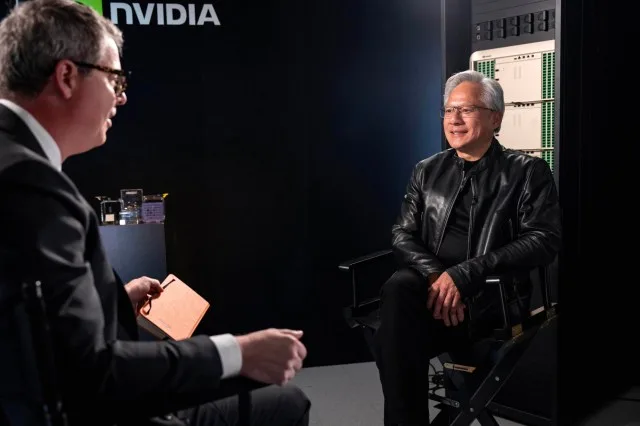
Nvidia CEO Jensen Huang emphasized that society must develop new social norms to keep pace with artificial intelligence’s rapid integration into daily life. Speaking in an interview, Huang encouraged broad adoption of AI tools, arguing that engaging directly with AI is essential as the technology reshapes economies and workflows.
Huang highlighted AI’s ability to democratize advanced tasks, explaining that people can now perform complex work—such as website creation or document analysis—without specialized programming skills. This, he said, helps close long-standing technological gaps across different sectors and communities. At the same time, Huang acknowledged concerns about job losses and social disruption sparked by AI’s swift adoption, noting these fears have fueled political debate and calls for oversight.

Recognizing the need for balance, Huang called for clear government regulations and safety standards to guide AI development, stressing national security as a critical concern given the technology’s growing influence on the economy and markets. His comparison to the arrival of automobiles illustrated the point: society transitioned from fearing vehicles to adapting via infrastructure and new rules, suggesting a similar evolution is necessary for AI.
Aside from his optimistic outlook, Huang expressed skepticism regarding proposals for government ownership in AI firms, despite recent suggestions from political figures like former President Donald Trump and Senator Bernie Sanders advocating broader public benefit from AI’s financial gains. Huang pointed to Nvidia’s market dominance and the skyrocketing value of AI companies such as OpenAI and Anthropic, noting this concentration of wealth raises questions about economic inequality.
Huang’s remarks come at a moment when AI has become a contentious issue, with debates over data center expansions, workforce displacement, and political controversy influencing public support. Despite this, he remains confident that embracing AI will ultimately foster faster innovation and economic growth, provided society adapts responsibly through new norms and regulatory frameworks.