

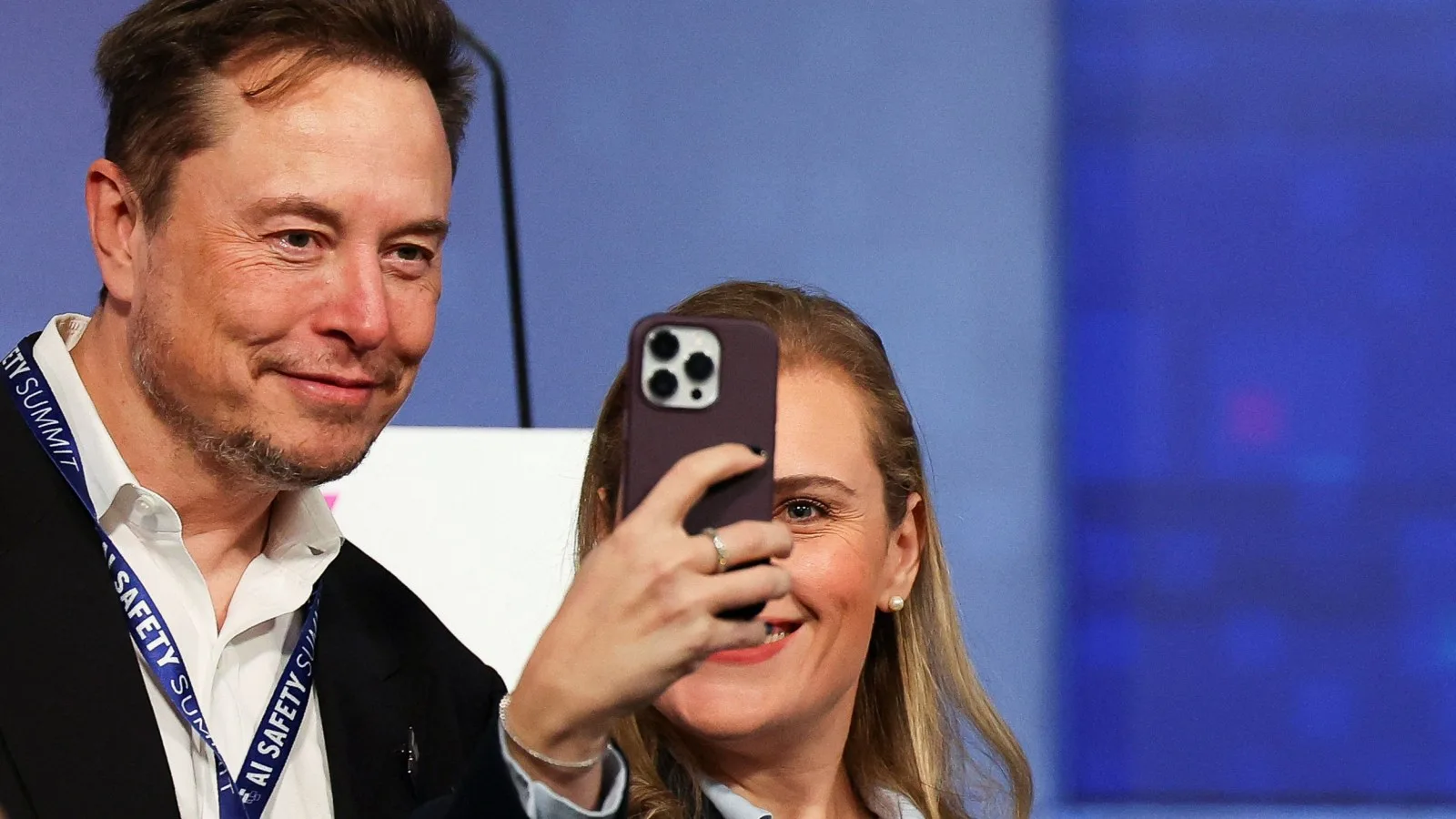
In recent weeks, SpaceX has quietly revealed a preliminary prototype of an AI-powered smartphone-style device to select investors in the United States. While Elon Musk publicly denied earlier this year that the company was creating a phone, the prototype shown resembles a thinner-than-average smartphone running a proprietary operating system connected to Musk’s artificial intelligence company, xAI.
The device remains in the very early stages of development, and insiders have been cautioned that the design may undergo significant changes or may never reach the consumer market. The project aims to extend Musk’s vision of consolidating his technology ventures into one seamless platform, allowing users to leverage AI, communication, payments, and other services without relying on the major mobile operating systems like Apple’s iOS or Google’s Android.

Currently, xAI’s chatbot services are accessed through existing iOS and Android apps, which limits Musk’s control and dependency on those platforms. A dedicated SpaceX AI phone could bypass app store restrictions, offering a direct channel to customers. Investors familiar with the discussions say Musk envisions this device as a connective hub for his network of companies, potentially operating as a “superapp” device similar to the multifunctional platforms gained popularity in parts of Asia.
This concept mirrors Musk’s broader ambitions for X, the social network formerly known as Twitter, which he acquired with plans to transform into an all-encompassing “everything app.” The SpaceX AI phone prototype embodies that same integrated ecosystem approach in physical form, designed to house multiple services within a single, Musk-controlled environment.
Asian superapps like WeChat and Alipay have already demonstrated how combining messaging, payments, shopping, and service booking into one platform creates convenience and user retention. Recent innovations have embedded AI capabilities into these apps, evolving them into proactive digital assistants rather than simple menus. Musk’s vision appears to be to embed AI-powered functions into a dedicated device, enhancing this model further.
Integral to the project is SpaceX’s Starlink satellite network, which already delivers internet access globally, including to remote areas, and offers some cellular-style connectivity through partnerships with providers like T-Mobile. Integrating the AI phone tightly with Starlink infrastructure could enable a unique communication and connectivity experience, leveraging Musk’s broader tech ecosystem.