OpenAI Advances Ad Placements in ChatGPT Amid Growing Industry Debate
OpenAI unveiled plans to pilot ads within ChatGPT at Cannes Lions, spotlighting challenges in balancing AI-driven brand promotion with user trust in chatbot responses.



OpenAI unveiled plans to pilot ads within ChatGPT at Cannes Lions, spotlighting challenges in balancing AI-driven brand promotion with user trust in chatbot responses.

Microsoft promotes Jacob Andreou to lead Copilot’s next phase, aiming to accelerate AI development and regain ground against top rivals.
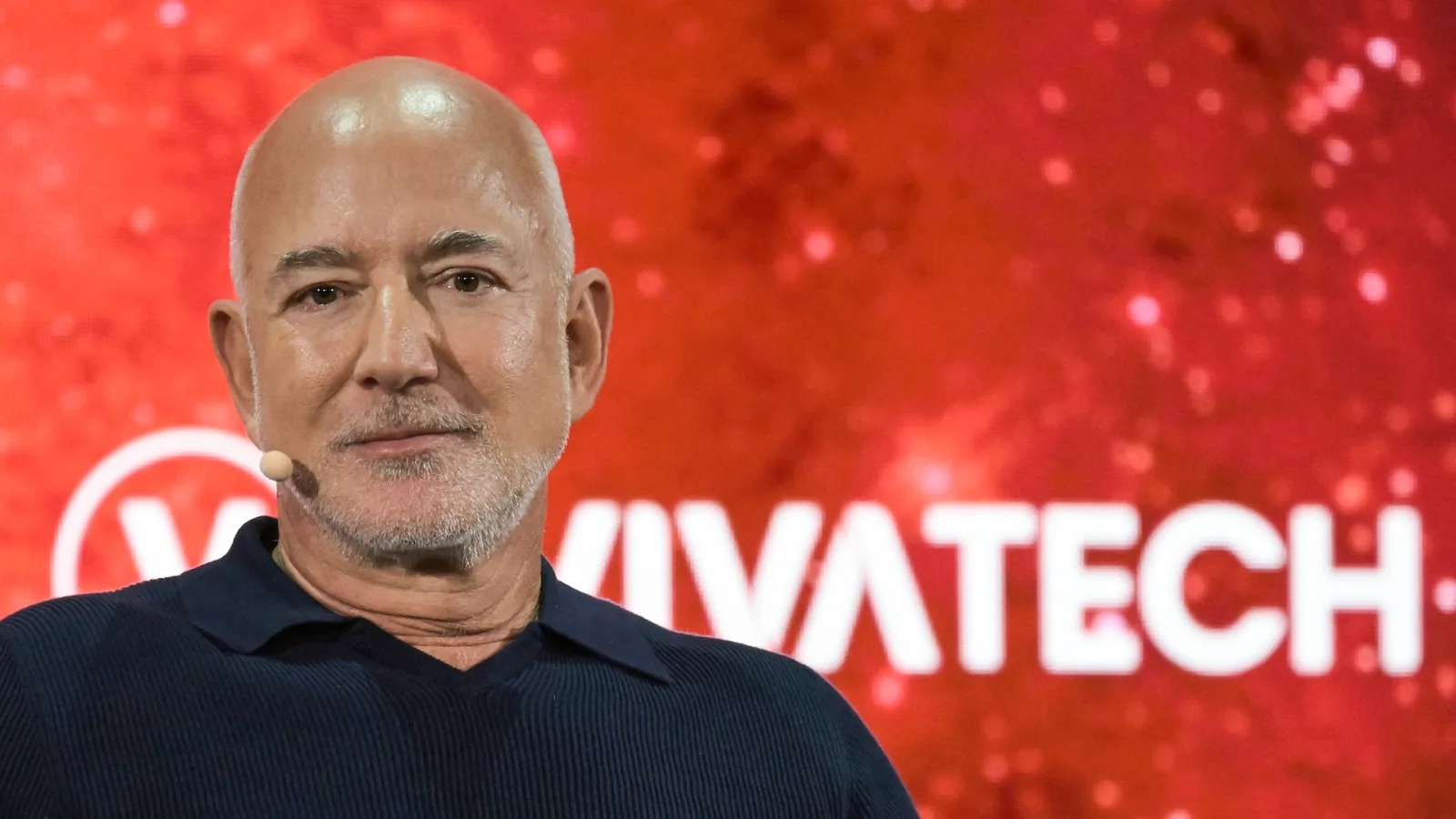
A fabricated statement suggesting Jeff Bezos favored water use for AI above human consumption has been debunked, revealing widespread misinformation amid concerns about AI resource demands.

Advances in AI-driven coding tools are moving validation and testing directly into developers’ workflows to prevent costly delays in Continuous Integration pipelines.

Nvidia’s advanced AI servers banned from export to China are selling for more than double their US price in China’s underground market due to strict technology controls.

Qualcomm introduces its Dragonfly ecosystem, combining AI accelerators, CPUs, advanced memory, and connectivity solutions in a unified platform for next-generation AI data centers.

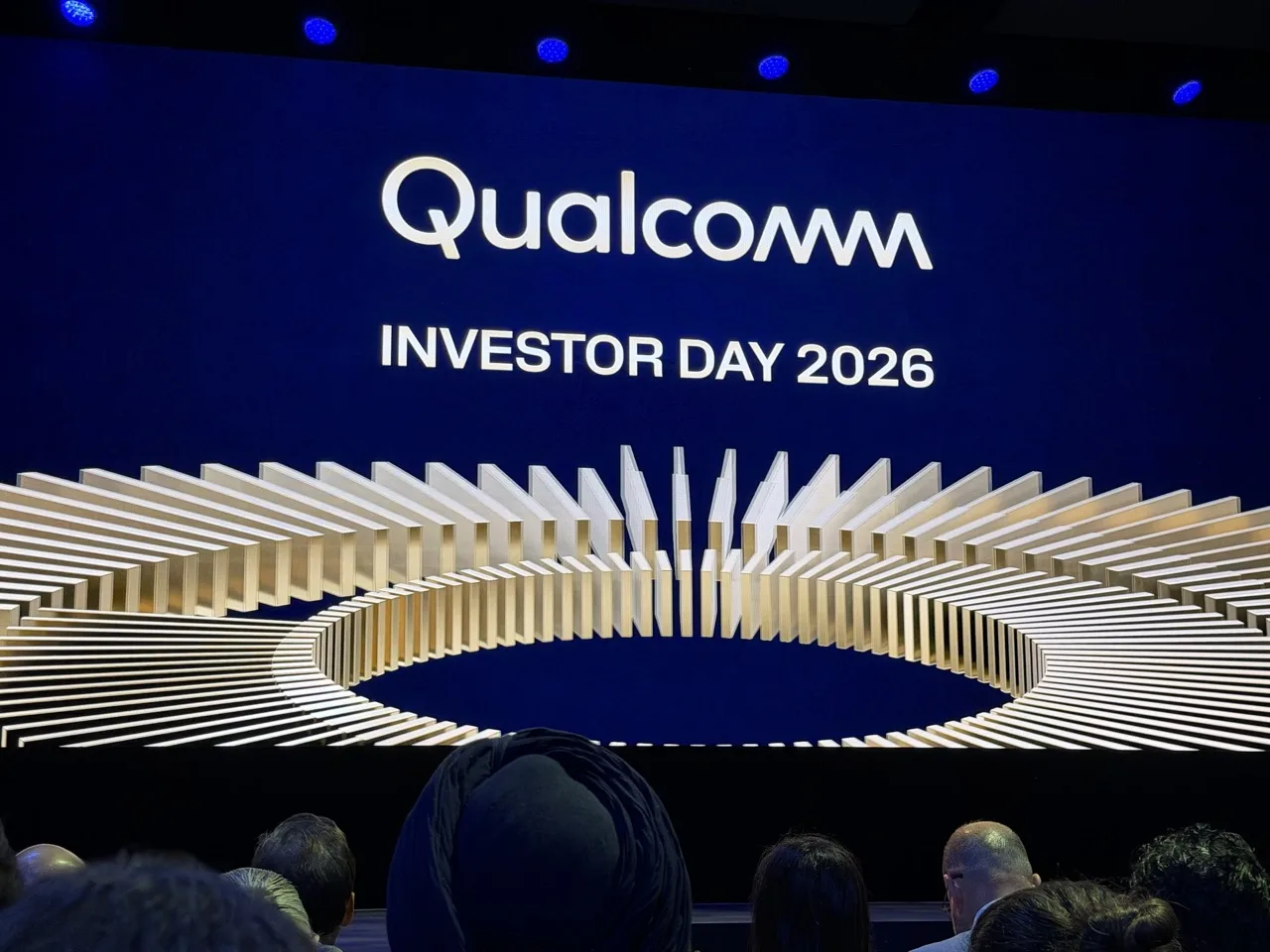
Qualcomm details its roadmap for data center innovation, introducing High Bandwidth Compute, new AI accelerators, and custom CPUs designed for the emerging era of agentic AI.

At Pure Accelerate 2026, experts emphasized that unlocking AI’s potential hinges more on managing data effectively than on AI model complexity.
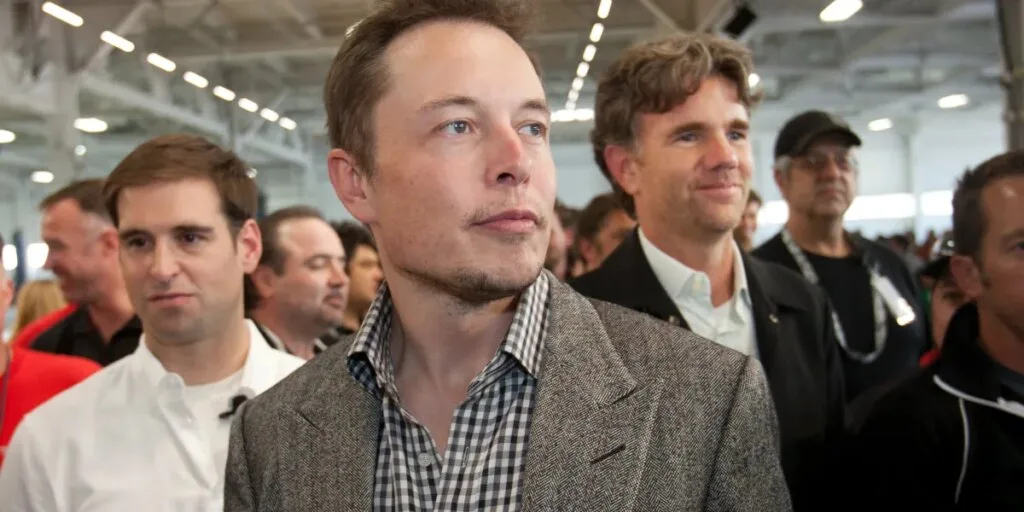
Before Tesla’s rise, cofounder JB Straubel’s initial pitch to Elon Musk was rejected, but his persistence transformed a hobby into a groundbreaking electric vehicle empire.
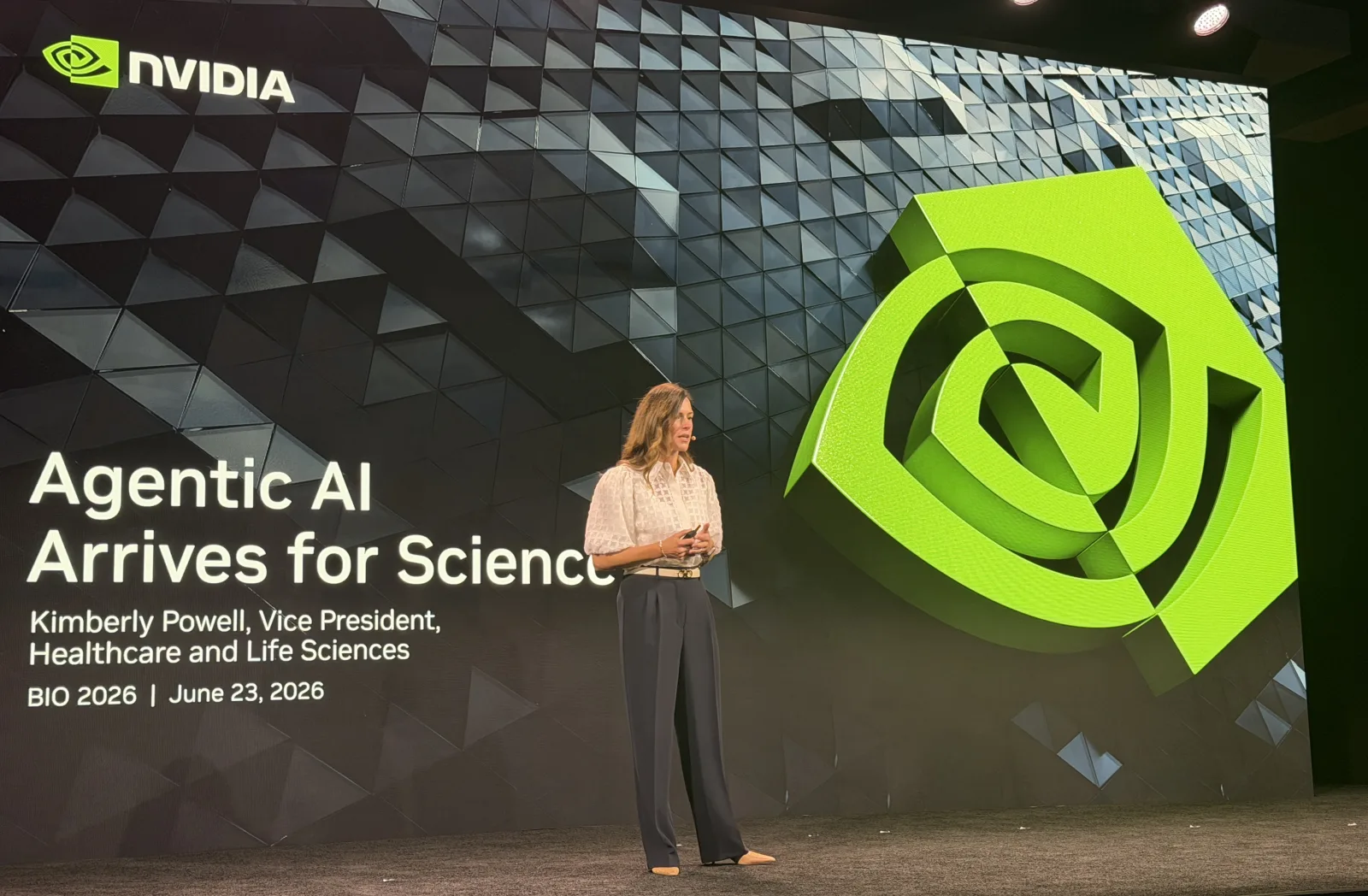
Nvidia’s new BioNeMo Agent Toolkit aims to transform biotech by creating AI agents that handle complex scientific workflows faster and more cost-effectively than traditional tools.

AWS CEO Matt Garman explains how enterprise AI is moving beyond experimentation toward measurable returns, driven by strategic infrastructure and smarter model use.

Meta launches AI-powered smart glasses priced from $299, emphasizing fashion and comfort alongside advanced features to encourage everyday use.