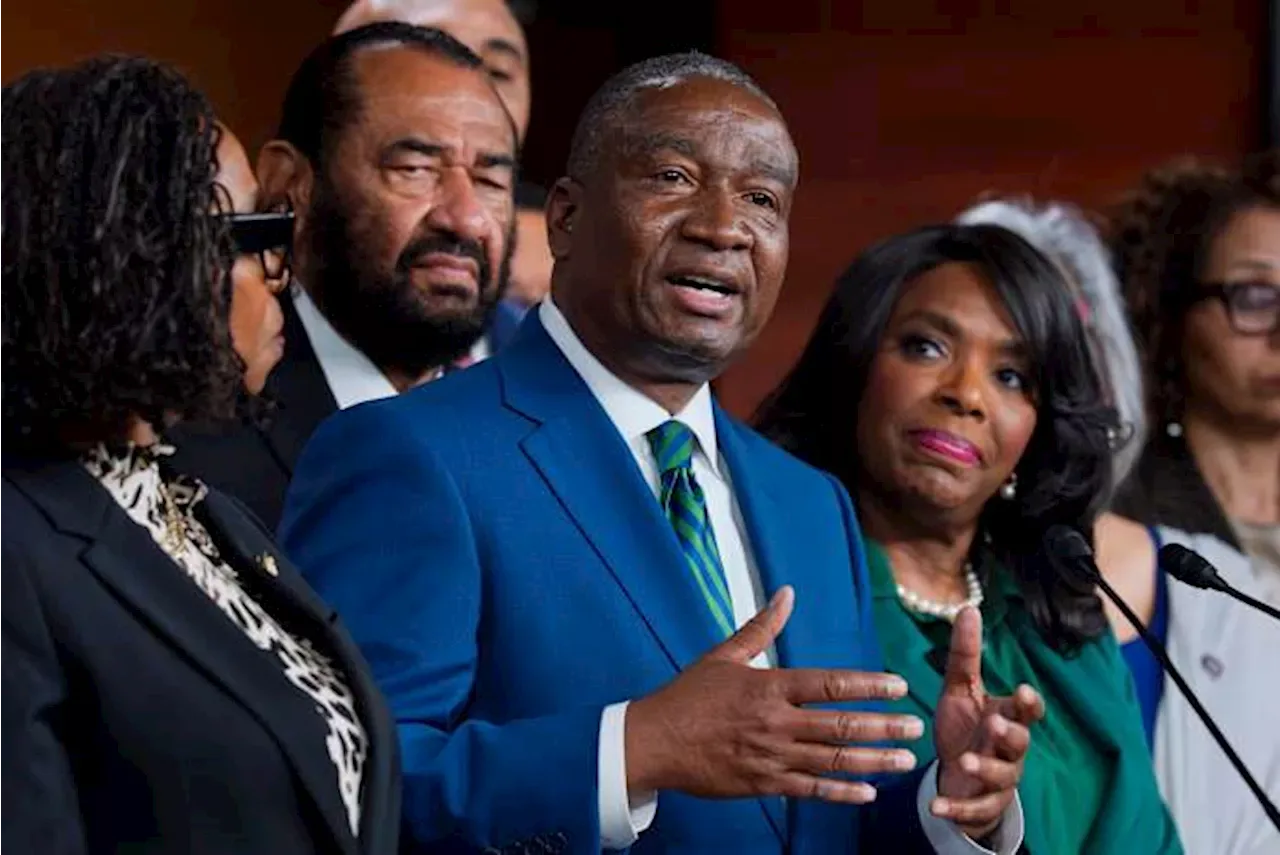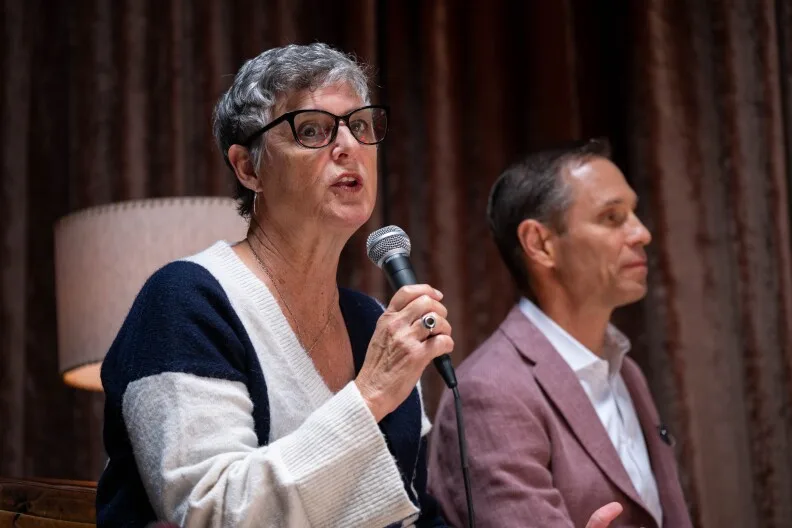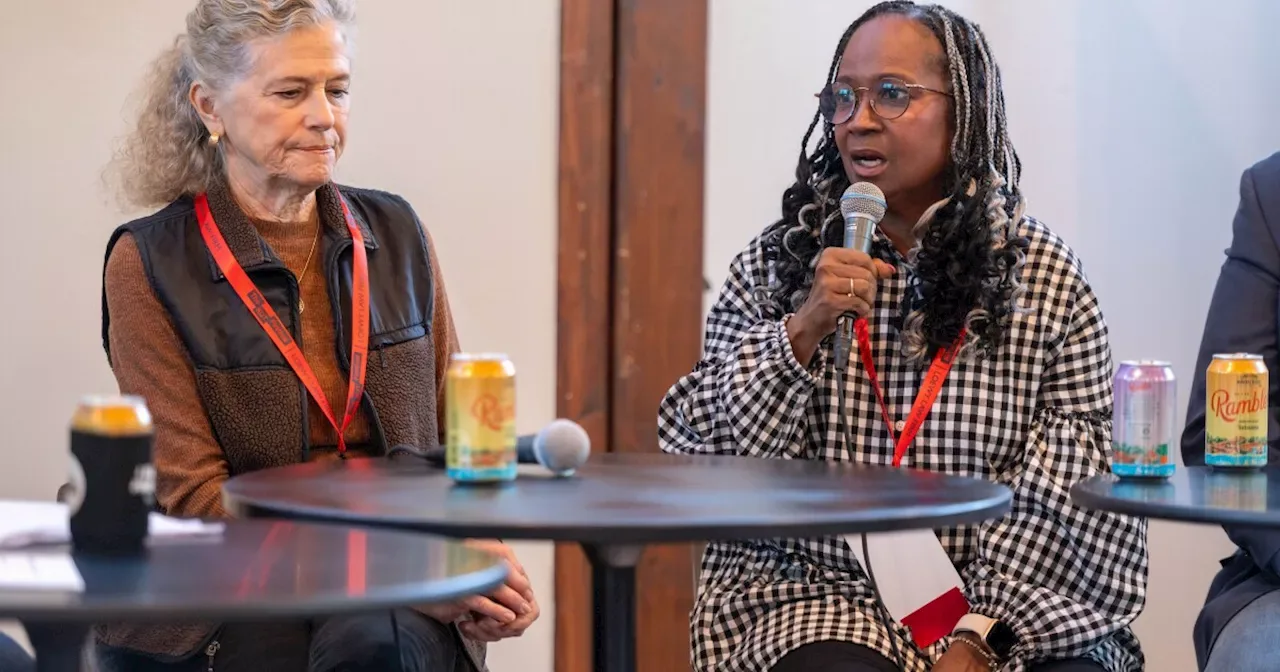
Austin's Democratic delegation to the state House is preparing for what members describe as a defensive posture during the 2025 legislative session, which begins in January. State Representatives John Bucy, Sheryl Cole, Lulu Flores, and Donna Howard outlined their party's challenges at a panel discussion at the KUT Festival on May 2, 2026, flagging redistricting as a critical concern heading into the next session.
A recent U.S. Supreme Court decision has altered the landscape for challenging congressional maps. The ruling requires future legal challenges to electoral maps to demonstrate stronger proof that a state or county intentionally discriminated against voters of color when redrawing political boundaries. The change opens the door for Texas Republicans to pursue another round of congressional redistricting—potentially the third since the 2020 census—during the 2025 session.

Bucy, who represents District 136 in northwest Travis County, characterized Democrats as the minority party in the Texas House working to maintain influence amid shifting state politics. "I think the Democrats, as the minority party, have done a fairly good job as we've seen Texas move more and more like Washington politics of holding on to a voice for the minority party in the Texas House," he said.
Cole, representing District 46, emphasized the stakes. "So we're looking at redistricting, so it really is a crucial session for us to pick up some seats," she stated. The Republicans' successful push for new congressional maps in the previous session has left Democrats concerned about further adverse changes.
The delegation did highlight some legislative wins from prior sessions that benefited the Austin area, including the creation of two new municipal utility districts in Creedmoor and Mustang Ridge, judicial pay raises, and efforts to defend Austin's light rail project. Howard described the light rail victory as significant for both the state and local survivors.
Despite these gains, the Austin Democrats expect the upcoming session to remain adversarial, with numerous bills likely targeting the capital city itself. Flores summed up the defensive approach succinctly: "Sometimes you're just plain old laying your body across the train tracks and hoping to stop that train."