More than 1,500 landlords are pursuing a federal settlement with the Justice Department over losses sustained during the pandemic eviction moratorium, which barred tenant removals for nonpayment of rent from September 2020 through July 2021. The plaintiffs, whose losses range from thousands to over $14.5 million, initially lost their case in the Court of Federal Claims in 2022 but prevailed on appeal. They now seek as much as $1.5 billion in compensation, arguing the Centers for Disease Control and Prevention violated the Fifth Amendment by denying them due process without compensation.
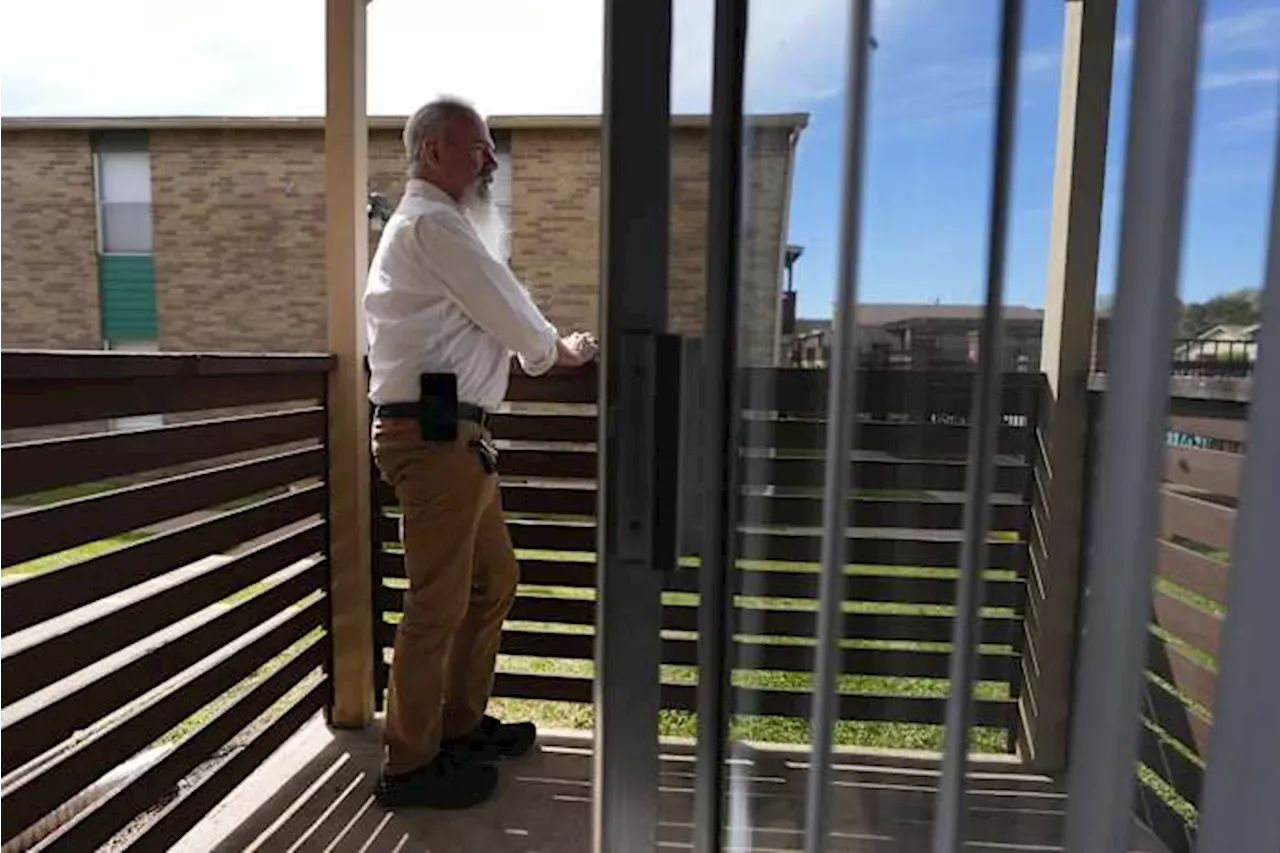
Matthew Haines, a 57-year-old Texas property owner with 240 rental units across Arlington and Irving, lost more than $1 million during the moratorium. He expressed frustration with the CDC's unilateral authority over his business and said he hopes the settlement will vindicate landlords while allowing his investors to recover losses accumulated over six years. The Supreme Court later ruled the CDC lacked authority to impose the eviction ban without congressional authorization, ending the federal moratorium after roughly a year.

Landlords contend the moratorium devastated their operations. Unable to collect rent, many accumulated debt, reduced staff, delayed maintenance, and some sold properties. A survey by the National Rental Home Council found that half of small landlords had tenants who missed rent payments, and a third sold or planned to sell properties. According to the lawsuit, the moratorium and resulting backlog of eviction cases cost owners $57 billion, with more than 10 million delinquent renters in the policy's first four months.
Liz Leone, a Las Vegas property owner with 52 apartments, lost over $250,000 and borrowed $60,000 from the Small Business Administration to survive the period. "I was definitely questioning whether I would survive," she said. States and cities imposed their own moratoriums, which lasted longer than the federal ban because they hold broader regulatory powers than federal agencies.
Housing advocates counter that the moratorium prevented homelessness. A study published in April in JAMA Network Open found that homelessness rose 11 percent in a typical state in 2022 and would have increased 20 percent without state eviction moratoriums. Dulcee Barnes, a 28-year-old who lost her restaurant job in Miami, said the moratorium gave her and her roommates "breathing room" after falling two months behind on rent.
Tenant rights groups argue landlords received compensation through $46.5 billion in federal emergency rental assistance and the ability to sell properties during the moratorium. Landlords, however, say the rental assistance programs were poorly administered, slow to distribute funds, and never fully offset their losses. Some states, including Arkansas and Nebraska, did not accept all available federal funding.
Rick Jones, vice chairman of Management Services Corporation, which owns 4,000 apartment units in Virginia and is party to the lawsuit, said his company lost more than $230,000 in unpaid rent. Five years after the moratorium ended, landlords report lingering effects: they conduct more stringent tenant screenings, require longer eviction timelines, and avoid renting to applicants with problematic rental histories. Haines said he now turns away some low-income applicants he might have accepted before the pandemic, citing the extended time required to evict problematic tenants.