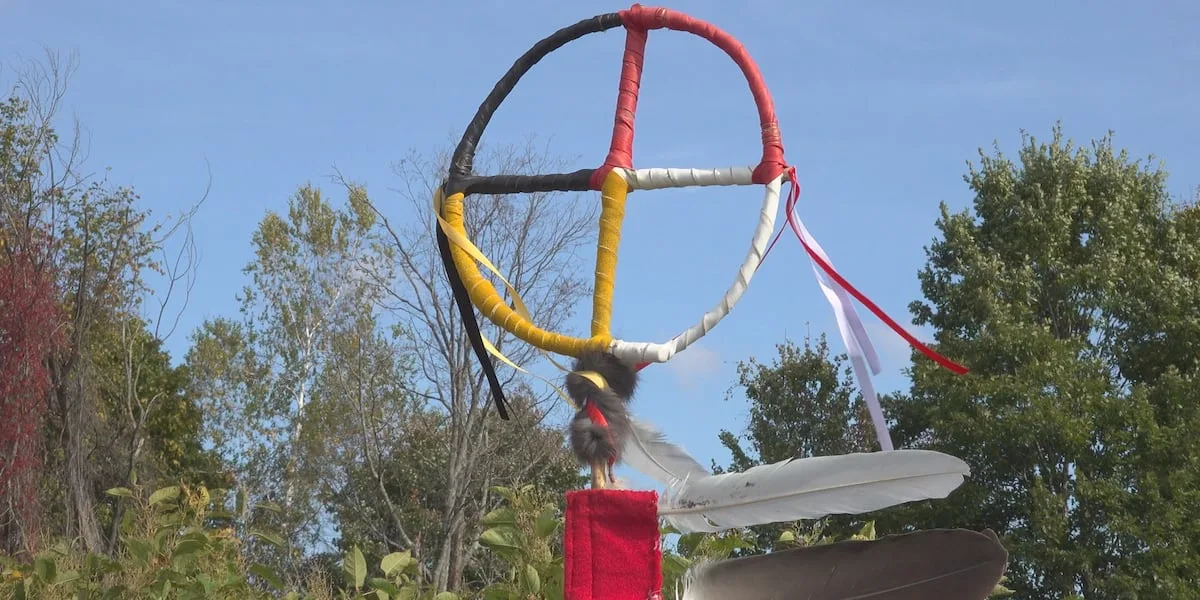
Vermont took a historic step in recognizing the state's Indigenous roots when Governor Jim Douglas signed a law on May 3, 2006, granting official state recognition to the Abenaki people. The legislation came after decades of advocacy and organizing by tribal leaders and community members seeking acknowledgment of their status and heritage.
The Abenaki had pursued recognition at both state and federal levels. However, after the federal government denied federal recognition—a determination that would have allowed the tribe to pursue land claims and establish gaming enterprises—Vermont lawmakers advanced with state-level recognition instead. Douglas characterized the moment as significant for understanding Vermont's identity. "Vermont's history and heritage are very special indeed. History is important to Vermonters because it allows us to understand who we are," he said at the time.

Supporters of the legislation described it as an overdue acknowledgment of the Abenaki as the original inhabitants of what is now Vermont. Advocates emphasized that the recognition represented an important step in preserving Abenaki culture, language, and history within the state.
May 3 also marks another notable date in regional natural history. On May 3, 2003, New Hampshire lost the "Old Man of the Mountain," a distinctive rocky outcropping on Cannon Mountain that resembled a human profile. The granite formation had stood for an estimated 10,000 years before its collapse. The Old Man held profound symbolic significance for New Hampshire, appearing on state license plates, quarters, and numerous official emblems. Its sudden disappearance underscored how even the most enduring natural landmarks remain subject to the forces of geological change and weathering.