

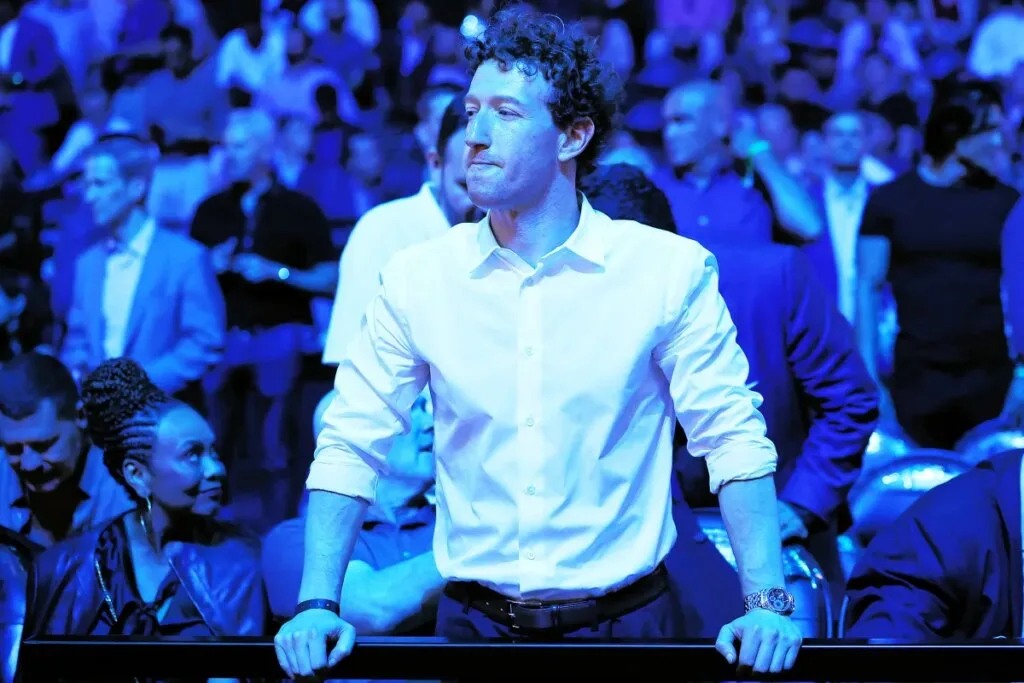
Meta’s workforce continues to grapple with the fallout from a recent wave of extensive layoffs that removed roughly ten percent of its employees. In an effort to revitalize a demoralized staff, Mark Zuckerberg announced a companywide AI hackathon scheduled for July, hoping to foster a sense of innovation and engagement. However, this initiative has faced resistance from employees still coping with increased workloads and uncertainty following the cuts.
The layoffs have left many remaining workers overwhelmed, as they now shoulder additional responsibilities, including routine but time-consuming AI training tasks. Internal communications reveal a workforce struggling to keep operations running amid diminished support, with some employees expressing that participating in events like hackathons feels unrealistic under current conditions. This pushback highlights a disconnect between executive plans and employee sentiment during a turbulent transition.

In addition to the planned hackathon, Zuckerberg offered permanent desks to employees who had been sharing “hot desks,” part of a workspace-sharing policy adopted during previous years. Though intended as a positive step, this gesture inadvertently underscored feelings of disposability among staff. Meta’s challenges extend beyond internal morale: despite heavy investment in AI, the company lags behind competitors in releasing significant advancements, compounding pressure on its workforce.
In his internal message, Zuckerberg acknowledged ongoing difficulties and signaled the company’s intention to avoid further layoffs for the remainder of the year, while admitting that the company has made—and will continue to make—mistakes navigating these changes. The announcement reflects the complex reality of balancing cost-cutting, innovation ambitions, and employee well-being in a highly competitive tech landscape.