

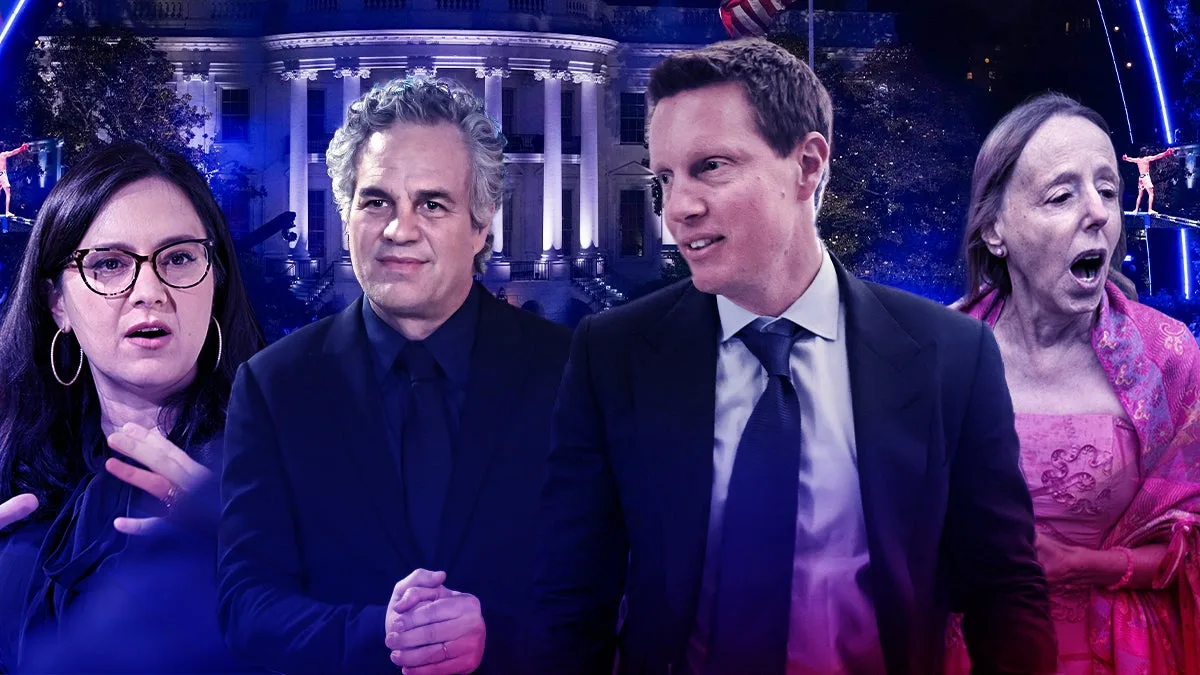
The merger between Paramount Skydance and Warner Bros. Discovery is facing unprecedented political backlash, transforming a corporate deal into a contentious battleground that extends well beyond traditional antitrust debates. Activist groups spanning antiwar and anticapitalist movements, including Codepink, have joined the opposition ranks, injecting ideological and geopolitical grievances into their protests.
Complicating matters, some of these groups reportedly receive funding from progressive organizations such as George Soros’ Open Society Foundation, which critics claim is part of a coordinated effort against the merger. This alliance has pushed the controversy into a volatile sphere where business negotiations are enmeshed with political narratives and broader cultural battles.

Paramount’s Chief Legal Officer, Makan Delrahim, has publicly accused anti-merger factions of harboring antisemitic motives, pointing to the Jewish heritage of the Ellison family, which controls a significant stake in the combined entity. This charge marks a rare instance where a major business transaction is openly linked to issues of ethnic and religious prejudice.
Opponents argue that the Ellisons’ expanding media empire—including ownership interests in CBS News, CNN, and TikTok—poses risks to democratic pluralism and free speech. They fear that such concentration might limit diverse viewpoints and reinforce the influence of billionaire-aligned narratives in public discourse.
From Paramount’s perspective, the acquisition is framed as a necessary intervention to preserve Hollywood’s viability amid challenges like streaming competition and industry disruption. The company insists that the resistance it faces is fueled by far-left political factions seeking to undermine the deal with ideological and racial undertones rather than genuine market concerns.
Historically, media mergers have drawn regulatory scrutiny mostly on economic grounds, such as antitrust viability and consumer impact. Past deals like Disney’s purchase of 21st Century Fox and AT&T’s acquisition of Time Warner faced limited public outcry, largely confined to business analysis. The Paramount-Warner deal diverges sharply from this pattern, influenced by the Ellison family’s political ties and the polarized national climate.
The U.S. Justice Department approved the $110 billion merger swiftly and without restrictions, fueling allegations that the Trump administration favored the deal, given Larry Ellison’s political affiliations. This expedited approval intensified critics’ fears of undue corporate and political consolidation in America’s media landscape.