

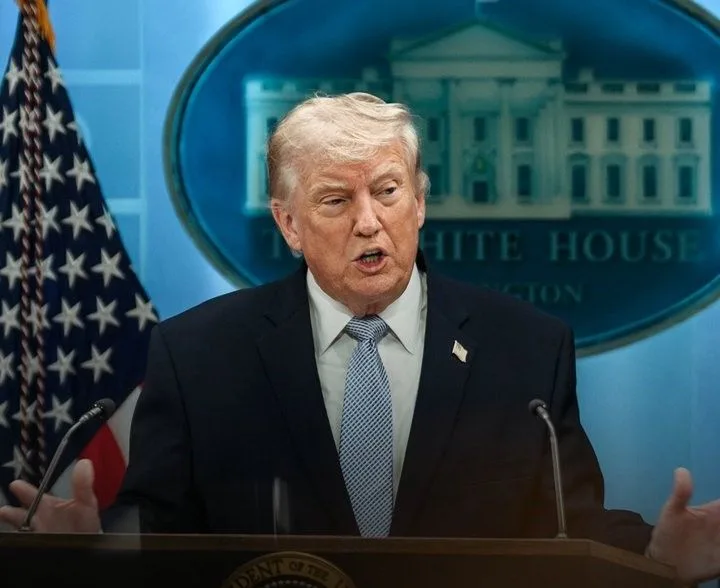
President Donald Trump deferred making a final decision on a proposed deal with Iran following an extensive meeting with his national security advisors at the White House Situation Room. The session, lasting around two hours, concluded without a definitive commitment, signaling continued scrutiny over the terms presented.
The US administration insists that any agreement must align with key American interests and non-negotiable redlines aimed at preventing Iran from acquiring nuclear weapons. Among the explicit demands are the elimination of Iran’s stockpile of enriched nuclear materials and the reopening of the strategically vital Hormuz Strait for free and unrestricted maritime traffic.

Trump highlighted these conditions in a social media post earlier the same day, underscoring the necessity for Iran to permanently forgo nuclear weapons and ensure the Hormuz Strait operates without tolls. Additionally, the US Navy would lift its current blockade, contingent on compliance with these provisions. The removal of any water mines in the region is also part of the demands, as these naval explosives complicate shipping safety.
Detailed plans include joint efforts between the United States, Iran, and the International Atomic Energy Agency (IAEA) to unearth and destroy so-called "nuclear dust," enriched uranium material buried underground following strikes targeting Iran’s nuclear sites. This cooperation is framed as essential for verifying full dismantlement of Iran’s nuclear capabilities.
However, Iranian officials maintain that ongoing talks do not presently cover the nuclear dimension directly, suggesting the negotiations remain narrowly focused. An Iranian Foreign Ministry spokesperson emphasized this point during a televised interview, indicating that broader issues around Iran’s nuclear ambitions may require separate discussions.
This pause in decision-making reflects the complexity of the negotiations and the challenges faced in brokering a deal that satisfies US security concerns while navigating Tehran’s diplomatic posture. The details and timing of any forthcoming decisions remain closely watched by international observers.