

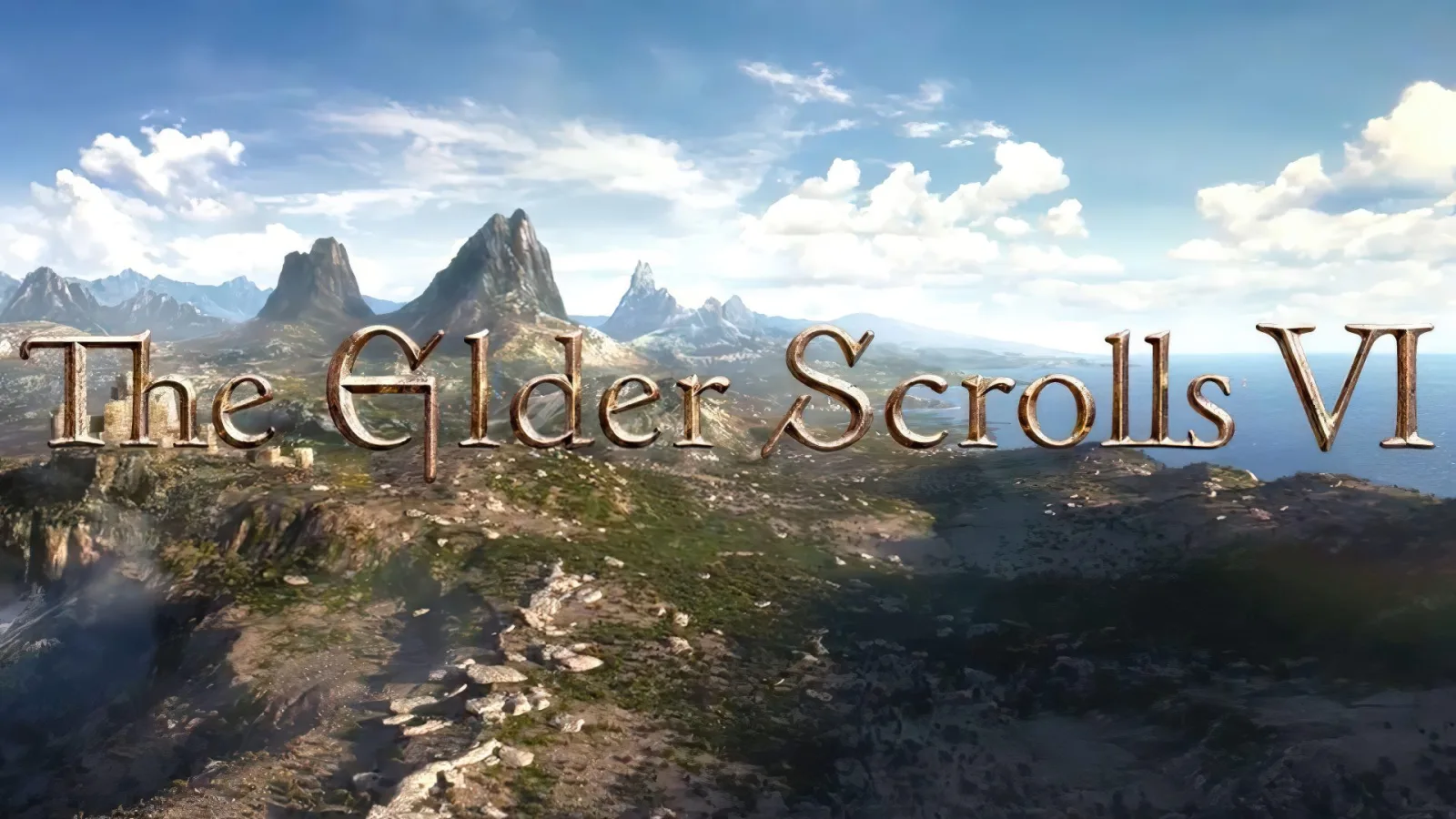
Xbox’s recent layoffs have hit Bethesda Game Studios hard, with the departure of veteran developers raising alarms about the future timeline of The Elder Scrolls VI. Among those let go was a lead character artist with nearly three decades at the studio, whose contributions spanned key franchises like Morrowind, Oblivion, Skyrim, and Fallout. This loss of experienced personnel adds uncertainty to the development of the highly anticipated sequel to Skyrim.
The layoffs extended across multiple disciplines, including programmers, artists, and designers. Sources from inside Bethesda expressed concern that replacing these seasoned employees with cheaper contractors or less experienced hires will create bottlenecks. Because Bethesda’s development tools are proprietary and complex, new staff need extensive onboarding, which could prolong production and increase pressure on existing team members. An internal morale drop reportedly followed the layoffs, with many team members worried about the impact on the studio’s ability to meet deadlines.

ZeniMax Online Studios, responsible for The Elder Scrolls Online, also cut over 200 employees, forcing changes in its roadmap. Meanwhile, Xbox has tasked Obsidian Entertainment with developing a new Fallout game but simultaneously cut substantial staff there and canceled Avowed 2, signaling a troubling pattern across the Xbox game portfolio.
Insiders note that instead of reallocating experienced talent within Xbox’s studios to support Bethesda, leadership opted for layoffs, exacerbating development risks. Contractors already train under pressure, indicating a shift toward outsourcing that could further stretch timelines. While no official release date for The Elder Scrolls VI has been announced, industry speculation now suggests a launch possibly pushed back several years, potentially into 2030.
This wave of layoffs confounds fans and analysts alike, as Xbox’s strategy appears contradictory: betting heavily on flagship Bethesda franchises while simultaneously reducing core veteran teams. The situation leaves the future of some of the industry’s most beloved titles in question amid a climate of uncertainty and staff upheaval.