

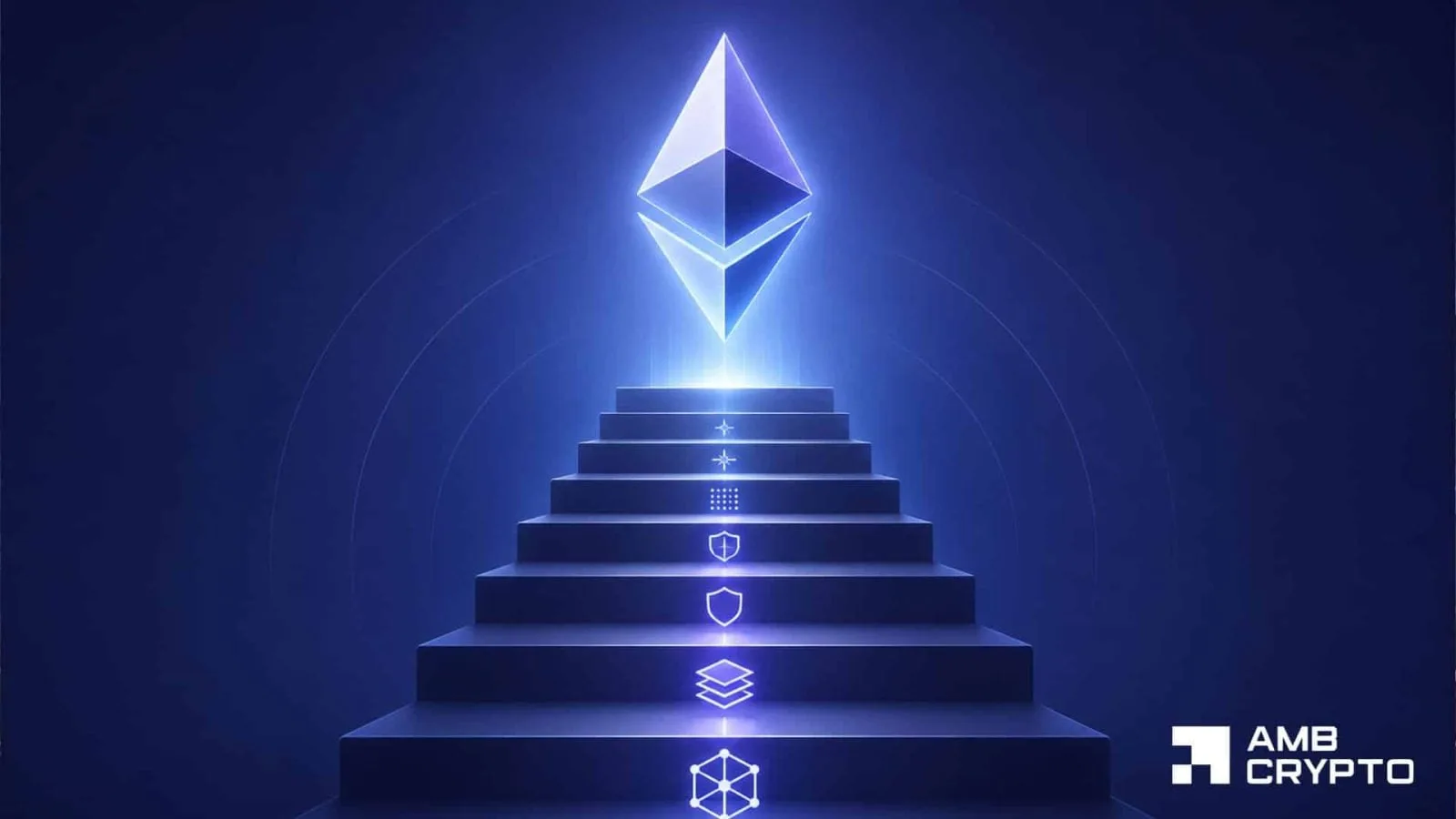
Ethereum is embarking on a comprehensive transformation known as the Lean Ethereum roadmap, designed to gradually replace key elements of its protocol over the next three to four years. This initiative focuses on boosting the network’s scalability, speeding up transaction finality, and strengthening security through advanced cryptographic methods.
Central to the roadmap is the integration of recursive STARKs—a zero-knowledge proof system—quantum-safe cryptography, and multidimensional gas models. These innovations aim to safeguard Ethereum against emerging quantum computing threats while simultaneously reducing transaction costs and increasing gas limits, thus improving overall network throughput.

Development efforts have already begun with the launch of post-quantum (PQ) Devnets to test quantum-resistant protocols while maintaining compatibility with existing wallets. The roadmap also reimagines how Ethereum manages state, employing Verkle trees and state expiration mechanisms to lower validation costs and accelerate node synchronization without compromising decentralization.
One notable milestone preceding the Lean upgrades is the upcoming H-star fork, expected to prepare the network for the extensive changes ahead. Additionally, initiatives like ePBS (Ethereum Protocol Base Simplification) and adjustments to gas limits above 200 million lay the groundwork for the enhanced performance and simplified protocol structure Lean Ethereum envisions.
Overall, the Lean roadmap positions Ethereum for sustained growth and resilience by future-proofing its architecture. By balancing backward compatibility with cutting-edge upgrades, the network aims to maintain its decentralized ecosystem while scaling effectively to meet increasing demand over the coming decade.