

The Federal Communications Commission (FCC) has introduced new cybersecurity regulations aimed at securing the nation’s emergency alert infrastructure and undersea telecommunications cables. The updated rules target vulnerabilities in the Emergency Alert System (EAS) and Wireless Emergency Alerts (WEA), seeking to prevent hijacking attempts that could disrupt critical public warnings.
The EAS and WEA systems are crucial for broadcasting emergency notifications, including weather warnings, AMBER alerts, and other urgent information. The new regulations enforce stronger cyber hygiene standards, requiring participants to adopt robust password policies, promptly install software patches, and deploy firewalls to safeguard their systems. A new authentication ID system will verify alerts before distribution, minimizing risks of unauthorized or duplicate messages that could cause confusion or misinformation during crises.

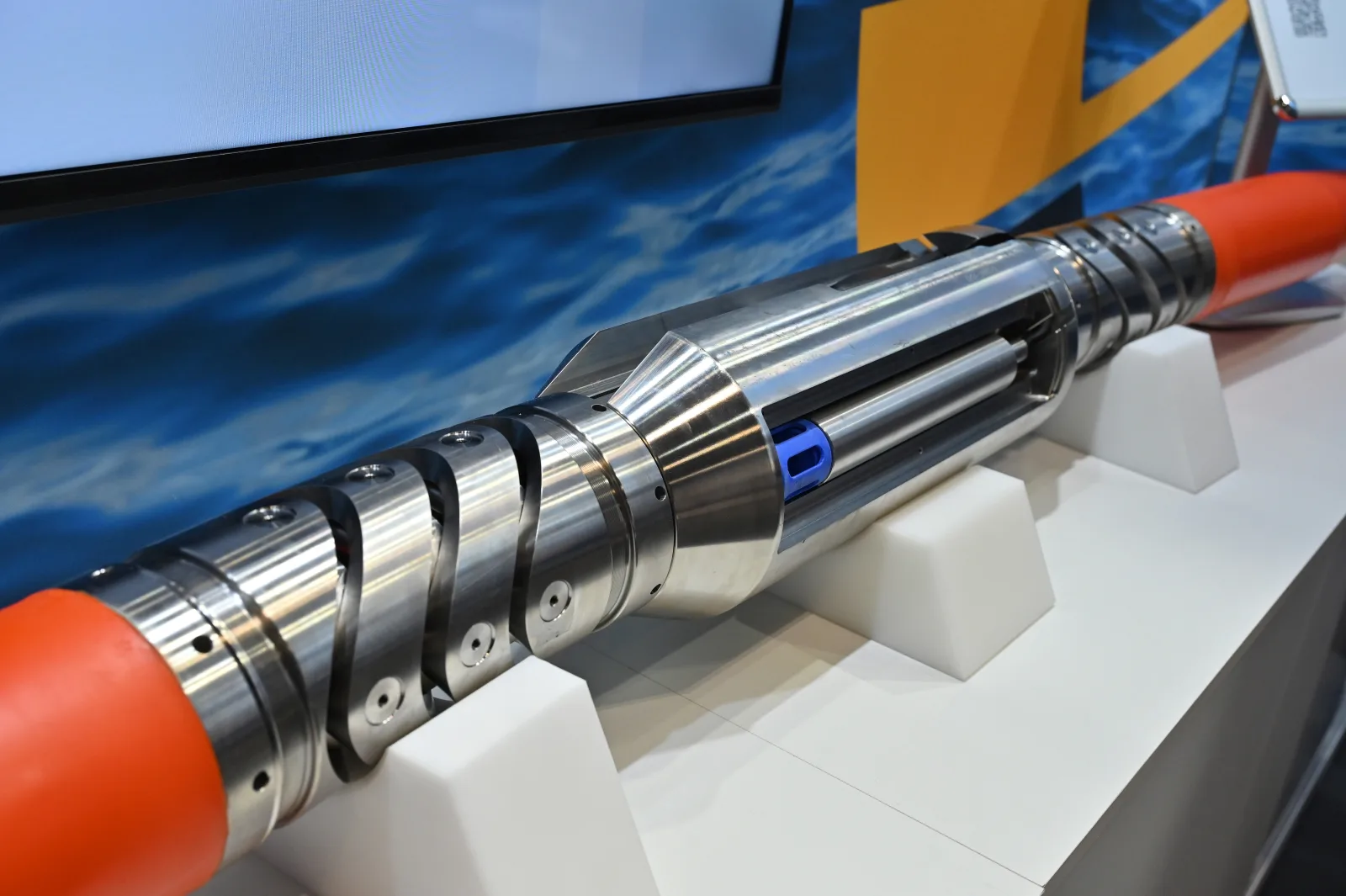
In addition, the FCC has issued its first comprehensive update in decades to federal regulations overseeing undersea cables, which are critical to global internet and communications infrastructure. These cables are vulnerable to sabotage or espionage, making their security a national priority. The updated rules impose stricter security review requirements for cable providers, aimed at preventing foreign interference and ensuring the resilience of this vital infrastructure.
The FCC’s move reflects rising concerns over the cybersecurity of both emergency communication frameworks and undersea cable networks amid growing geopolitical tensions and increasing cyber threats. Enhanced protections are intended to maintain trust in public warning systems and safeguard the physical and digital infrastructure underpinning U.S. communications.