

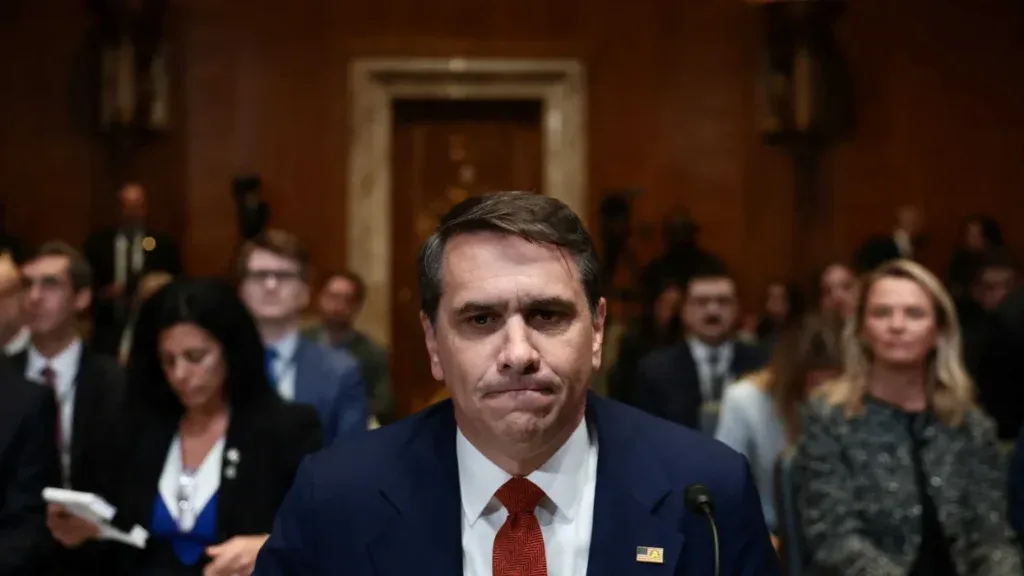
A federal judge appointed by former President Trump has blocked a Justice Department subpoena aimed at obtaining the personal information of election workers in Fulton County, Georgia. The ruling marks an uncommon judicial rebuke of prosecutorial authority in a case tied to investigations around the 2020 election.
According to a former federal prosecutor, such as Elie Honig, court resistance to subpoenas from prosecutors is highly unusual, underscoring the exceptional nature of the judge’s decision. Generally, prosecutors enjoy broad latitude to subpoena documents or information they deem relevant, with blocks occurring only in cases lacking any chance of criminal charges or based on improper motives.

In this instance, U.S. District Judge William M. Ray II concluded that the subpoena’s underlying investigation was too outdated to proceed. Since nearly all federal offenses linked to the 2020 election fall outside the five-year statute of limitations, the judge found “no possible way” to justify a valid criminal inquiry nearly six years after the events, leading to the subpoena’s dismissal.
This refusal is not an isolated phenomenon. Recent months have seen multiple district court judges halt subpoenas related to politically sensitive investigations by the Justice Department. Experts interpret this pattern as evidence that federal prosecutors may be exceeding their discretion in pursuing cases connected to the former administration’s election challenges.