

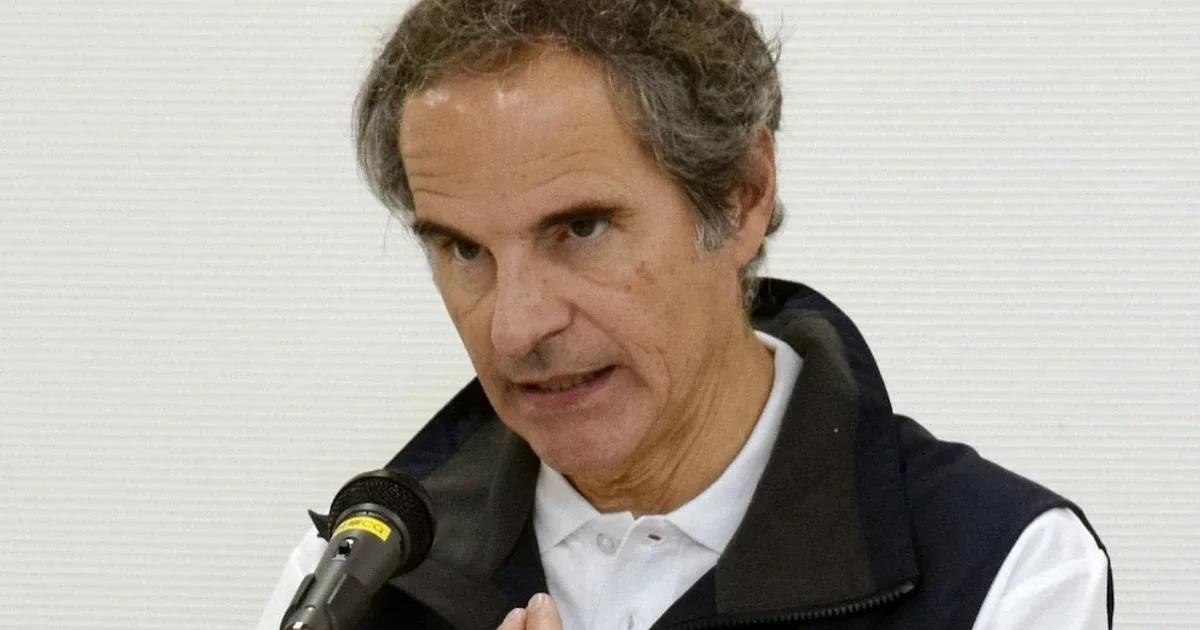
The International Atomic Energy Agency (IAEA) announced its intention to resume inspections at Iran’s nuclear sites to verify uranium inventories and gauge the extent of damage caused by the strikes in June 2025. While an agreement between the agency and Iran marks a step toward restoring oversight, the IAEA emphasized that effective verification depends on unrestricted access to critical facilities.
IAEA chief Rafael Mariano Grossi stressed that physical entry to the sites is essential to confirm the status of more than 400 kilograms of uranium enriched to 60 percent, a stockpile last verified days before the attacks. This material remains a focal point of international concern, as the strikes disrupted safeguards inspections for the first time since Iran adopted its Comprehensive Safeguards Agreement with the agency.

The damage caused by the attacks affected key nuclear locations, including Natanz, Fordow, Esfahan, and Arak. Particularly at Esfahan, the agency reported additional harm to underground areas and tunnel entrances, raising doubts about the ability to fully assess the nuclear program from external monitoring alone. These developments underscore ongoing tensions in balancing verification efforts with political constraints.
In September 2025, Grossi and Iranian Foreign Minister Abbas Araghchi formalized practical arrangements in Cairo to facilitate the return of IAEA inspectors. Despite this progress, Iran’s legislative moves to limit access to military sites and sensitive personnel during negotiations reveal persistent obstacles in ensuring comprehensive inspection regimes. This tug of war highlights how the ability to enforce verification protocols remains crucial to any meaningful agreement on Iran’s nuclear program.