

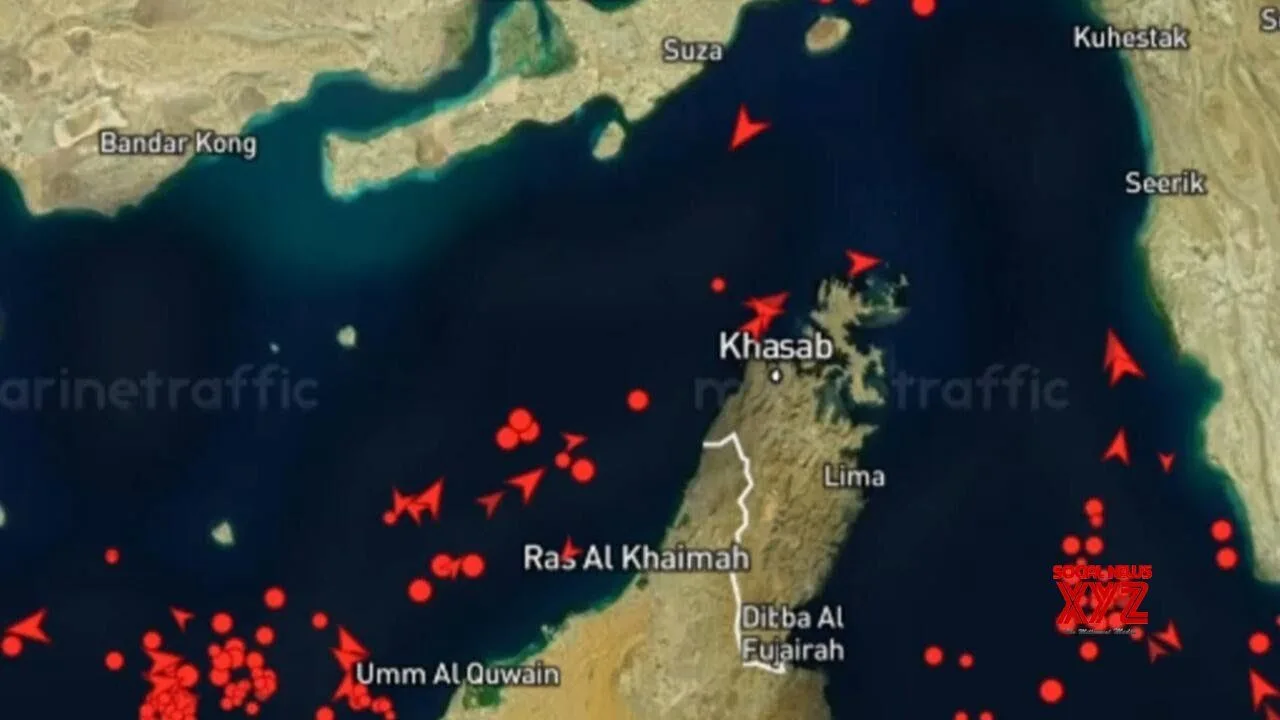
Iran fired a projectile at a cargo ship transiting the Strait of Hormuz, a key international waterway connecting the Persian Gulf to the Gulf of Oman. This incident occurred amid ongoing debates over charges imposed on vessels navigating the strait, a passage responsible for a significant portion of global oil shipments.
The attack underscores the persistent volatility in the region, where geopolitical tensions frequently impact maritime security. The Strait of Hormuz is a narrow channel that serves as a strategic chokepoint for international trade, especially energy exports from Gulf countries. Iranian authorities have previously asserted control over transit fees, fueling disputes with global shipping powers concerned about freedom of navigation.

Experts, including former intelligence and military analysts, highlight the risk that such aggressive actions might escalate into broader confrontations, disrupting vital shipping routes. The attack on the cargo vessel raises questions about how Iranian policies on fees and maritime enforcement might complicate commercial shipping operations and international diplomatic relations.
Maritime experts emphasize the importance of secure passage through the Strait of Hormuz for the stability of global energy markets. This strike adds to a series of similar confrontations that have periodically destabilized the region and drawn international condemnation.