

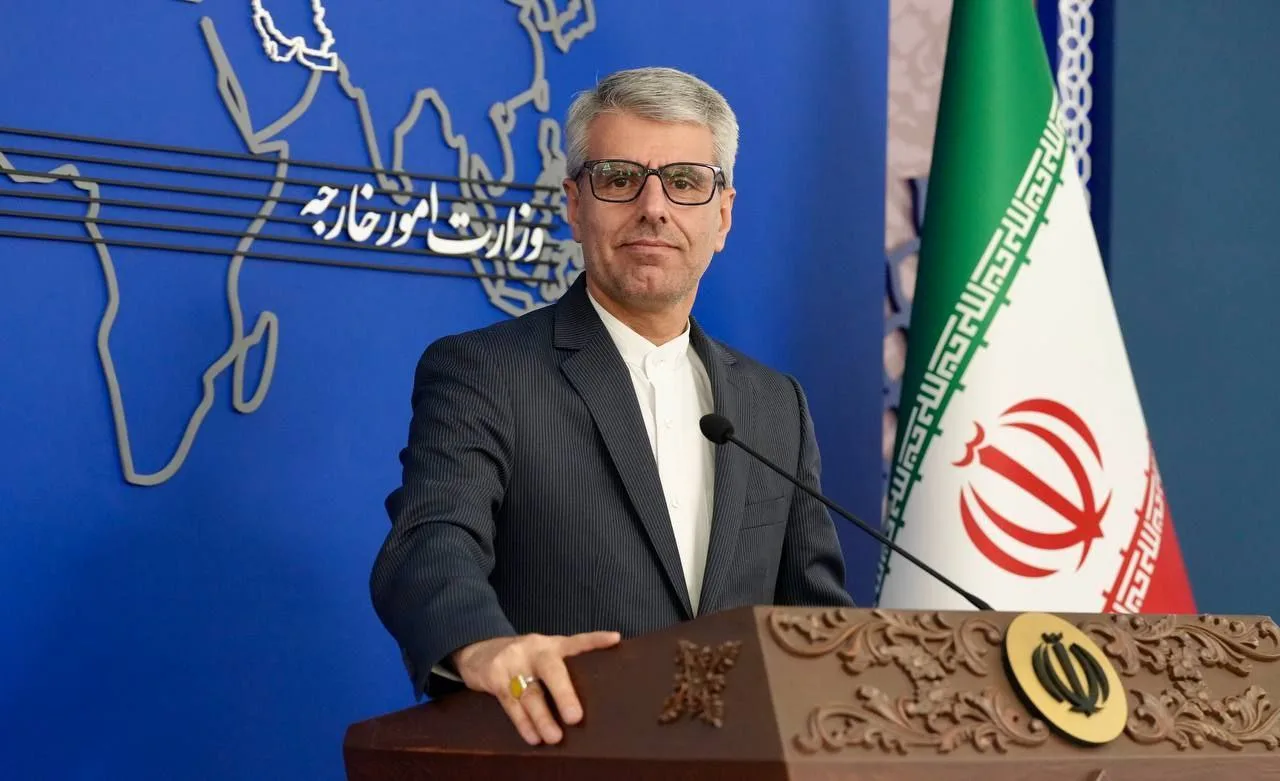
Iran has demanded that the International Atomic Energy Agency (IAEA) and its Director General, Rafael Grossi, officially acknowledge the impact of military airstrikes on the country’s nuclear facilities. The Iranian Foreign Ministry spokesperson, Esmail Baghaei, criticized the agency for not addressing the disruptions caused by these attacks, which originated from the United States and Israel.
Baghaei emphasized that Iran’s nuclear program remains under constant and comprehensive IAEA oversight, maintaining its peaceful nature. However, he pointed out that the recent U.S. and Israeli airstrikes have complicated the agency’s inspection process. He argued that neither the IAEA nor its leadership has condemned these attacks, which damages the agency’s credibility and undermines its role.

The Iranian official insisted the only way for the IAEA to restore trust is to explicitly condemn the military actions against Iran's nuclear infrastructure and implement measures to prevent similar incidents in the future.
The backdrop to these accusations includes a series of escalating tensions that began with U.S. and Israeli airstrikes in late February. Iran responded with missile and drone attacks targeting American and Israeli locations in the region. This cycle of retaliation led to a temporary ceasefire brokered by Pakistan in early April.
Despite these efforts, talks between the U.S. and Iran in Islamabad failed to reach an agreement, with both sides unable to bridge their differences. Consequently, the ceasefire was extended while negotiations remain stalled, pending Iran’s submission of a formal proposal.