

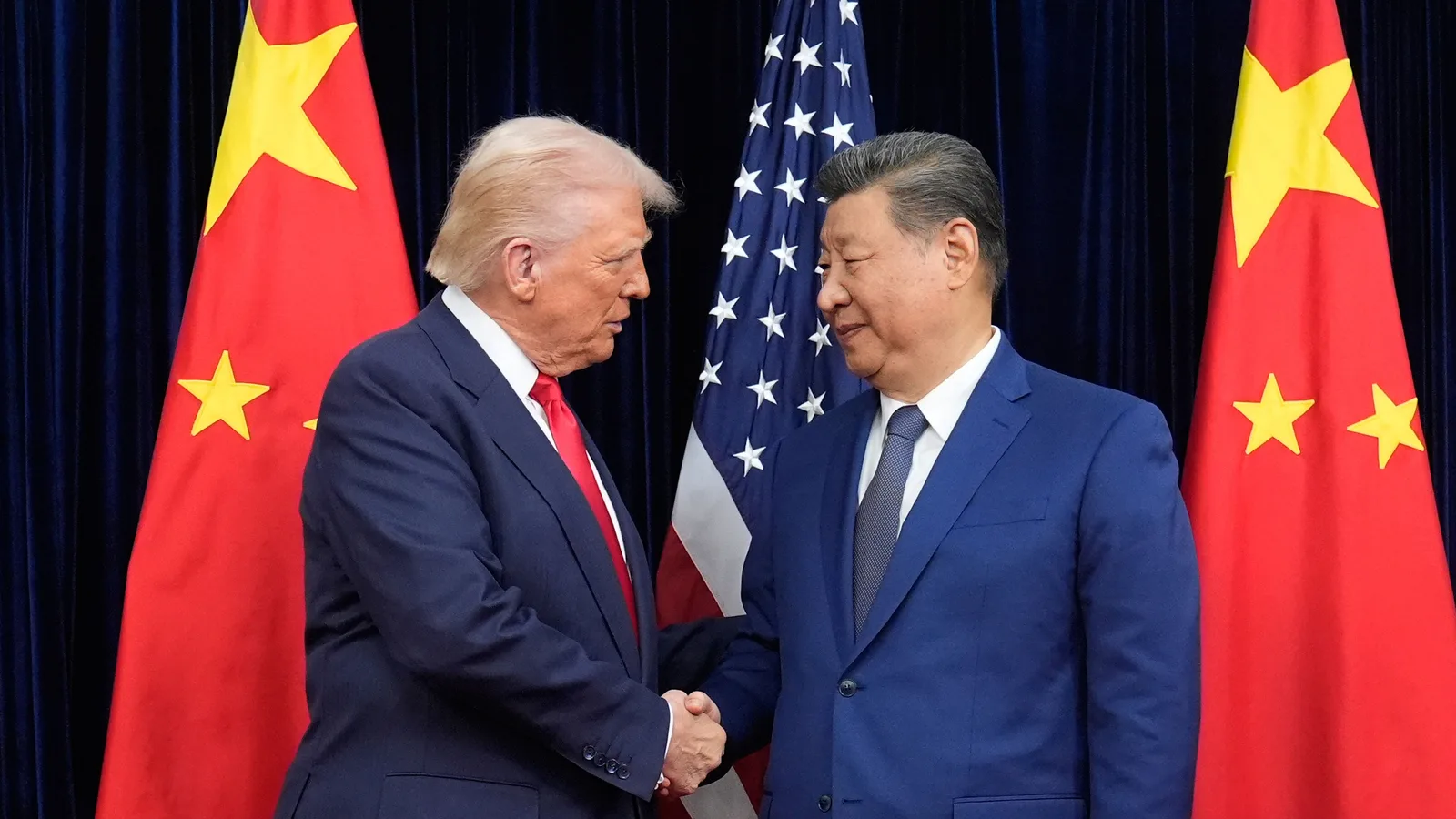
President Donald Trump’s approach to Taiwan has exhibited a complex mix of support and transactional rhetoric as he prepares for a summit with Chinese President Xi Jinping. While Washington authorized its largest-ever arms sale to Taiwan in December, valued at $11 billion, the delivery of these weapons has yet to move forward. Trump has openly discussed this sale with Xi and has suggested that Taiwan owes the U.S. for military protection, indicating an unconventional posture that diverges from traditional U.S. support for the island democracy.
Trump’s recent demands also extend beyond defense. He has pressured Taiwan to invest heavily in U.S. semiconductor manufacturing and to purchase substantial volumes of American liquefied natural gas and crude oil, leveraging threats of tariffs to extract economic concessions. This strategy has stirred speculation in Beijing, Taipei, and Washington about whether Trump might be willing to adjust longstanding U.S. policies toward Taiwan—potentially treating the island as a bargaining chip in broader Sino-American negotiations.

Concerns have mounted among Taiwan’s supporters, who fear a transactional deal could undermine U.S. commitments. Retired U.S. Navy Rear Admiral Mark Montgomery, affiliated with the Foundation for Defense of Democracies, voiced apprehensions that Trump’s deal-driven style could jeopardize Taiwan’s security. These worries echo as Chinese officials have signaled their intent to prioritize Taiwan in the upcoming summit discussions. Chinese Foreign Minister Wang Yi reportedly urged Secretary of State Marco Rubio to encourage the U.S. toward policies that would ensure “stability” and avoid provocations related to Taiwan.
However, top U.S. officials have maintained that official policy remains unchanged. Rubio confirmed that the U.S. opposes any forced alteration of Taiwan’s status, emphasizing that such actions would threaten global stability. Though Taiwan will not be a central topic of the summit, it is expected to be addressed during the talks. White House sources highlighted that in the first year of Trump’s second term, military sales to Taiwan—in excess of $330 million in aircraft parts and other equipment—have already surpassed the total approved by the previous administration over four years.
Tensions surrounding Taiwan continue to highlight the delicate balance between economic negotiations and security commitments at the heart of U.S.-China relations. How Trump’s mixed messaging will influence the future of Taiwan’s defense remains a critical question as he meets with Xi Jinping.