

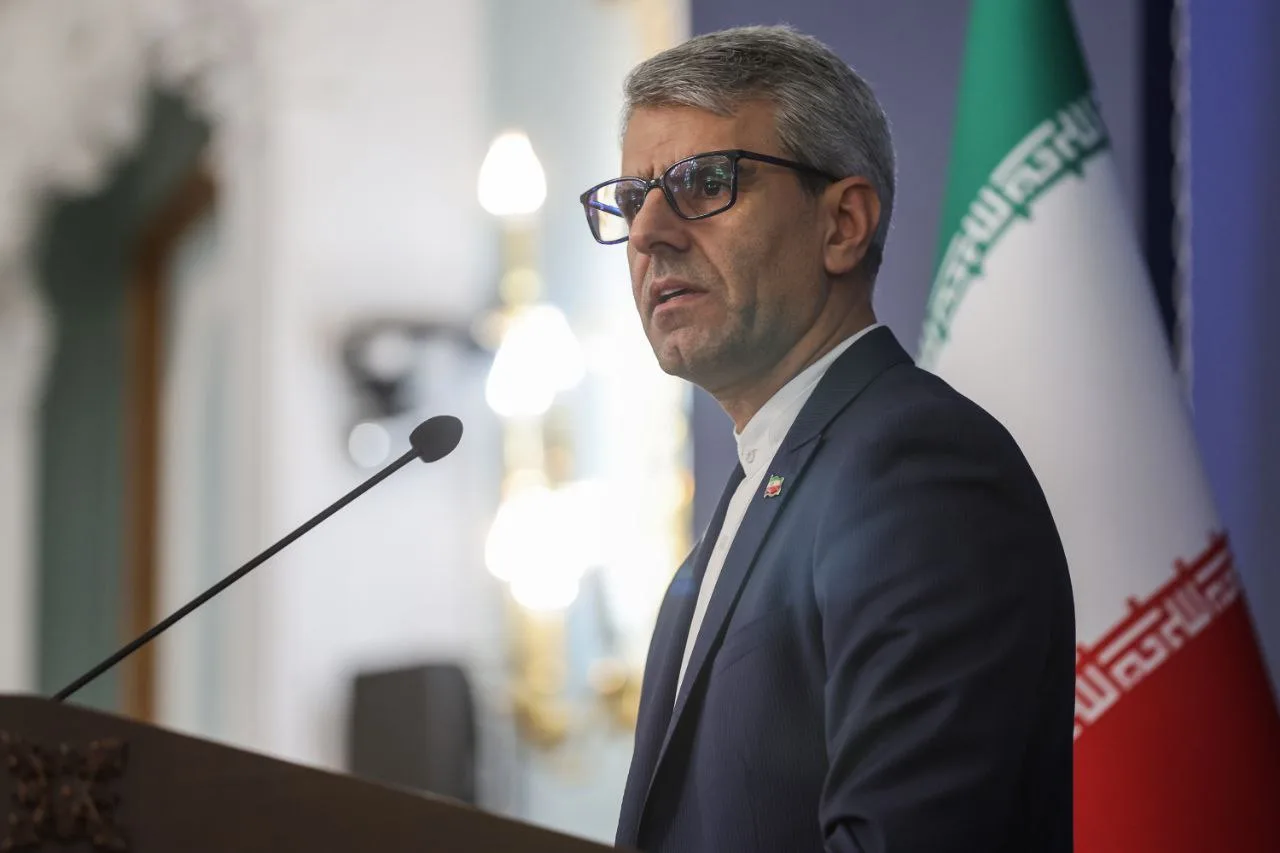
Iran has identified ending all forms of war and promoting regional stability as its foremost priorities, according to a recent statement from the country’s Foreign Ministry spokesperson Esmail Baghaei. Highlighted among Iran’s concerns are the situations in Lebanon, the Persian Gulf, and the strategic Strait of Hormuz, along with the pressing issue of halting what Iran describes as illegal United States actions against merchant vessels in the region.
The emphasis on these issues reflects Tehran’s aim to keep critical regional concerns under continuous international scrutiny. This stance follows a period marked by growing tension after stalled nuclear negotiations with the United States. These diplomatic deadlocks contributed to a sharp escalation in hostilities in late February, when US and Israeli forces launched airstrikes targeting Iranian assets.

In response, Iran retaliated with missile and drone strikes against US and Israeli military installations across the wider Middle East, signaling a dangerous intensification. Efforts to calm tensions led to a brokered two-week ceasefire in early April, mediated by Pakistan. However, talks to extend and solidify the truce faced hurdles, as no agreement was reached during a subsequent meeting in Islamabad between US and Iranian officials.
Following the unsuccessful negotiations, the US extended the ceasefire under the condition that Iran would present its proposal for resolving outstanding issues and that negotiations would continue toward a conclusion. Throughout this volatile period, Iran continues to advocate for its priority objectives centered on peace, security, and curtailing foreign interference in regional maritime activities.