

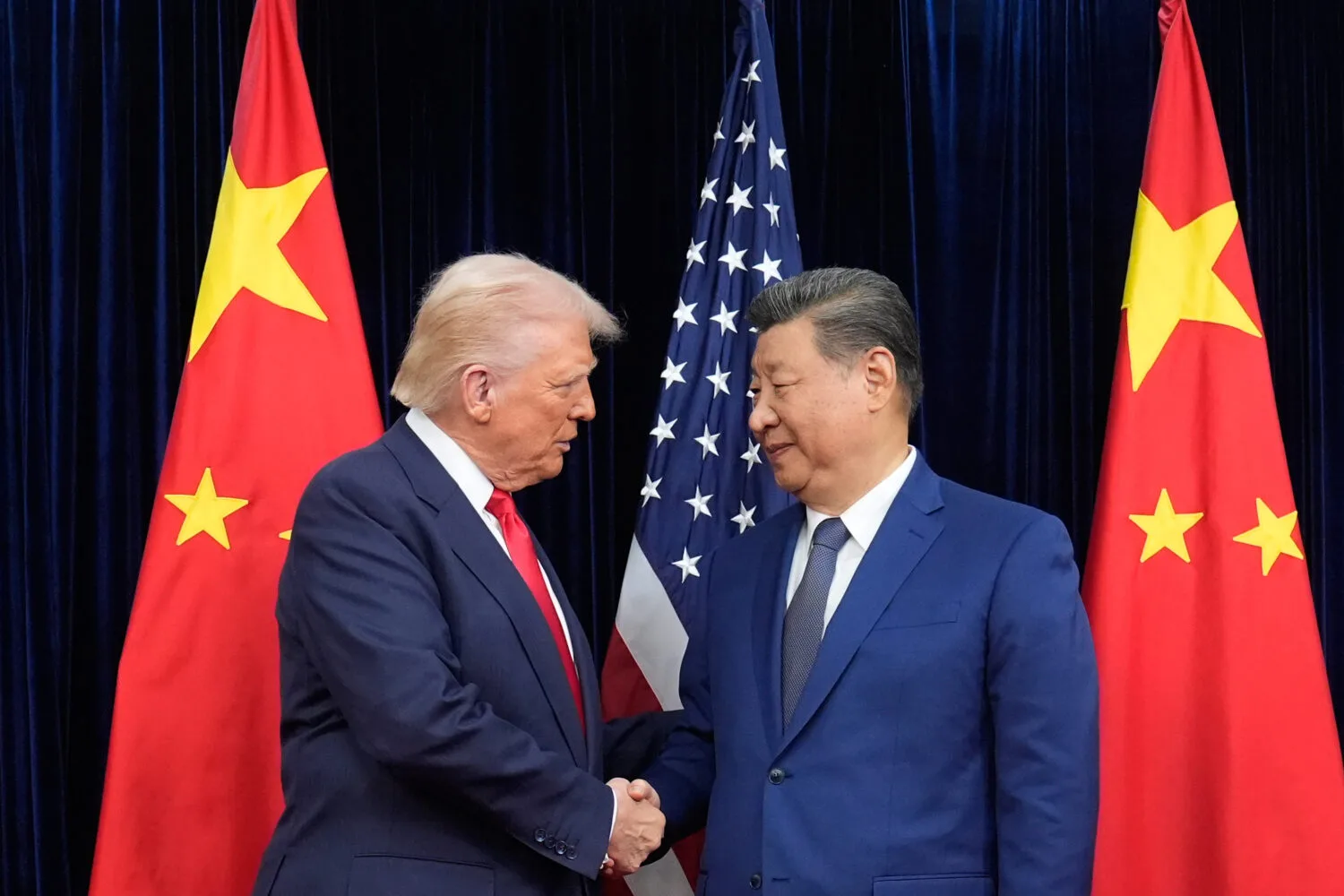
The upcoming summit between President Donald Trump and Chinese President Xi Jinping casts a spotlight on Taiwan’s precarious position as a democratic island claimed by China. Despite approving a record arms sale to Taiwan, Trump’s hesitation to finalize the deliveries and his critical stance toward Taipei’s economic practices have raised doubts about Washington’s steadfastness in defending the island.
Trump authorized an $11 billion weapons package to Taiwan last December—the largest in history—but has yet to proceed with its distribution. Meanwhile, he has openly discussed the arms deal with Xi and criticized Taiwan for “stealing” American semiconductor business. The US president has also urged Taipei to invest heavily in US semiconductor plants and to purchase substantial quantities of US liquefied natural gas and crude oil, intertwining economic leverage with security support.

These moves have triggered speculation across Beijing, Taipei, and Washington about whether the US might reduce its longstanding military and diplomatic commitment to Taiwan. Observers express concern that Trump’s transactional approach to international relations could lead to Taiwan’s security being negotiated away in exchange for economic or political gains during the summit.
The Chinese side has made no secret of its intent to spotlight Taiwan in the talks. Chinese Foreign Minister Wang Yi addressed Taiwan directly in a call with US Secretary of State Marco Rubio, urging Washington to “make the right choices” to maintain stability. Rubio, however, reaffirmed that US policy towards Taiwan remains unchanged and emphasized that any forced alteration would destabilize global security.
White House officials highlight that Trump has authorized more military sales to Taiwan in the first year of his second term than former President Joe Biden did over four years. In addition to the arms package, Trump also approved $330 million in aircraft parts for Taiwan’s military last November. Under pressure from Washington, Taiwan’s legislature recently cleared $25 billion in arms acquisitions after months of deadlock, though this fell short of a previous $40 billion request.