

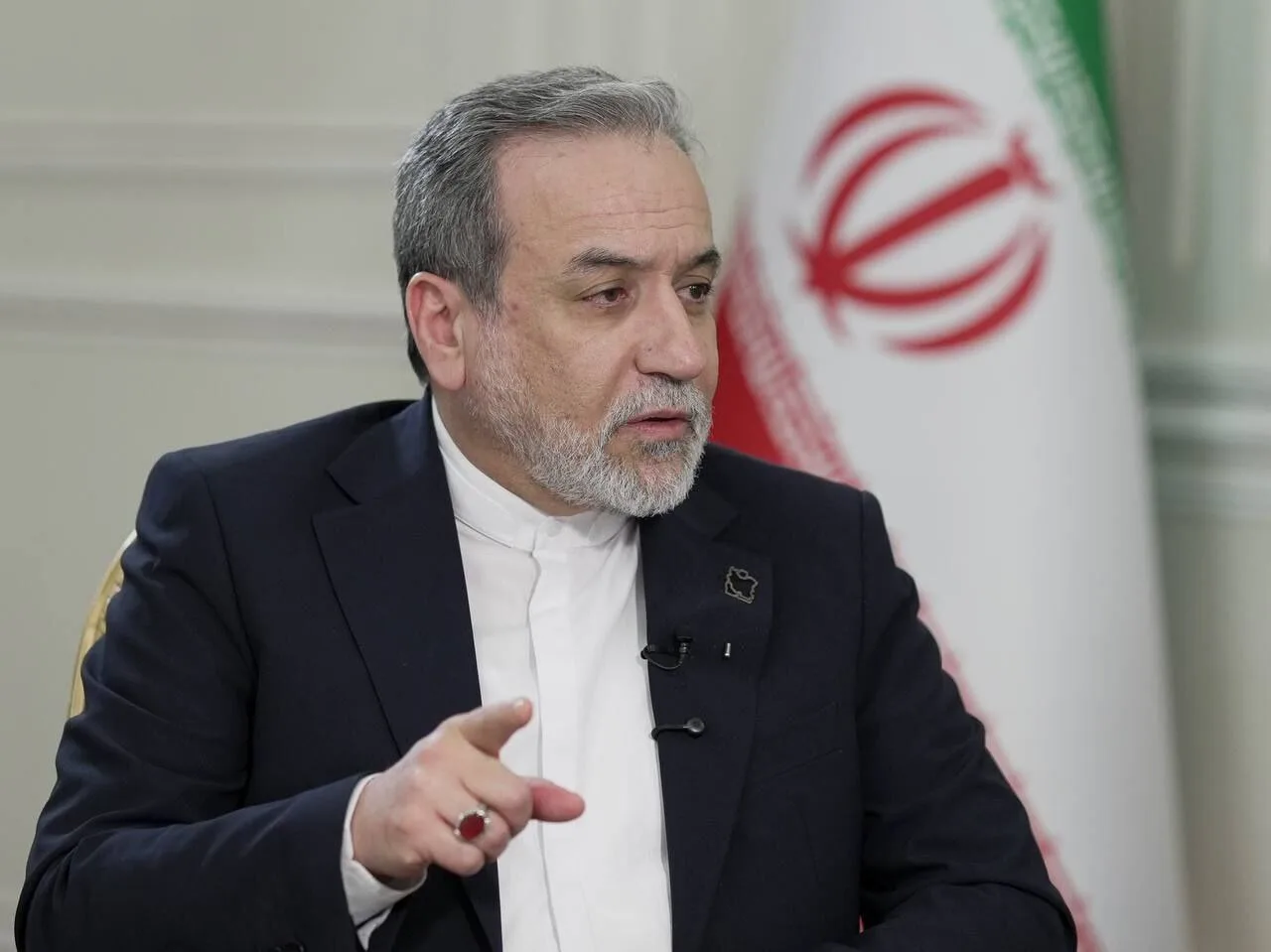
Iran insists that nuclear negotiations cannot advance while threats against the country persist, urging its counterpart to respect previously signed commitments. The Iranian Foreign Minister highlighted that dialogue requires trust anchored in mutual respect for obligations.
Amid escalating tensions following military airstrikes by the U.S. and Israel earlier in the year, Iran responded with missile and drone strikes targeting regional installations. These hostilities intensified the standoff, complicating diplomatic efforts. A ceasefire brokered by Pakistan temporarily halted open conflict, leading to a peace memorandum signed in June by leaders from both nations.

The memorandum, which took effect immediately after signing, set the stage for the first round of formal talks in Switzerland, mediated by Pakistan and Qatar. Despite these developments, Iran’s official stance remains firm, stressing that threats undermine negotiations and reaffirming national resilience bolstered by widespread public support.
In a notable display of unity, millions gathered in Iran to honor the late Supreme Leader, Ayatollah Seyyed Ali Khamenei. The farewell ceremonies reflect deep national reverence and the enduring influence of his legacy on Iran’s political and social fabric. His funeral is scheduled to take place shortly in Mashhad.