

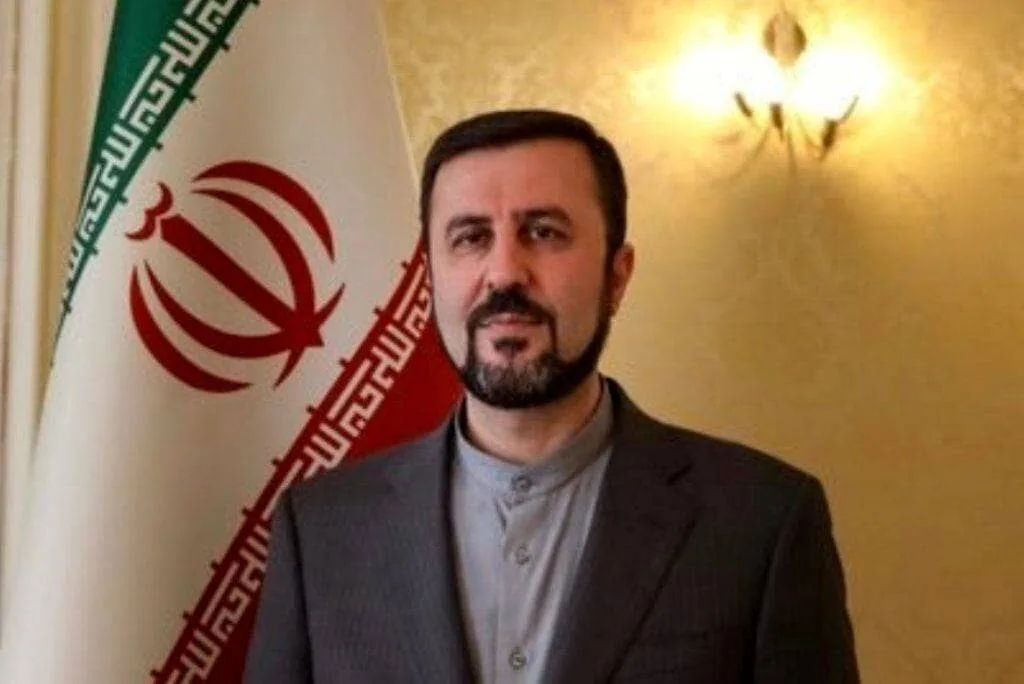
Iran firmly rejected any program allowing external access to its nuclear facilities damaged during recent US and Israeli airstrikes, emphasizing that such inspections are only possible within a comprehensive final agreement framework. This statement came from Iranian Deputy Foreign Minister Kazem Gharibabadi, who clarified the country’s position on nuclear site oversight amid ongoing tensions.
The deputy minister emphasized that tangible progress in ending hostilities and lifting sanctions is essential before Iran would consider addressing issues related to the impacted nuclear locations. According to Gharibabadi, practical steps by opposing parties to halt the war and remove restrictions would pave the way for investigations into the attacked nuclear materials and facilities.

Despite a call from the International Atomic Energy Agency's Director General Rafael Grossi for dialogue during his visit to Switzerland, no official meetings have taken place between Iranian representatives and the agency.
Earlier this year, the fragile nuclear negotiations between the US and Iran deteriorated, triggering a series of military strikes. In late February, the US and Israel targeted Iranian nuclear sites, which Iran responded to with missile and drone attacks against US and Israeli positions in the region. External mediation efforts, led by Pakistan, brokered a brief ceasefire in April and facilitated a peace memorandum signed on June 18 by Iranian President Masoud Pezeshkian and US President Donald Trump, which entered into force the following day.
The initial talks under this agreement convened in Switzerland on June 21, mediated by Pakistan and Qatar, but substantive breakthroughs on nuclear access remain elusive.