

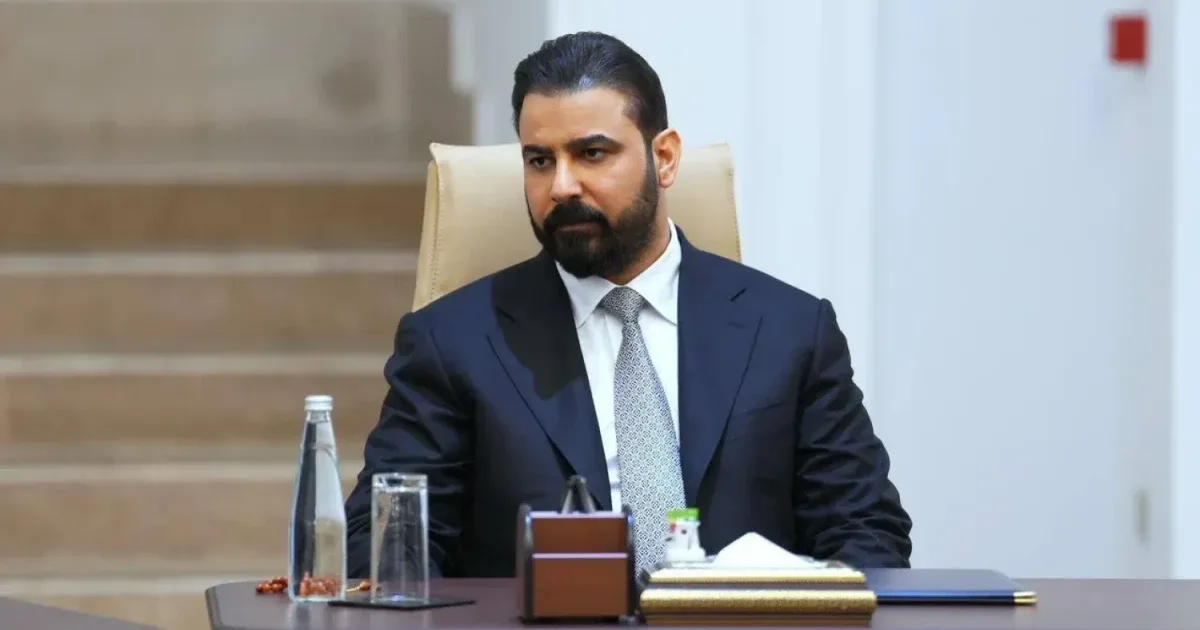
Iraq’s newly installed prime minister has taken tangible steps to assert government control over Iran-backed militias, signaling a strategic push to unify armed groups under state command. This move represents a critical test for Baghdad as it tries to manage militias that have long operated with considerable autonomy.
Negotiations have commenced with two prominent militias, Asaib Ahl al Haq and Kataib Imam Ali, both of which have pledged to sever their ties with the Popular Mobilization Forces (PMF) and submit their weapons to state oversight. The prime minister’s office announced plans to establish a joint committee responsible for disentangling these groups from the PMF and formalizing the state's monopoly on arms. This initiative follows an earlier decision by influential militia leader Muqtada al Sadr to dissolve Saraya al Salam and place its arsenal under government control.

The Popular Mobilization Forces, a coalition of roughly 70 militias formed in 2014 to combat the Islamic State, remain a focal point of Iraq’s security dilemma. Although legally recognized as part of the national security architecture, many factions within the PMF retain close ties to Iran and challenge the government's authority. Several influential militia groups affiliated with the PMF have been designated as terrorist organizations by the United States, complicating Iraq's efforts to navigate domestic and international pressures.
Baghdad faces significant obstacles as Iranian networks exert strong influence over militia commanders who may resist relinquishing autonomy. Meanwhile, the approaching conclusion of the U.S. anti-Islamic State mission further intensifies the urgency for Iraq to consolidate control ahead of increased strategic uncertainty. Analysts caution that, despite recent pledges, efforts to transfer real authority over militia weapons risk remaining largely symbolic unless backed by effective enforcement.
The formation of the committee marks a crucial political and security development as the Iraqi government attempts to reassert its role as the sole holder of armed force. Success would signal a shift in Iraq’s internal power balance, potentially reducing Iranian leverage while bolstering Baghdad’s sovereignty. However, the complexity of militia loyalties and regional dynamics ensures that controlling these armed groups remains a delicate and volatile endeavor.