

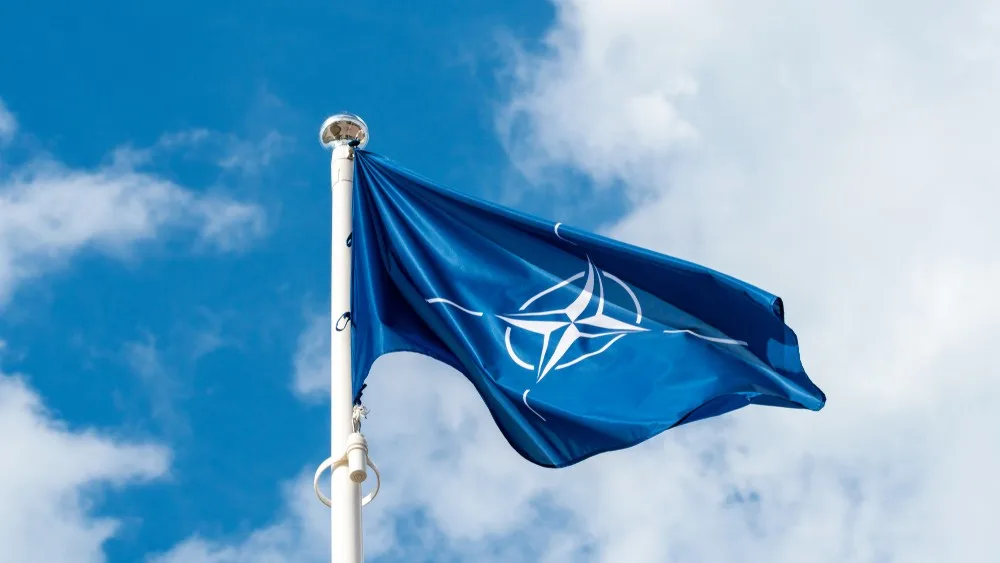
The recent NATO summit culminated in a reaffirmation of collective support for Ukraine, with members pledging significant military assistance and deepening cooperation, despite underlying strains within the alliance. Leaders endorsed a military support package exceeding €70 billion, including plans to expand capabilities such as producing Patriot missiles in Ukraine.
Although the summit began under a shadow of tension sparked by resumed U.S. strikes on Iran and criticism from President Donald Trump, the atmosphere shifted toward consensus once meetings commenced. Trump had openly challenged European allies over their defense spending shortfalls and criticized their reluctance to allow U.S. aircraft to operate from continental bases for strikes against Iran. He also targeted specific countries like Spain over their defense contributions and vocal opposition to the conflict, and even revived his earlier interest in Greenland's strategic position.

Despite these contentious moments, NATO leaders presented a united front by the summit’s conclusion. The official declaration reiterated a firm stance that Iran must never acquire nuclear weapons and demanded Iran respect freedom of navigation in the Strait of Hormuz. NATO Secretary-General Mark Rutte highlighted the increased European defense efforts, noting a collective spending rise of $139 billion among non-U.S. allies in the past year, a point credited partially to U.S. pressure.
Operationally, the alliance continues to support U.S. activity in the region, with over 5,000 sorties launched from European airbases in recent months, reflecting tangible cooperation despite political disagreements. However, debate lingers over maintaining momentum, indicated by ongoing discussions about the timing and frequency of future NATO summits, particularly regarding the next event in Albania.
The summit’s outcomes underline NATO’s effort to balance internal disagreements and external security threats while bolstering aid to Ukraine, signaling the alliance’s prioritization of collective defense and geopolitical stability.