

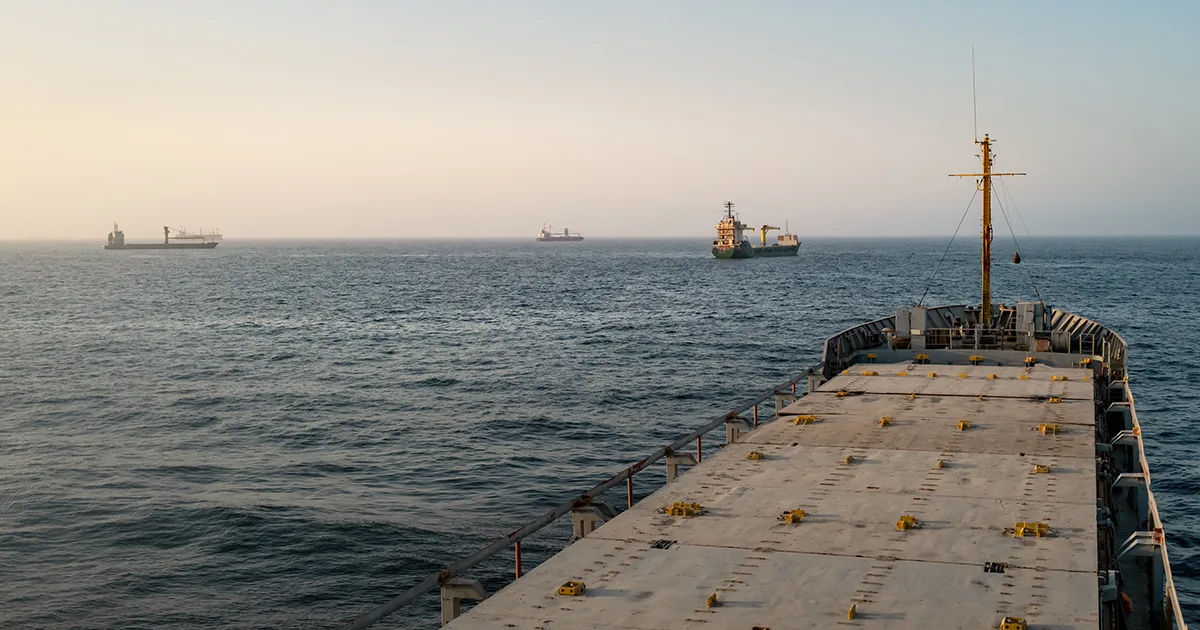
Maritime activity in the Strait of Hormuz—a vital passage for global oil shipments—nearly ground to a halt following consecutive U.S. military strikes on Iranian targets. This escalation shattered a tentative ceasefire, causing shipping volumes to decline sharply and intensifying concerns over energy security worldwide.
On the day of the strikes, vessel movements fell to about 20 crossings, well below the recent average of 34 per day noted since an interim peace agreement took effect. Ship-tracking data revealed that most commercial traffic shifted to routes closer to Iranian-controlled waters in the north of the strait, while the U.S.-favored Omani corridor remained almost deserted.

Heightening tension, several large ships reportedly transited the strait with their transponders turned off—a tactic known as “dark transit” to avoid detection amid heightened risk of attacks. Notably, an India-flagged supertanker and a bulk carrier linked to the United Arab Emirates resurfaced in the Gulf of Oman after apparently completing covert crossings during the recent conflict surge. This practice has grown more common as hostilities and electronic interference escalate.
The recent spike in attacks on oil and gas tankers, including at least three major incidents in the past week, has intensified fears of further disruption to the flow of petroleum through this chokepoint. As a result, many ship operators have altered their routes or used electronic countermeasures to reduce vulnerability.
According to ship-tracking services, the volume of daily transits through the Strait plummeted from a peak of 59 crossings earlier this summer to one of the lowest levels recorded since the fragile truce was announced. The latest data confirms a near shutdown in the southern corridor, with no traceable commercial vessel movements documented during heightened hostilities.
The Strait of Hormuz remains one of the most critical arteries for global energy transport, with roughly one-fifth of the world’s oil passing through on a daily basis. Any sustained disruption threatens to reverberate through global markets, affecting supply chains well beyond the immediate region.