

The NATO secretary-general has spent considerable effort ensuring the United States remains committed to the alliance amid shifting expectations set by former U.S. President Donald Trump. While earlier disputes focused on how much member nations invest in defense, the new tension centers on loyalty and active participation, complicating the alliance's cohesion ahead of the summit in Turkey.
Last year’s NATO summit saw member countries pledge to increase defense spending to match U.S. levels relative to GDP, a move addressing Trump’s previous criticism over burden-sharing. Despite this, tensions persist as Trump expressed frustration over some allies’ reluctance to support U.S.-led initiatives, such as the military operation against Iran, which was launched without NATO consultation. Trump emphasized loyalty to the alliance as more crucial than financial contributions, signaling a departure from traditional NATO demands.

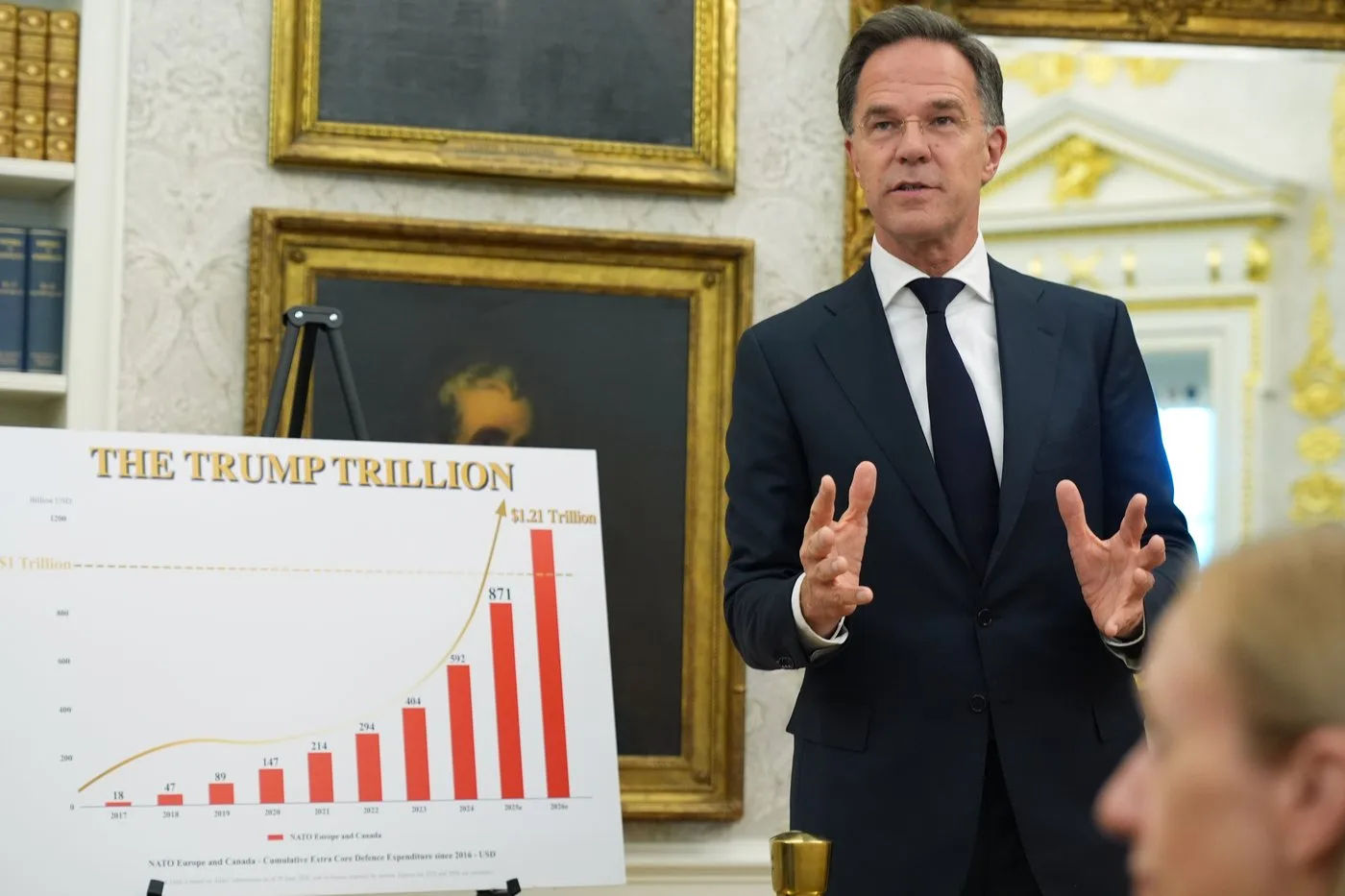
Efforts by the NATO secretary-general to reassure the United States included presenting detailed data on European and Canadian defense spending, highlighting a substantial investment since 2017—referred to as the “Trump Trillion.” This approach sought to underscore the benefits for the U.S. economy and the alliance’s military readiness. However, Trump remained unimpressed, underscoring a persistent gap between the alliance’s diplomatic efforts and U.S. expectations.
Trump has also appeared reluctant to attend the summit unless influenced by Turkish President Recep Tayyip Erdogan, whom he appears to respect more than many other world leaders. This dynamic places additional pressure on Erdogan and the NATO leadership to manage divergent agendas and maintain summit cohesion.
The secretary-general’s role traditionally involves fostering consensus among NATO’s 32 members, each requiring unanimous agreement on decisions. However, during Trump’s tenure, the challenge has been particularly acute—requiring extensive diplomatic effort to keep the U.S. from withdrawing troops or abandoning key alliance commitments. Trump’s unpredictability has included threats to exit NATO, proposals to control allied territories such as Greenland, and questioning defense guarantees depending on members’ spending levels.
The diplomatic balancing act inside NATO reflects broader concerns about European security, especially in light of potential threats from Russia. While allies have met spending targets, the conversion of funds into effective military capabilities remains a key issue. Efforts to maintain unity now depend not only on financial contributions but on strengthening strategic trust and operational cooperation.