

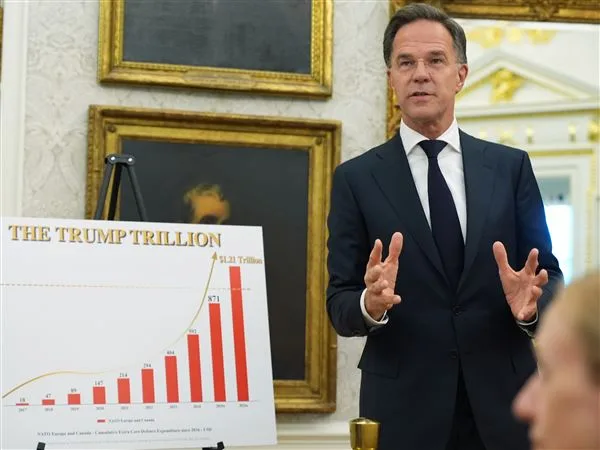
The NATO summit unveiled key tensions as the alliance’s chief confronted demands from the United States for more than just equitable defense spending. The U.S. delegation, led by President Trump, stressed the importance of loyalty among member states, signaling a shift from purely financial contributions to an emphasis on political allegiance.
This move challenges the long-standing framework within NATO, which has traditionally focused on shared financial and operational responsibilities. Trump’s insistence places additional diplomatic pressure on leaders to not only commit resources but also align more closely with U.S. strategic interests, complicating the consensus-driven nature of the alliance.

Throughout the summit, debates centered on how to balance the burden-sharing demands with the call for political unity, as some member countries expressed concern over the potential erosion of NATO’s cooperative decision-making model. The summit discussions also reaffirmed commitments to collective defense while highlighting growing divergences in priorities among members.