

Pakistan firmly denied accusations that it harbored Iranian military aircraft to protect them from possible US strikes, amid rising doubts about the fragile ceasefire it helped facilitate between Washington and Tehran. The Foreign Ministry dismissed reports suggesting Iranian planes were shielded at a Pakistani airbase, emphasizing these claims were misleading and sensationalized.
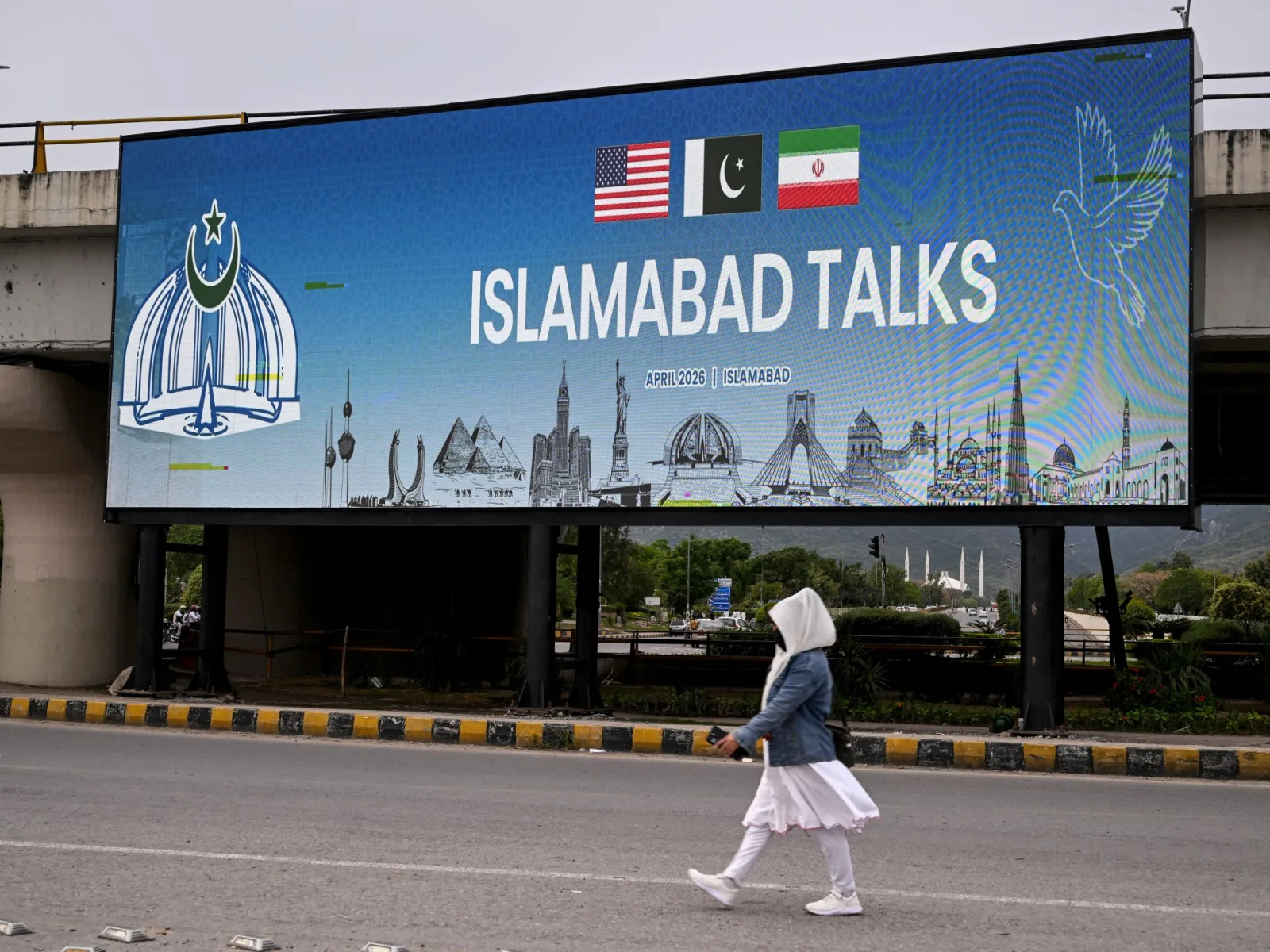
The controversy followed a report indicating that several Iranian military aircraft, including an RC-130 reconnaissance plane, had been stationed at Pakistan Air Force Base Nur Khan as part of diplomatic activity. The planes’ presence came shortly after the ceasefire declaration and coincided with talks held in Islamabad between senior US and Iranian officials. Pakistan stressed the base was used by both US and Iranian aircraft for diplomatic purposes, rejecting any suggestion these deployments related to military contingencies.

Despite Pakistan’s clarification, skepticism in Washington remains high. The US president described the ceasefire as being on “massive life support” and dismissed Iran’s recent peace proposal as worthless. Some US administration officials have accused Pakistan of providing an overly optimistic interpretation of Iran’s position, raising doubts about Islamabad’s impartiality. Officials within Pakistan counter that their role has been to maintain strict neutrality, focusing on resolving the protracted conflict rather than pursuing political gains or publicity.
Pakistan’s Foreign Ministry underscored that any significant foreign military activity at the Nur Khan base would be difficult to conceal, reinforcing its stance that the recent allegations lack factual basis. The government portrayed itself as a constructive and responsible mediator throughout the peace process, committed to supporting dialogue without bias. However, ongoing tension between the US and Iran continues to put the ceasefire—and Pakistan’s diplomatic efforts—in jeopardy as each side expresses mistrust and frustration.