

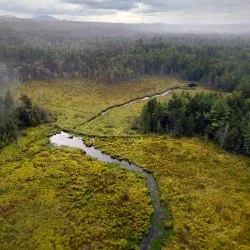
Maine environmental advocates have released a comprehensive report urging the state to convert its current voluntary climate ambitions into enforceable legal mandates within the next five years. The "Meeting the Moment" report, produced by 17 advocacy and public health organizations, outlines concrete steps for Maine to strengthen protections of natural resources amid rising energy costs and worsening climate impacts.
Among the report’s key proposals is a Wabanaki-led process to return ancestral lands and fully restore self-governance to the Mi’kmaq Nation, the Houlton Band of Maliseet Indians, the Passamaquoddy Tribe, and the Penobscot Nation. Advocates emphasize that these sovereign rights must be respected to honor indigenous communities and their connection to the land.

The coalition stresses the urgency of transitioning Maine’s energy grid, calling for a legal requirement to achieve 100% clean energy by 2040. They also demand regulatory measures to limit utility profit margins to keep electricity affordable for residents facing high energy bills. This approach contrasts with existing policies that rely largely on voluntary incentives, such as rebates for heat pumps and electric vehicles.
The report proposes a strict ban on all synthetic pesticides to protect agricultural workers and public health. Advocates highlight concerns about exposure to harmful chemicals in water, food, and air, especially for children. Complementing this, the coalition seeks to legally conserve 30% of Maine’s natural and working lands by 2030, an established climate goal currently hindered by insufficient and non-permanent funding.
To coordinate these expansive strategies, "Meeting the Moment" calls for the creation of a Cabinet-level Department of Conservation, which would centralize land stewardship efforts statewide. Additionally, the report recommends establishing a Youth Advisory Council to incorporate young Mainers’ voices in policy decisions, stressing the importance of intergenerational equity in shaping the state’s environmental future.
The plan presents a clear demand for structural reforms beyond the state’s official climate strategy, "Maine Won’t Wait," which focuses more on voluntary progress. While both acknowledge partnerships with Wabanaki nations, the new recommendations press for full implementation of federal task force findings to revise the Maine Indian Claims Settlement Implementing Act, ensuring indigenous rights are legally upheld.
- Return of ancestral lands to the Wabanaki tribes with restored self-governance.
- Mandated 100% clean energy by 2040 and regulated utility profit margins.
- Total phase-out of synthetic pesticides to protect health and agriculture.
- Legal protection for conserving 30% of natural and working lands by 2030.
- Creation of a Department of Conservation and a Youth Advisory Council.