

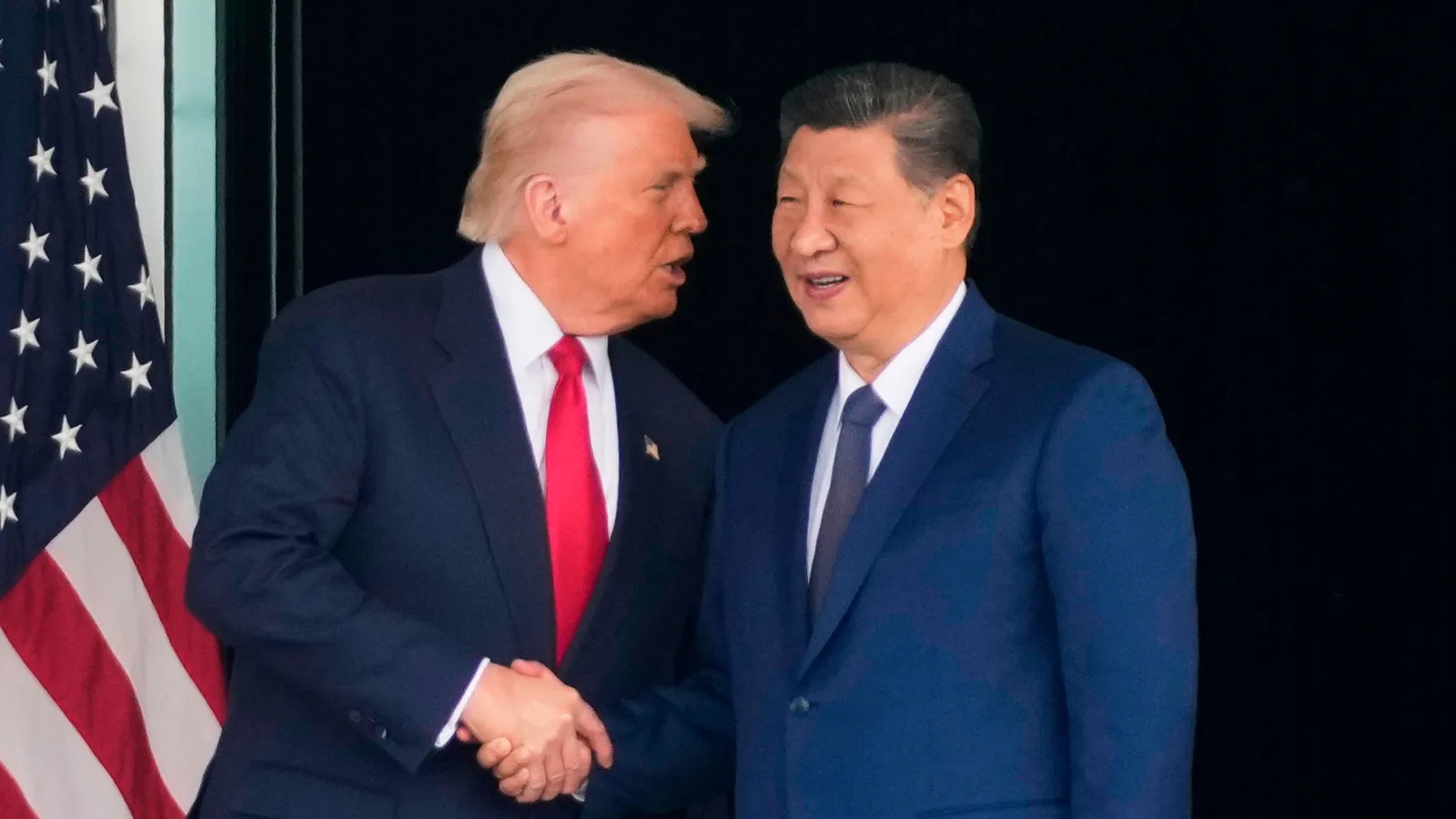
As President Donald Trump prepares for a summit with Chinese President Xi Jinping in Beijing, both nations are navigating a delicate balance. Despite deep divisions on the ongoing Iran conflict, U.S. and Chinese officials appear determined not to let the dispute dominate or damage their broader relationship, particularly on trade and cooperation issues.
The Trump administration has repeatedly urged China to use its influence as the largest buyer of Iranian oil to pressure Tehran into accepting U.S. conditions to end the war and reopen the strategically vital Strait of Hormuz. While China helped support ceasefire talks by encouraging Iran to reengage, Washington remains skeptical about Beijing’s willingness to shift its stance significantly.

In the days leading up to the summit, the U.S. intensified pressure on China by imposing sanctions on Chinese firms linked to aiding Iran’s military operations and oil purchases. This action followed calls by top officials for Beijing to help reopen the Strait of Hormuz, a crucial chokepoint through which a significant portion of the world’s crude oil previously flowed.
China publicly advocates for an end to the conflict and has worked quietly with regional players like Pakistan to broker peace. However, analysts note Beijing’s cautious approach, avoiding involvement in conflicts it does not see as its own problem. The Chinese government also reacted to U.S. sanctions by labeling them illegal and activating a rarely used law that prohibits Chinese entities from complying with such foreign measures.
Despite the strained atmosphere, both sides signal that resolving contentious issues related to trade, fentanyl precursor exports, and other areas of cooperation remains a priority. U.S. Trade Representative Jamieson Greer emphasized efforts to prevent the Iran dispute from overshadowing the summit’s potential outcomes.
The summit thus unfolds with low expectations that Trump can secure Beijing’s commitment to alter its Iran policy, but with a shared interest in advancing other elements of the U.S.-China relationship.