

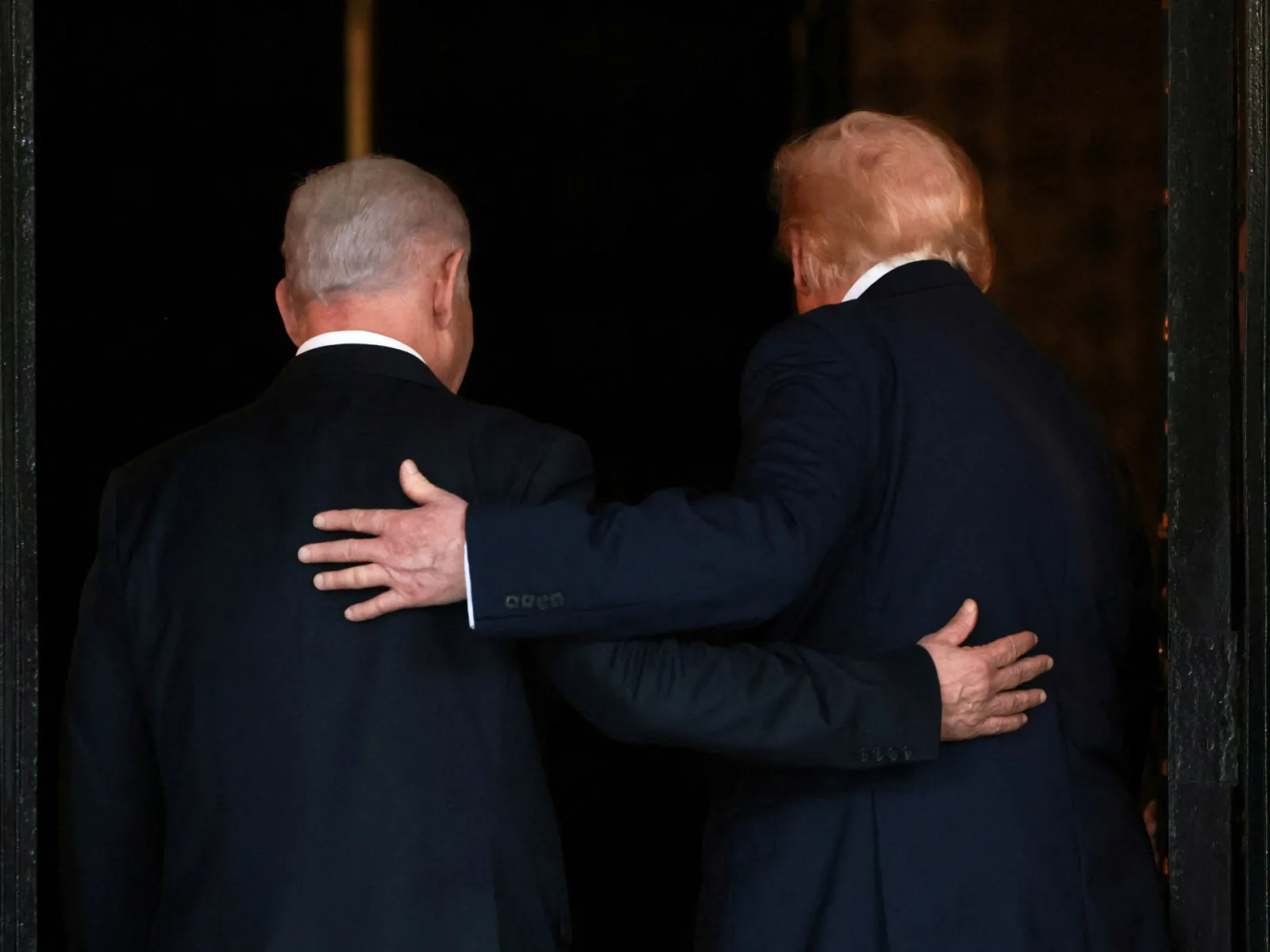
The longstanding US-Israel alliance faces mounting strain as US leadership pushes to negotiate peace with Iran, demanding an end to Israel’s military actions in southern Lebanon — a position sharply at odds with Israel’s current government stance. This diplomatic tug-of-war places Israeli Prime Minister Benjamin Netanyahu in a precarious position amid ongoing corruption allegations and an upcoming general election that could unseat him.
Diplomatic sources indicate that Washington’s growing impatience stems from efforts to secure a broader regional peace deal involving Iran and Lebanon. Iran insists on ending Israeli military operations in southern Lebanon as a precondition for negotiations, a demand that challenges Israel’s security priorities. Reports suggest that a leaked phone conversation exposed US President Donald Trump’s frustration with Netanyahu’s refusal to halt attacks, escalating tensions between the two allies.

The leaked call reportedly featured Trump criticizing Netanyahu's leadership and accusing him of jeopardizing US interests, while Netanyahu faces unprecedented pressure domestically. Trump later publicly acknowledged the strained dynamic by stating that Netanyahu “knows who the boss is,” signaling a shift in the traditionally supportive tone between the two leaders.
Meanwhile, voices within the US political landscape have begun to question unwavering support for Israel. Polls reveal growing skepticism among segments of the American public and within the right-wing ‘Make America Great Again’ (MAGA) movement, with prominent figures like Marjorie Taylor Greene and Tucker Carlson openly criticizing US backing of Israel. This internal division hints at changing attitudes that may influence future US foreign policy decisions.
US military aid remains a critical factor in the partnership, with officials warning Israeli leaders against undermining Washington’s negotiating position. More than half of Israel’s sophisticated defensive capabilities rely on American technology and funding, making the alliance strategically significant but increasingly complex amid diverging policy goals.