

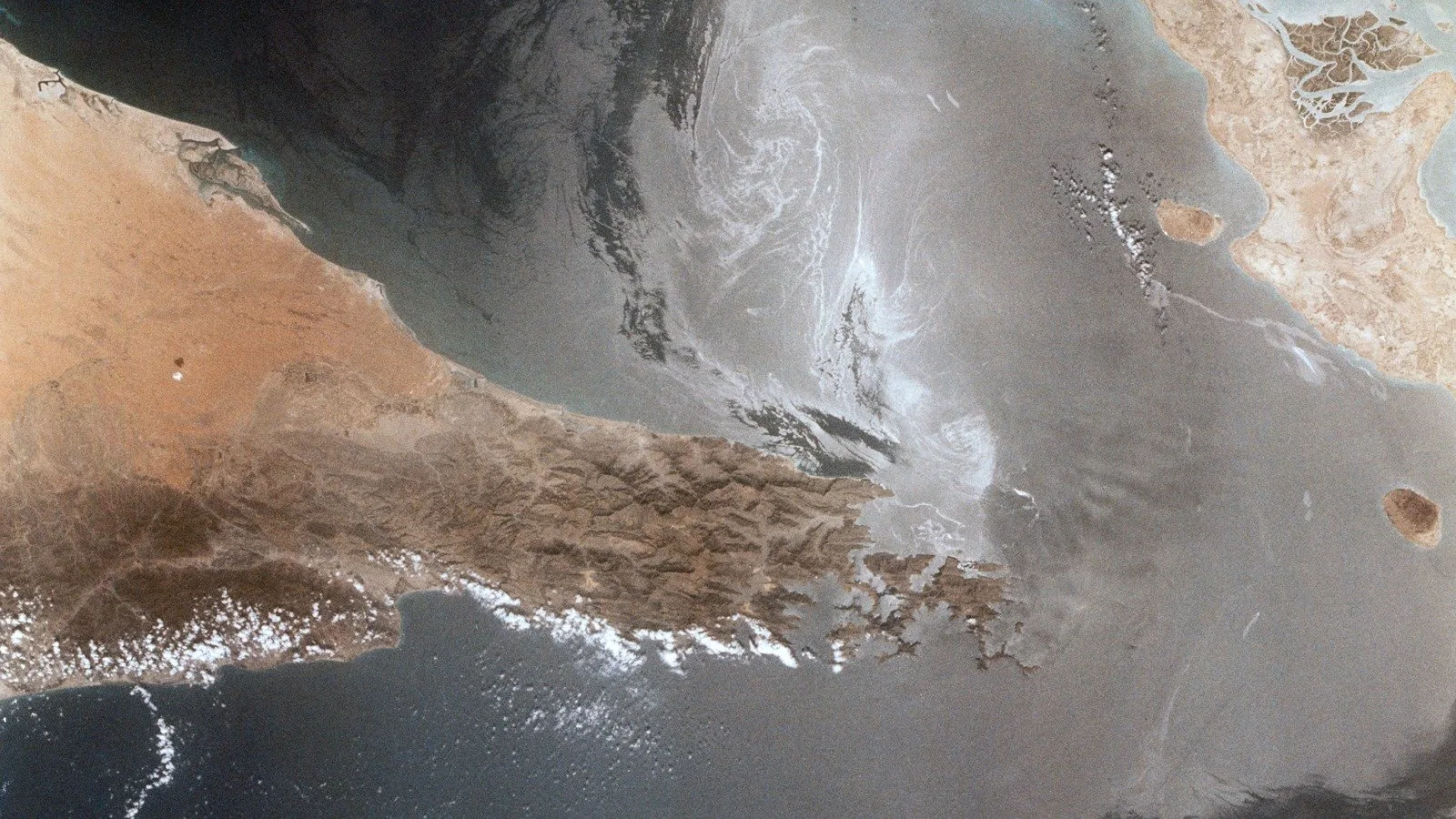
Secretary of State Marco Rubio issued a strong rejection of Iran’s plan to impose tolls on vessels traversing the Strait of Hormuz, a critical maritime chokepoint for global oil supplies. Speaking after regional meetings in Bahrain, Rubio emphasized that the United States and Gulf partners unanimously oppose any attempt by Iran to monetize passage through these international waters.
Tehran’s proposal involves charging shipping companies around $40 billion annually through fees labeled as tolls, security charges, or environmental payments. Rubio dismissed these distinctions, warning that regardless of the label, such demands violate the principle of free passage guaranteed in existing agreements. He highlighted that Iran's plan could undermine a temporary memorandum of understanding which currently allows toll-free passage while broader negotiations continue.

Rubio underscored the severe risks tied to enforcing this toll system. Unlike typical road tolls where fees can be ignored with minimal consequences, he cautioned that refusal to pay in the Strait of Hormuz could provoke military retaliation against noncompliant ships, including being fired upon or sunk. Such escalation would directly impact the Gulf states and disrupt international energy markets, which depend heavily on free navigation through the strait.
The Secretary of State stressed that the United States remains committed to diplomatic efforts surrounding Iran but will firmly uphold the principle that the Strait of Hormuz remain open and toll-free. Gulf nations share Washington’s stance, recognizing the threat a unilateral Iranian toll could pose to regional stability and commerce. Rubio’s remarks form part of a broader U.S. strategy linking shipping access, nuclear negotiations, and regional security in ongoing talks with Iran.