

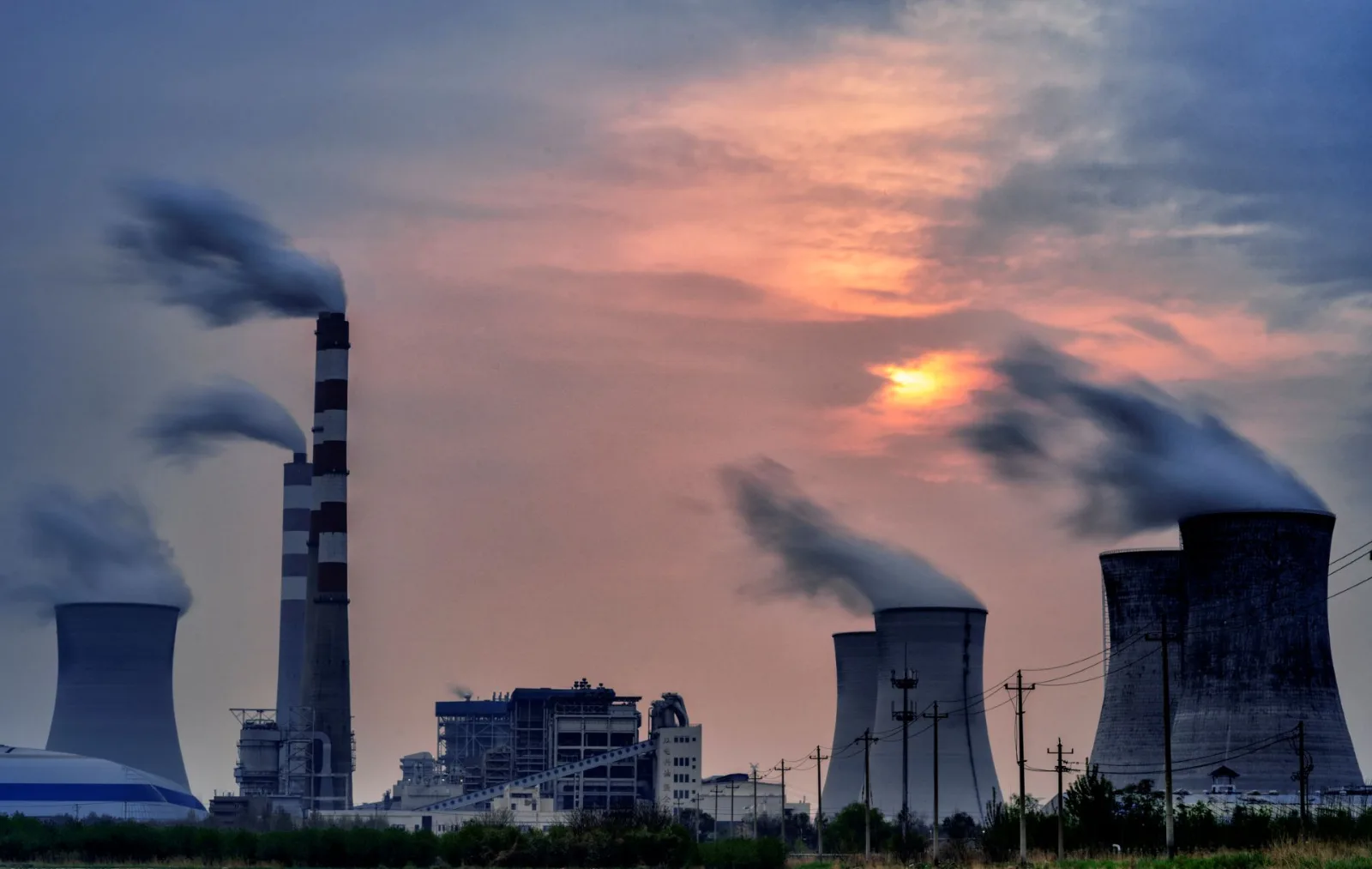
China’s surge in wind and solar energy capacity did not translate into proportional clean power generation in early 2026, largely due to entrenched coal contracts and rigid grid management. A recent analysis revealed that a vast amount of potential renewable electricity—estimated at roughly 170 terawatt-hours—was lost through curtailment, exceeding the entire electricity production of countries like France during the same period.
Although wind capacity grew by 23% and solar capacity rose by 33% year-over-year, the power grid failed to integrate much of this added output. Instead, coal- and gas-fired plants increased their generation by 4%, pushing power-sector carbon emissions up by the same margin. Without the rise in curtailment, emissions from the sector would have remained unchanged despite the capacity expansion in renewables.

The reliance on coal and natural gas plants not only drives higher carbon dioxide emissions but also perpetuates air and water pollution linked to serious health problems such as asthma, heart disease, and cancer. Furthermore, these fossil fuel sources keep energy costs unpredictable, burdening households that could benefit from the more abundant and cost-effective wind and solar energy. Market and regulatory barriers, including legacy contracts and industry lobbying, slow the uptake of cleaner energy sources, even as global oil and gas prices rise due to geopolitical tensions.
Recognizing these challenges, Chinese policymakers have identified curtailment as a critical bottleneck in the country’s energy transition. The government is targeting the creation of a "new type power system" by 2027, designed to accommodate higher volumes of variable renewable energy more effectively. Regulatory efforts also emphasize enhancing grid flexibility and restricting new coal power projects in regions with sufficient reliable capacity.
Experts now stress that the focus must extend beyond expanding renewable infrastructure to improving grid operations and market mechanisms so that clean electricity can be delivered when demand is highest. China’s approach in the coming years will be pivotal in determining if the recent fossil fuel supply pressures entrench coal dependency or help accelerate a shift to a more flexible, renewable-based power system with fair electricity market participation.