

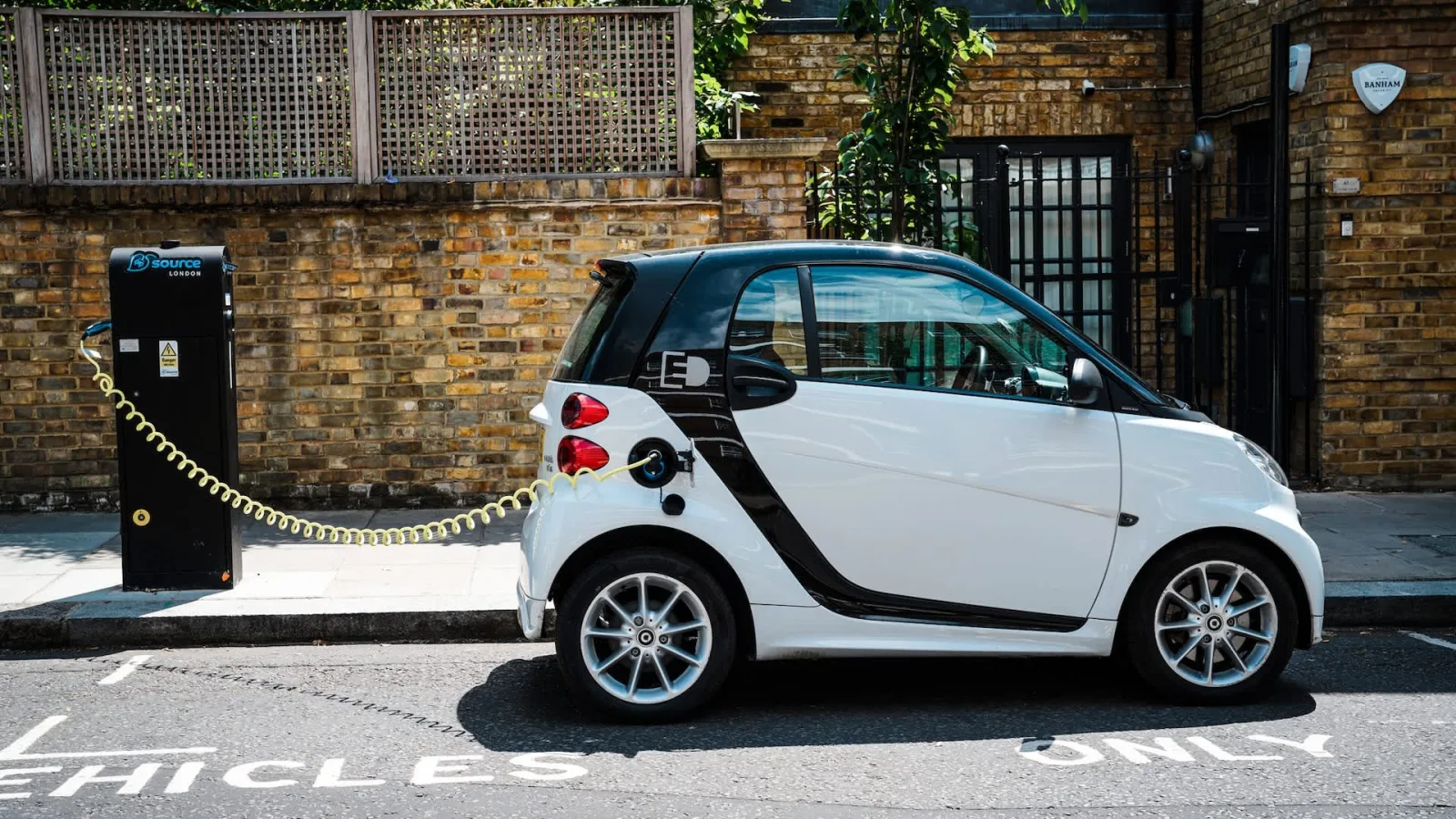
European electric vehicle manufacturers are increasingly producing smaller cars to better navigate the narrow streets common in many cities across the continent. Advances in battery technology now allow these compact EVs to deliver ranges that meet everyday needs without requiring bulky battery packs, a previous barrier to downsizing.
This shift toward smaller models arises from practical urban challenges and environmental considerations. Larger EVs, often heavier due to big batteries, pose difficulties for parking and maneuverability, strain road infrastructure, and demand more raw materials for production. Compact EVs mitigate these issues while offering more affordable entry points for consumers interested in switching to electric driving.

One prominent example is Renault’s introduction of the Twingo E-Tech, a small electric car targeting city drivers. Priced in the range of $22,000 USD, the Twingo combines compact size with improved range and urban-friendly features, aiming to boost the popularity of small EVs in Europe. The company plans to launch the model in multiple European markets, including the UK.
Smaller electric cars offer additional benefits beyond size and cost. By requiring less energy to charge and move, they can be more efficient and easier to maintain than larger EVs or traditional combustion vehicles, which typically incur higher fuel and upkeep expenses. This affordability and convenience make compact EVs a practical choice for many households considering electrification.
Despite these strengths, some EV buyers express reservations. Battery costs remain significantly higher in Europe compared to other regions such as China, contributing to dependencies on foreign suppliers. Some consumers find current compact EV offerings uninspiring or lacking features, while others seek improvements in range and charging capabilities to address needs for longer trips. Cars like the Volkswagen ID.3 and Cupra Born, equipped with larger batteries, represent attempts to bridge this gap.
As technology continues evolving, European EV manufacturers face the challenge of balancing size, cost, range, and urban usability—to make electric cars a more widespread and practical option for city dwellers and beyond.