

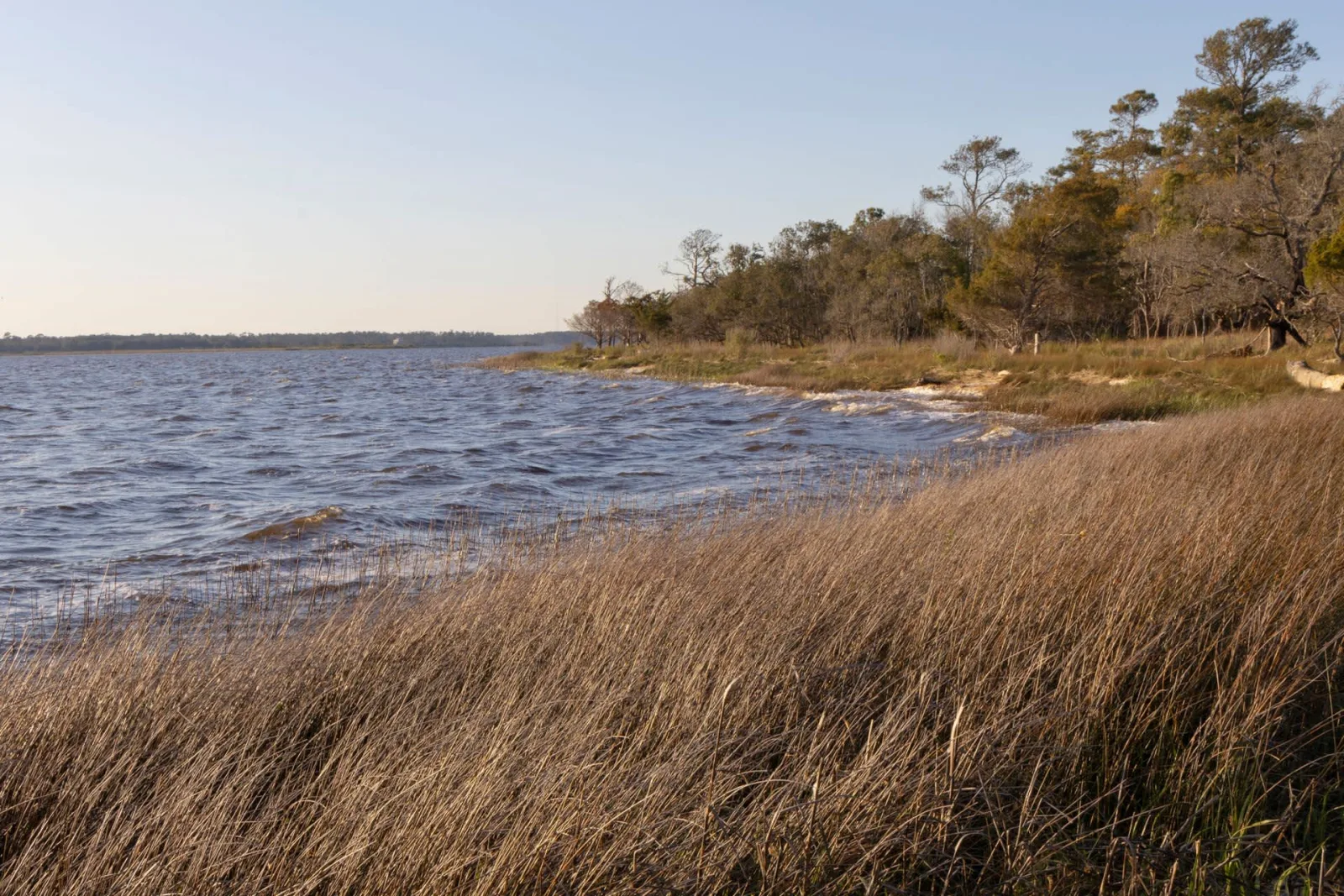
Residents along North Carolina’s Cape Fear River face continued exposure to PFAS contamination despite a recent $450 million federal settlement with Chemours, the chemical company responsible for polluting several states. While the Environmental Protection Agency framed the deal as a significant enforcement action against PFAS pollution, local communities and leaders criticize it for offering minimal direct relief or cleanup in their region.
Though the settlement spans sites in West Virginia, New Jersey, and North Carolina, only a fraction of the funds is assigned as penalties for contamination, mainly benefiting West Virginia and federal entities. Much of the settlement's value is tied to pollution-control projects capped in spending—programs that do not guarantee concrete remediation. Notably, North Carolina appears excluded from mandatory water filtration or clean drinking water provisions, unlike West Virginia and New Jersey where such measures could be triggered by PFAS testing near Chemours’ sites.

This disparity prompted sharp criticism from North Carolina officials. The state’s Attorney General emphasized that the settlement fails to hold Chemours accountable for cleaning the water they contaminated. Local advocacy groups also highlighted a lack of unified governmental effort to demand higher responsibility from the company.
PFAS chemicals, often called “forever chemicals,” persist indefinitely in the environment and are linked to serious health risks including cancer and liver damage. For years, the Cape Fear region has contended with contamination from Chemours’ Fayetteville plant. Public utilities in the area have spent extensive sums treating contaminated water—money ultimately sourced from residents' water bills.
The Cape Fear Public Utility Authority alone has invested tens of millions of dollars on filtration infrastructure to combat PFAS, a financial burden reflected now in rising water rates expected to increase further in the coming year. Residents, therefore, bear the cost of pollution mitigation, while the federal settlement offers no direct funding for local cleanup programs.
Concerns also extend to oversight and transparency, as the settlement authorizes a third-party contractor to monitor cleanup efforts in North Carolina—a contractor chosen by Chemours but approved by the EPA. This arrangement has fueled unease among community advocates wary of potential conflicts of interest and insufficient enforcement.
The settlement’s design contrasts sharply with protections offered in other states affected by Chemours’ pollution, underscoring ongoing frustrations that North Carolina’s Cape Fear River communities remain sidelined in one of the region’s most critical environmental health challenges.