

Ghana is on the verge of issuing forest carbon credits as part of its pioneering Jurisdictional Reduced Emissions from Deforestation and Degradation (J-REDD+) programme, a move that marks a significant step toward large-scale climate action rooted in forest conservation and sustainable livelihoods. This initiative shifts from project-level activities to encompassing entire ecological zones, aiming to integrate climate finance directly with agriculture and rural development to protect forests.
At a high-level climate event in London, Ghana’s Deputy Minister for Lands and Natural Resources highlighted the urgency of establishing reliable global frameworks for jurisdictional forest carbon credits. The J-REDD+ programme is designed to attract investment into quality forest and land-use mitigation projects that generate tangible climate benefits while supporting communities dependent on natural resources.

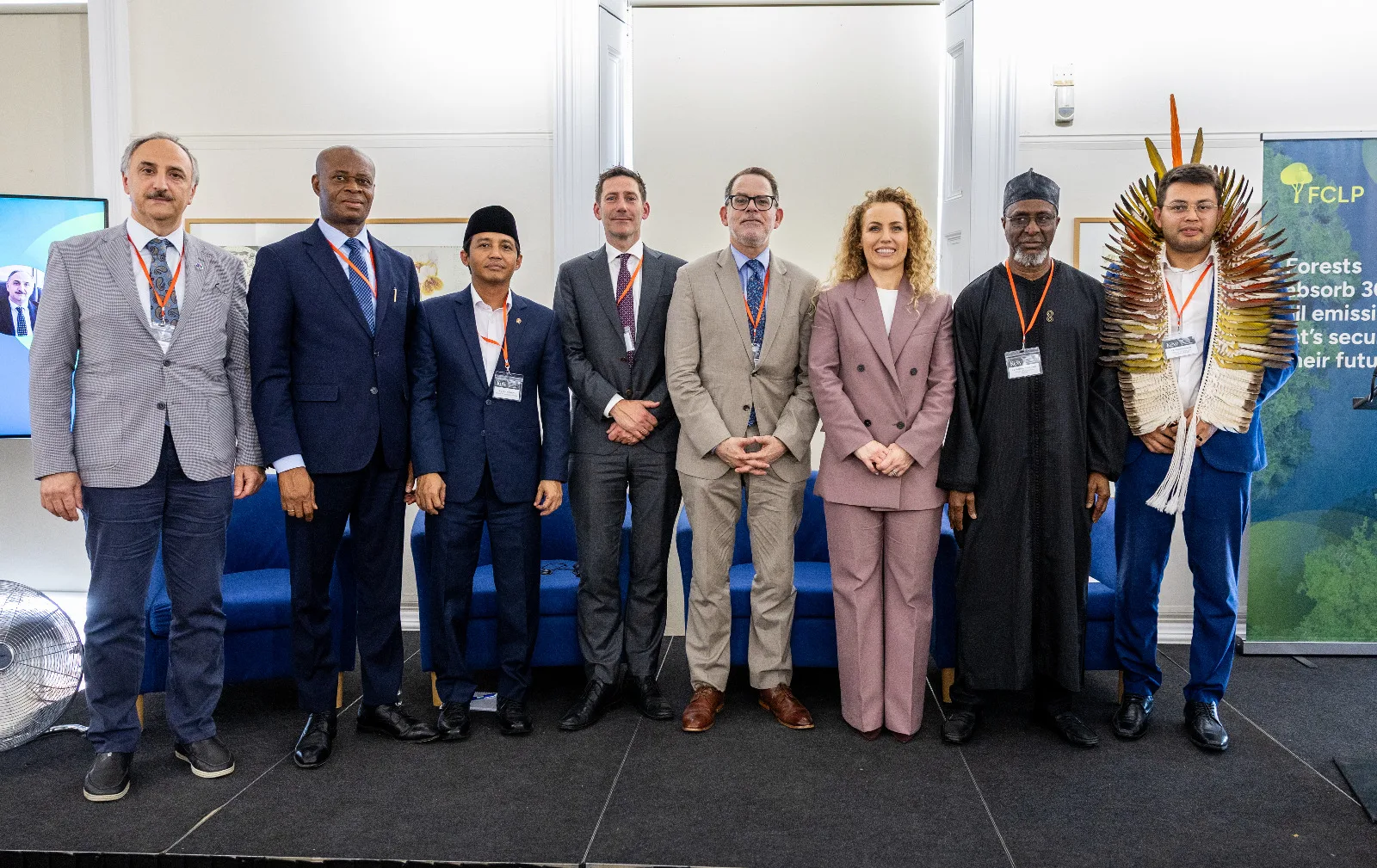
The London gathering, titled “From Glasgow to Addis Ababa: FCLP and COP Presidencies Building Momentum on Forests from COP30 to COP31,” convened ministers and senior officials from countries including Nigeria and Indonesia to reinforce the global agenda for forest conservation. Discussions covered recent national actions linked to sustainable bioeconomy development, land tenure security, and the expansion of high-integrity carbon credit mechanisms.
In parallel, Nigeria emphasized its engagement in the Great Green Wall initiative and the rollout of a National Clean Cooking Policy, underscoring a comprehensive approach to forest and climate resilience. Indonesia’s Minister of Forestry stressed protecting critical tropical peatlands and mangroves, highlighting these ecosystems as effective nature-based climate solutions. Indonesia hosts nearly a quarter of the world’s mangrove areas, making its conservation efforts particularly impactful.
Additional commitments from Peru and Brazil focused on securing land tenure rights, while Norway announced substantial financial pledges to support forest preservation and sustainable land use globally. These contributions reflect growing international momentum in forest finance, aligning political leadership and practical implementation ahead of upcoming climate negotiations at COP30 in Brazil and COP31 in Türkiye.
Ghana’s J-REDD+ approach exemplifies the transition toward jurisdictional carbon crediting frameworks that prioritize whole landscapes instead of isolated projects. This model connects carbon markets with on-the-ground actions that enhance ecosystem protection and rural development simultaneously, reinforcing forests’ central role in meeting climate goals by 2030.